
The Science of Sweetness
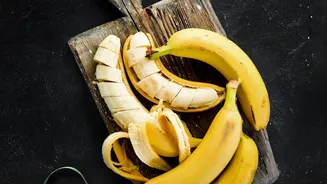
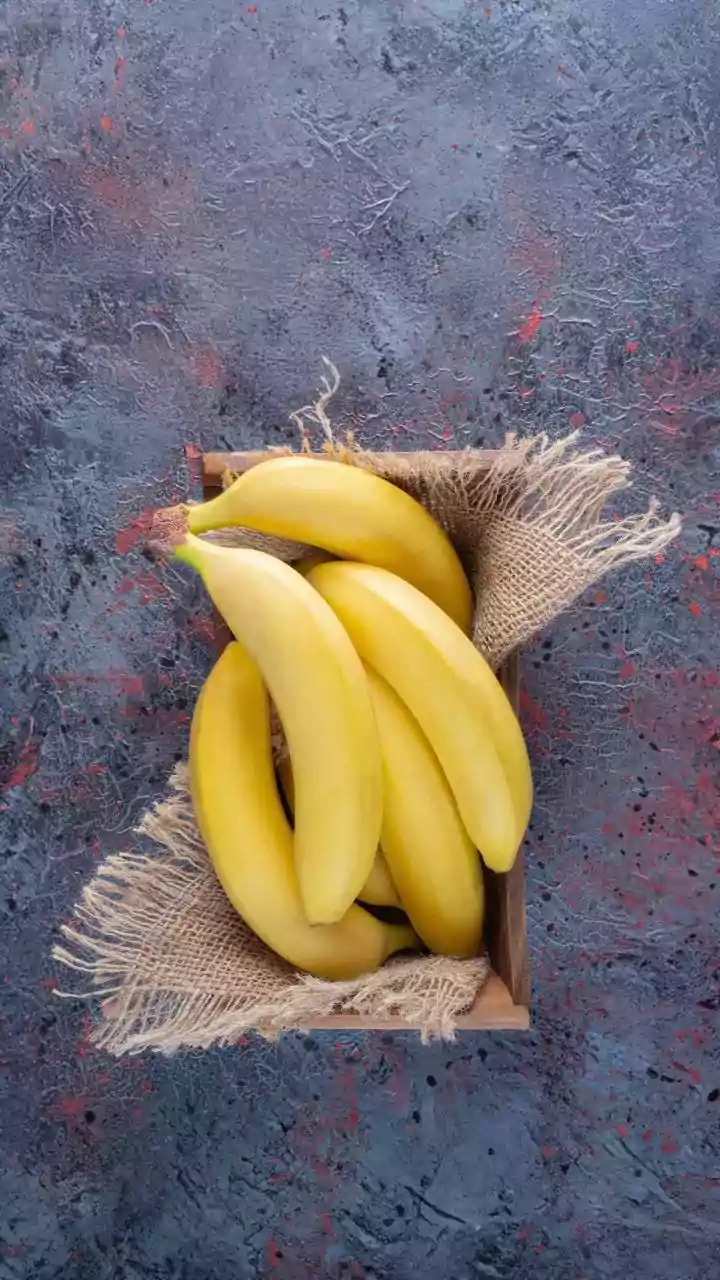
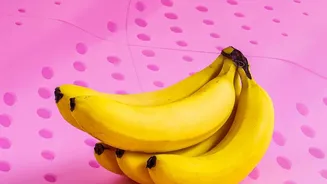
A banana’s journey from firm and starchy to soft and sweet is a carefully orchestrated process. When a banana is green, its carbohydrate content is mostly starch. As it ripens, natural enzymes within the fruit begin to break down this complex starch into
simpler sugars, primarily sucrose. This is what gives a ripe banana its characteristic sweetness and soft texture. This conversion process is driven by a natural plant hormone that signals the fruit it's time to mature, making it more appealing to animals that would help disperse its seeds.
Meet Ethylene: The Ripening Hormone
The key player in this transformation is a simple hydrocarbon gas called ethylene. It’s an odorless, colorless gas that plants produce naturally to regulate their growth and, most importantly for our purposes, to trigger ripening. Fruits that continue to ripen after being picked, known as climacteric fruits, produce a burst of ethylene as they mature. This gas then acts as a signal, both to the fruit itself and to its neighbors, accelerating the process of softening, color change, and sugar development.
The Apple's Secret Influence
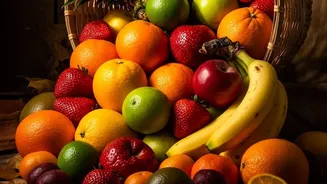
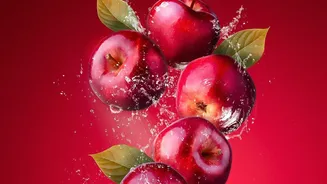
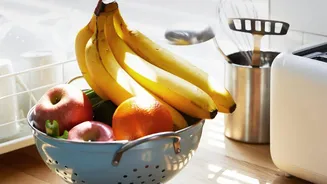
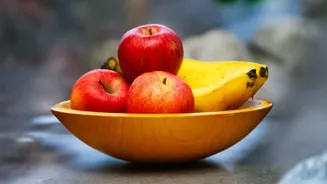
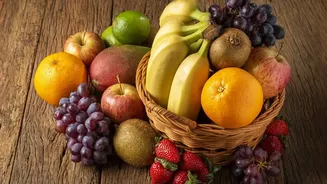
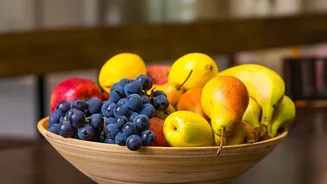
So, where do apples fit into this? Apples are one of the most prolific producers of ethylene gas. When you place an apple in a fruit bowl, it constantly releases this ripening agent into the air around it. Bananas are extremely sensitive to ethylene. When a banana is exposed to the ethylene emitted by a nearby apple, its own ripening process is kicked into high gear. The apple essentially tells the banana to start converting its starch to sugar at a much faster rate.
How to Use This to Your Advantage
This isn't a flaw; it's a feature you can use. If you have rock-hard avocados, green bananas, or firm peaches you want to enjoy sooner, an apple can be your best friend. To speed up ripening, simply place the under-ripe fruit in a paper bag with an apple or a ripe banana. The bag traps the ethylene gas, concentrating its effects and ripening the fruit in a day or two, much faster than it would on its own. This technique works for many fruits, including pears, plums, and nectarines.
Slowing Things Down for Longevity
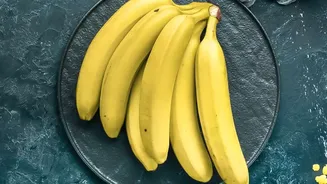
Conversely, if you want to keep your bananas perfectly yellow for as long as possible, the key is separation. Store your bananas away from high ethylene producers like apples, pears, and even ripe tomatoes. Keeping them on a separate hook or in a different bowl can make a significant difference. Some people even wrap the stems of the banana bunch in plastic wrap; this is where much of the ethylene is released, so containing it can slow down the ripening of the entire bunch.
Beyond Apples and Bananas
This chemical conversation happens all over your kitchen. High ethylene-producing fruits include avocados, cantaloupes, peaches, and pears. Produce that is highly sensitive to this gas includes broccoli, carrots, leafy greens, and cucumbers, which can yellow, become bitter, or wilt when stored near ethylene producers. By understanding which fruits and vegetables produce ethylene and which are sensitive to it, you can store your produce more intelligently, reducing waste and ensuring everything stays fresh for as long as possible.