



That pleasant, tangy flavour of fresh curd is a beloved taste in countless Indian homes. But have you ever wondered where that distinct sourness comes from? It’s not magic, but a fascinating microscopic process happening right in your kitchen bowl.
The Microscopic Workforce
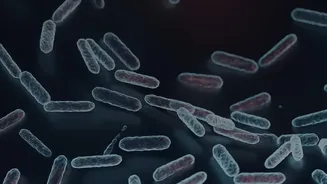
The
journey from liquid milk to thick, tangy curd, or dahi, is a classic example of fermentation. The heroes of this story are microscopic organisms known as Lactic Acid Bacteria (LAB). When you add a small amount of starter curd (jaaman) to lukewarm milk, you are introducing millions of these beneficial bacteria, most commonly from the Lactobacillus and Streptococcus families. These bacteria are the tiny chefs that will transform the milk's character entirely. The process begins by boiling milk and letting it cool to a lukewarm temperature, typically around 37-45°C. This temperature is crucial; it's warm enough to encourage the bacteria to multiply rapidly but not so hot that it kills them.
A Sugar Called Lactose
Milk's primary component related to this transformation is a natural sugar called lactose. For the Lactic Acid Bacteria introduced by the starter, lactose is their main source of food and energy. As these bacteria begin to multiply in the warm milk, they consume the lactose to fuel their growth and reproduction. This consumption kicks off a chemical reaction that is the very heart of curd making. The more lactose the bacteria consume, the more the milk's internal chemistry begins to change, setting the stage for the development of both its new taste and texture.
The Birth of Tanginess
As the bacteria feast on lactose, they produce a byproduct: lactic acid. This is an irreversible chemical change. Initially, milk has a nearly neutral pH level, but the steady production of lactic acid makes the environment progressively more acidic. It is this very lactic acid that gives curd its signature sour or tangy taste. The degree of tanginess is directly related to how much lactic acid is produced. If you leave the curd to set for a longer period or in a warmer environment, the bacteria will continue to ferment lactose, producing more acid and resulting in a sharper, more sour flavour. This is why curd set in the summer often tastes tangier than a batch made in the winter.
From Liquid to Solid
The rising acidity does more than just create a tangy taste; it also fundamentally changes the milk's texture. Milk contains a primary protein called casein. In liquid milk, casein proteins exist as tiny, suspended particles that repel each other, which is what keeps milk fluid. However, as the lactic acid lowers the milk's pH, these casein particles lose their repelling charge and start to clump together, or coagulate. This creates a delicate, interconnected network of proteins that traps the water and fat from the milk. The result is the thick, semi-solid, gel-like structure we know as curd. The clear liquid that sometimes separates from the curd is whey, the watery part of the milk left behind after the proteins have solidified.
More Than Just a Taste
This process of fermentation doesn't just create a delicious food; it also enhances its nutritional profile. The bacteria responsible for making curd are probiotics, which are known to be beneficial for gut health and digestion. The process also increases the shelf life of the milk. While homemade curd (dahi) and commercially produced yogurt are both products of fermentation, there are slight differences. Dahi is typically made at home using a starter from a previous batch, which contains a diverse mix of natural bacteria. Commercial yogurt, on the other hand, is usually made under controlled conditions with specific, standardised bacterial strains like Lactobacillus bulgaricus and Streptococcus thermophilus to ensure a consistent product.