







The Famed Flower of the Blue Mountains
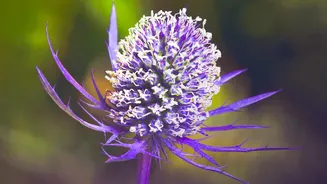
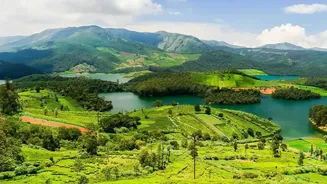
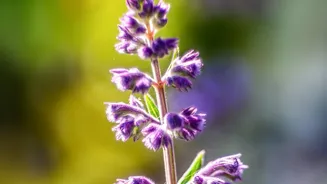
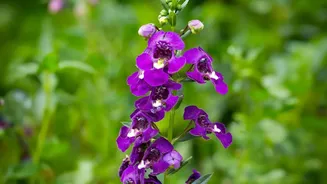
The purple flower at the heart of this story is the Neelakurinji, scientifically known as Strobilanthes kunthiana. It is so iconic that it’s believed the Nilgiri Hills, which literally mean ‘Blue Mountains,’ were named after the breathtaking spectacle
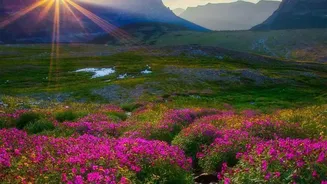
of its mass blooming. This isn't a flower you can see every year; it has a unique and synchronized flowering cycle, blooming gregariously only once every 12 years. After it flowers and its seeds are dispersed, the plant dies, and the cycle begins anew. This rare event transforms entire landscapes into a purplish-blue carpet, attracting nature enthusiasts, botanists, and tourists from around the world.
A Legally Protected Treasure
The very rarity and appeal of the Neelakurinji have also become its greatest vulnerability. To protect this natural heritage, the Ministry of Environment, Forest and Climate Change took a significant step in 2023. The Neelakurinji was officially listed under Schedule III of the Wildlife (Protection) Act, 1972, granting it the status of a protected plant. This isn't just a suggestion; it's a law with serious consequences. Anyone caught uprooting, destroying, or even possessing the plant faces a hefty fine of ₹25,000 and can be sentenced to three years in prison. This stringent measure was deemed necessary because previous warnings were often not enough to deter people from damaging the plants.
Why Such Strict Measures Are Necessary
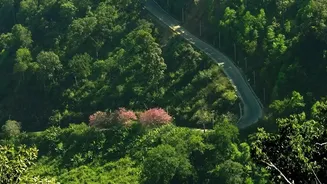
The fine might seem severe, but it reflects the severe threats the Neelakurinji faces. Unregulated tourism is a primary culprit. When large crowds flock to blooming sites, the fragile shola grassland ecosystem is damaged by trampling, and the temptation for visitors to pluck the flowers as souvenirs disrupts their natural life cycle. Plucking the flowers prevents the plant from producing seeds, which are essential for the next generation to bloom 12 years later. Beyond tourism, the plant's habitat is shrinking due to the conversion of grasslands for tea plantations, infrastructure development, and the spread of invasive species like eucalyptus. These cumulative pressures have led the International Union for Conservation of Nature (IUCN) to classify the species as 'Vulnerable'.
An Indicator of Ecological Health
Protecting the Neelakurinji is about more than just saving a pretty flower; it's about preserving an entire ecosystem. The plant is considered an indicator species for the health of the Western Ghats' unique high-altitude shola grasslands. These grasslands, stabilized by the root systems of plants like the Neelakurinji, are crucial for preventing soil erosion on steep slopes. The blooming event also supports a host of other life, providing nectar for droves of honeybees, which in turn produce a rare and prized 'Kurinjithen' or Kurinji honey. Conserving the flower means conserving the rich biodiversity that depends on its habitat.
Experiencing the Bloom Responsibly
The next major coordinated bloom is anticipated around 2030, and authorities are emphasizing the need for responsible tourism. Forest departments often issue strict guidelines during the flowering season, including prohibiting entry to certain ecologically sensitive areas, especially those known to be elephant corridors. Visitors are urged to stick to designated pathways, avoid bringing plastic into these fragile zones, and, above all, resist the urge to pluck the flowers. The goal is to allow people to witness this natural marvel without compromising its ability to survive for future generations to enjoy. The message is clear: the future of the Blue Mountains' iconic flower depends on our collective respect and restraint.