
Mount Merapi, Indonesia, 2010
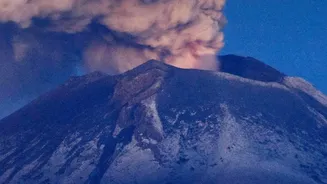
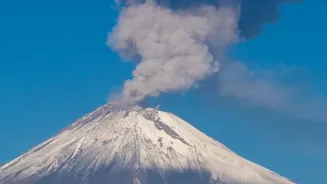
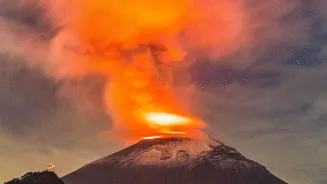
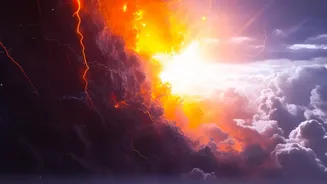
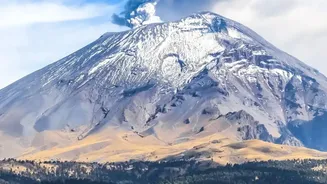
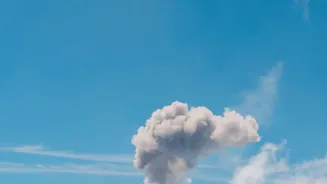
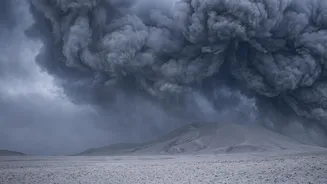
On October 26, 2010, Mount Merapi, one of Indonesia's most active and dangerous volcanoes, began a series of violent eruptions that lasted for over a month. The eruptions unleashed powerful pyroclastic flows—fast-moving currents of hot gas and volcanic
matter—that raced down its slopes at terrifying speeds. These flows, along with heavy ashfall and volcanic mudflows known as lahars, devastated nearby villages. Despite evacuation orders for hundreds of thousands of residents, the disaster claimed over 350 lives. Many of the victims were killed by the searing heat of the pyroclastic flows, which reached temperatures high enough to incinerate everything in their path. The eruption was Merapi's most powerful in over a century, displacing around 350,000 people and causing widespread disruption to agriculture and aviation across Java.
Volcán de Fuego, Guatemala, 2018
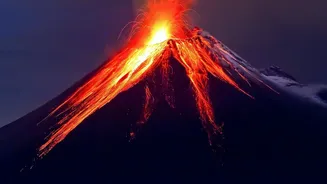
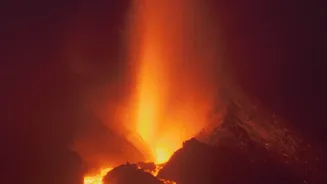
On June 3, 2018, Guatemala's "Volcano of Fire," or Volcán de Fuego, unleashed a catastrophic eruption with little warning. The event was shockingly swift and deadly, as pyroclastic flows buried several villages on the volcano's flanks, including El Rodeo and San Miguel Los Lotes. These flows, a mix of hot ash, rock, and volcanic gases, moved so quickly that many residents had no time to escape. Initial reports confirmed dozens of fatalities, but the number grew as rescue workers navigated the ash-covered landscape. The final official death toll stood at nearly 200, with over 250 more listed as missing and presumed dead, buried under the debris. The intense heat, with flows reaching 700 degrees Celsius, made identifying victims incredibly difficult. The eruption affected more than 1.7 million people in total and was the country's deadliest volcanic event in over a century.
Mount Nyiragongo, DRC, 2002
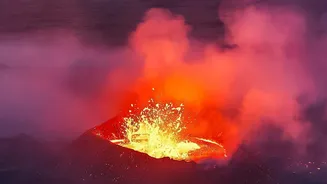
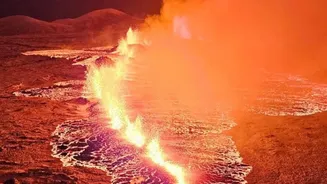
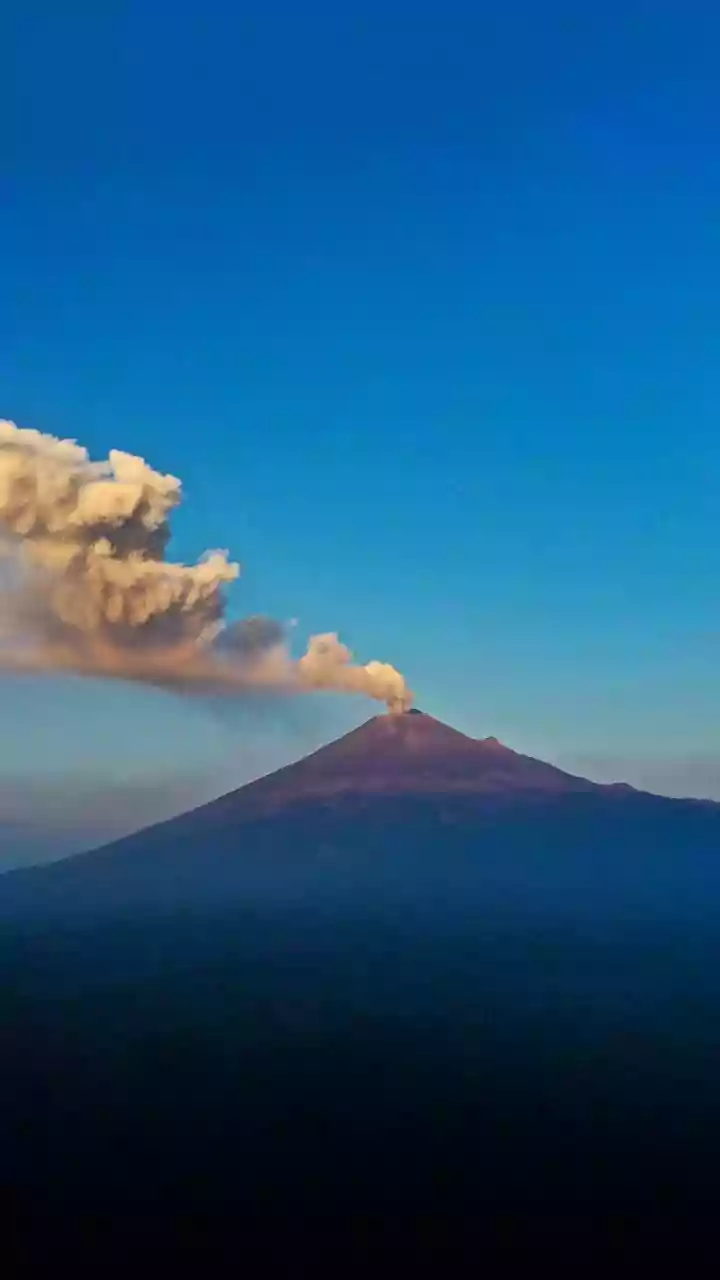
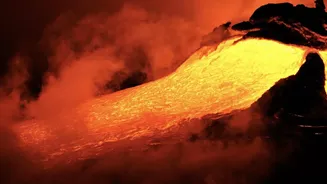
In the Democratic Republic of Congo, Mount Nyiragongo is infamous for its massive, persistent lava lake and its extremely fluid, fast-moving lava. On January 17, 2002, fissures opened on the volcano's southern flank, draining the lava lake and sending molten rock streaming towards the city of Goma, located just 12 kilometres away. While many eruptions are defined by explosive ash clouds, Nyiragongo's danger came from its river of lava, which destroyed an estimated 15% of the city, including homes and critical infrastructure. Although around 400,000 people were evacuated, the eruption resulted in an estimated 245 deaths. A significant number of these fatalities were not from the lava itself but from secondary effects, such as asphyxiation from carbon dioxide gas and building collapses caused by earthquakes that followed the eruption. The event left approximately 120,000 people homeless.
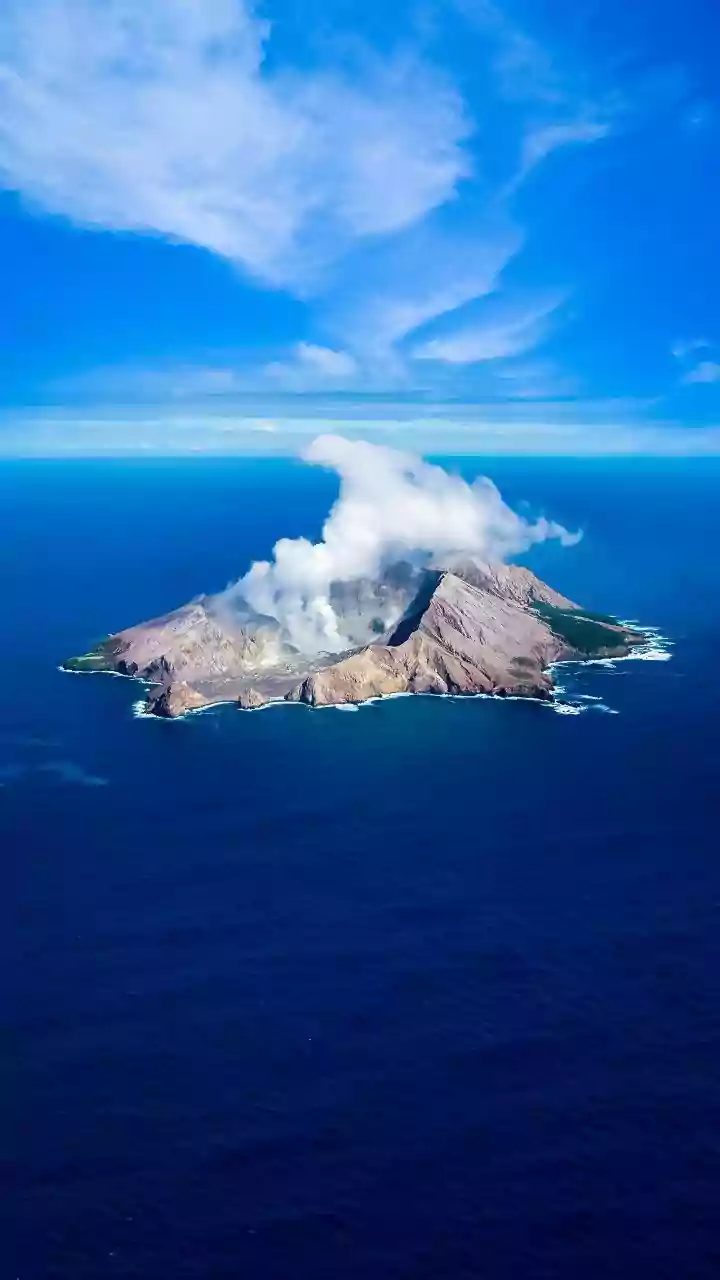
Whakaari/White Island, New Zealand, 2019
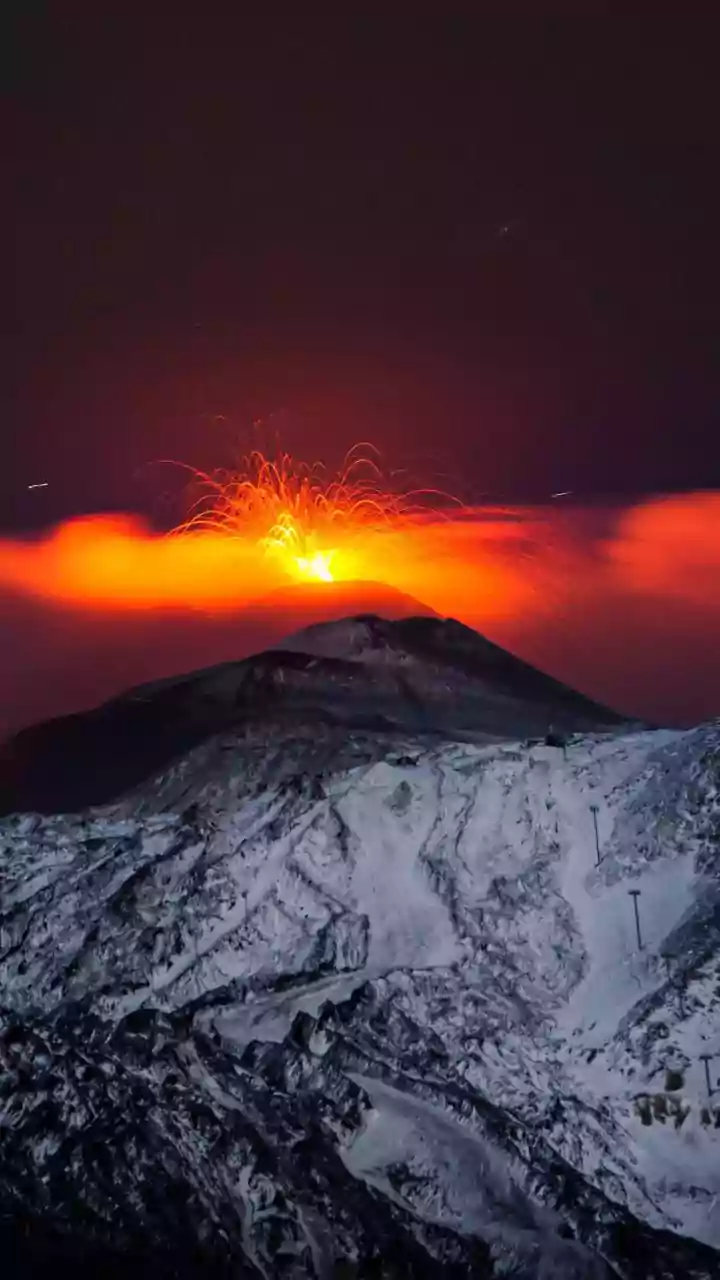
The eruption at Whakaari, also known as White Island, on December 9, 2019, was a tragedy that highlighted the risks of volcanic tourism. At the time of the sudden, explosive eruption, 47 tourists and guides were on the island, which is the tip of an active submarine volcano. The eruption was not a massive geological event in scale, but it was deadly for those at its epicentre. A pyroclastic surge of super-heated steam, toxic gas, and ash engulfed the crater floor where the tour groups were located. The event resulted in 22 deaths, with many survivors suffering from severe and extensive burns from the acidic steam and ash. The incident prompted major investigations into the safety protocols surrounding adventure tourism on active volcanoes, as the volcano had been showing signs of unrest for weeks prior to the fatal eruption.