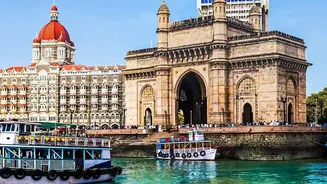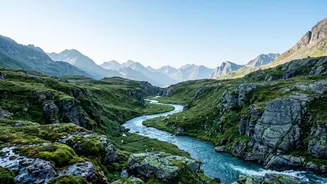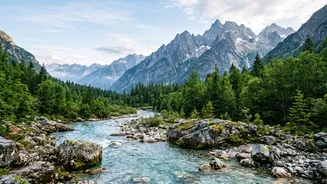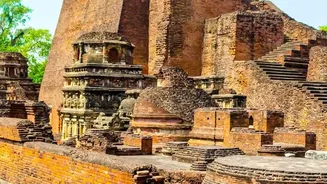








The great Indian vacation is getting a makeover. Forget frantic, box-ticking trips. A new trend shows travellers are craving longer, more meaningful journeys, and a fresh report from Agoda confirms this shift toward the unconventional.
The Big Finding: A Shift to the Unseen
Digital travel platform
Agoda has captured this changing mood in its '2027 Asia Travel Pulse' report. The headline statistic is striking: 55% of Indian travellers are likely to visit a lesser-known, or 'offbeat', destination in 2027. This makes Indians the most adventurous travellers in Asia, significantly outpacing the regional average of 36%. This isn't just a fleeting interest; it signals a fundamental change in what people seek from their time off. The era of simply visiting a popular spot for a photo is giving way to a desire for genuine connection, peace, and unique experiences away from the crowds. This trend has been building, with previous reports noting a rise in 'inward wanderlust' as travellers discover the rich diversity within India itself.
More Days, Deeper Experiences
Complementing the move towards offbeat locations is the growing preference for longer holidays. The same Agoda report found that 26% of Indian travellers plan for their trips to last between eight and twelve days. This is notably higher than the Asian average of just 15%, suggesting a conscious decision to slow down and immerse oneself in a destination rather than rushing through it. This trend allows for more than just sightseeing; it facilitates deeper cultural engagement, leisurely exploration, and the flexibility to embrace spontaneous discoveries. Experts believe this shift is partly driven by a desire to truly disconnect from routine and return from a holiday feeling genuinely refreshed.
What 'Offbeat' Really Means
So, what defines an offbeat destination? It’s not necessarily about travelling to a completely remote corner of the country. It's more about the mindset. It means choosing the serene pine forests of Jibhi over the bustling streets of Manali, or exploring the tranquil backwaters of Mawlynnong instead of the crowded beaches of North Goa. It’s a trade-off: swapping crowded tourist hubs for peaceful vistas, authentic homestays, and unique local culture. This can range from exploring ancient rock carvings in Tripura to discovering the blooming rhododendron valleys in Sikkim. The goal is to find places that are less commercialised and offer a more personal and memorable experience.
The Driving Forces: Adventure and Purpose
Two powerful motivations are fuelling this change: a thirst for adventure and a search for purpose. According to Agoda's findings, 42% of Indian travellers identify outdoor activities and adventure as a primary reason to travel. This is reflected in rising accommodation searches for mountain destinations like Leh and spiritual hubs such as Dharamshala. Furthermore, Indian travellers show a uniquely strong inclination towards spiritual journeys, with 14% citing it as a key motivator—three and a half times the Asian average. This search for meaning is leading people to places like Pushkar, which has seen a 195% surge in searches, and Prayagraj, as travellers seek connection, reflection, and purpose-driven experiences.
The New Indian Explorer
The profile of the Indian traveller is evolving. While family trips remain popular, there is a growing cohort of millennials and Gen Z explorers, as well as solo and partner travellers, who prioritise experiences over simply visiting landmarks. They are digitally savvy, using AI and online tools to plan their trips, yet they crave authentic, unfiltered moments. This new generation of travellers is not just looking for a holiday; they are looking for a story. They want to connect with local communities, savour regional cuisines, and return with memories that go beyond a typical vacation. This shift indicates a maturing travel market, where the 'why' of a trip is becoming just as important as the 'where'.