





Since returning to power, President Luiz Inácio Lula da Silva has emphatically declared 'Brazil is back'. This marks a significant pivot in foreign policy, re-establishing the nation as a key leader and advocate for the Global South.
Championing a Multipolar World
A core tenet of Lula's
foreign policy is the promotion of a 'cooperative multipolarity'. This vision challenges the dominance of traditional Western powers and advocates for a more balanced global order where developing nations have a stronger voice. Rather than aligning strictly with one bloc, Brazil has pursued a strategy of 'active non-alignment', maintaining relationships across geopolitical divides. This stance positions Brazil as a potential bridge-builder between the Global North and Global South, using its influence to push for reforms in global governance institutions like the United Nations and the International Monetary Fund. This approach resonates deeply with many developing countries that feel the current international system is unequal and unrepresentative.
Strengthening the BRICS Alliance
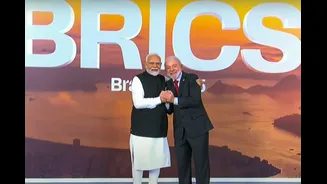
Under Lula, Brazil has championed the strengthening and expansion of the BRICS group, which includes Russia, India, China, and South Africa, alongside newer members. He sees BRICS as a vital platform for South-South cooperation and a counterweight to Western-led institutions like the G7. A key priority has been to promote the use of local currencies in trade between member countries and to bolster the role of the New Development Bank (the 'BRICS bank'). This strategy aims to reduce dependence on the US dollar and create a more resilient international financial system that reflects the multipolar world Lula envisions. In 2024, trade with BRICS nations accounted for 35% of Brazil's total foreign trade, underscoring the economic importance of this alignment.
Leading on Climate and the Amazon
Lula's return to office marked a dramatic reversal of the environmental policies of his predecessor. Declaring that 'Brazil is back' on the climate stage, his administration has made protecting the Amazon rainforest a cornerstone of its agenda. Significant progress has been made, with deforestation rates in the Amazon falling dramatically since he took office. By hosting the COP30 climate summit, Brazil has positioned itself as a global leader in environmental stewardship. Lula has framed climate action not just as a national duty but as a priority for the entire Global South, arguing for international financial support to make conservation more profitable than destruction and to ensure a just transition.
A Renewed Focus on Fighting Inequality
Lula has consistently linked his domestic agenda of fighting hunger and poverty with his foreign policy goals. In speeches at international forums like the G7, he has criticized the decline in international solidarity and development aid, arguing that global inequality is a root cause of instability and conflict. He has used Brazil's own successful social programs as a model, advocating for a global effort to eradicate hunger and build robust social safety nets. This focus on social justice as a foreign policy priority has helped solidify Brazil's role as a powerful voice for the most vulnerable nations within the Global South.
Advocating for Sovereignty and Diplomacy
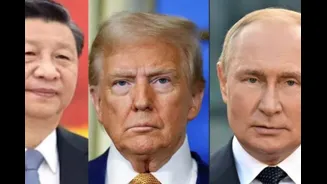
A defining feature of Lula's approach is a staunch defense of national sovereignty and a preference for diplomacy over confrontation. His administration has sought to navigate the growing competition between the United States and China by maintaining constructive partnerships with both, a strategy often described as multi-alignment. This includes building deep economic ties with China, particularly through BRICS, while also engaging Washington on trade and security. On global conflicts, Lula has consistently called for negotiated peace settlements, positioning Brazil as an impartial mediator. This non-aligned, diplomacy-first stance reflects a broader desire among many Global South nations to avoid being drawn into great power rivalries.