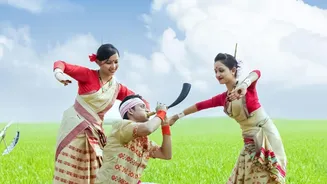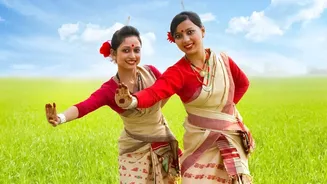





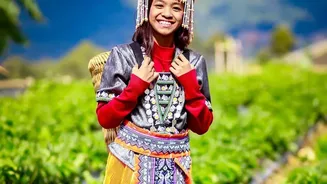
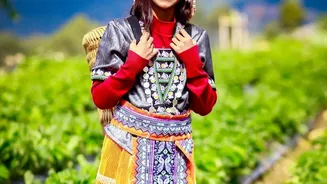
Every December, the hills of Nagaland come alive with a symphony of culture, colour, and tradition. The Hornbill Festival is back for its 27th edition, offering a vibrant window into the soul of the Naga people. Here's what you need to know.
The Festival of Festivals
Often called
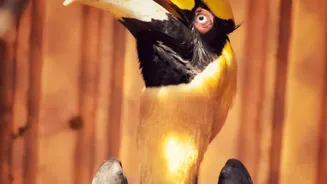
the 'Festival of Festivals', the Hornbill Festival is an annual celebration that brings together all the major tribes of Nagaland. Started in the year 2000 by the state government, its primary aim was to preserve and showcase the rich, diverse cultures of the Naga people while fostering inter-tribal interaction. Held from December 1 to 10 each year, the festival coincides with Nagaland Statehood Day on December 1. It's named after the revered Hornbill bird, a creature that symbolises strength and bravery and is deeply embedded in Naga folklore, often featured in traditional headgear. Over ten days, the festival becomes a living, breathing museum of Naga heritage, attracting visitors from across the globe.
The Heartbeat at Kisama Heritage Village
The main events unfold at the Naga Heritage Village in Kisama, located about 12 kilometres from the state capital, Kohima. This dedicated venue was purpose-built to host the festival and features traditional Naga houses, or 'Morungs', for each of the state's major tribes. These Morungs are not just exhibits; they are interactive spaces where visitors can meet people from different communities, learn about their customs, and watch artisans at work. The entire village is designed to give an authentic feel of Naga life, set against a backdrop of stunning scenic beauty. Recent government meetings have confirmed that preparations for the 27th edition are well underway, with a focus on improving roads, power, and other facilities to ensure a comfortable experience for all attendees.
A Feast for the Senses
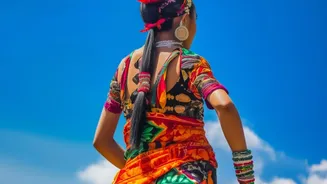
The festival is an explosion of cultural activity. The main arena hosts the most spectacular sights, with different tribes performing traditional folk dances, war cries, and songs in their vibrant, ceremonial attire from morning until late afternoon. Beyond the main stage, you can explore stalls selling exquisite handicrafts, from handwoven shawls to intricate wood carvings. Food is another major highlight. Visitors can sample a wide array of authentic Naga cuisine, known for its unique flavours like smoked pork with bamboo shoot, fermented soybean (axone), and dishes featuring the fiery Naga king chilli. For the adventurous, there are indigenous games and sports like traditional Naga wrestling, archery, and even chilli-eating competitions.
More Than Just Tradition
While deeply rooted in tradition, the Hornbill Festival has evolved to embrace contemporary culture. After the sun sets at Kisama, the energy shifts to Kohima and other venues. The Hornbill Music Festival is a major draw, featuring performances from local, national, and international rock bands. The streets of Kohima come alive with the Night Carnival, where you can find more food stalls, live music, and a bustling market atmosphere. Other modern events include a film festival, literature sessions with Naga authors, fashion shows, and even a World War II vintage car rally, creating a unique blend of ancient and modern Nagaland.
Planning Your Trip for December 2026
The Hornbill Festival 2026 is confirmed to run from December 1 to 10. President Droupadi Murmu is expected to attend the inaugural day as the chief guest. The nearest airport and railway station are in Dimapur, from where Kohima is a scenic 2–3 hour drive. It is crucial to book accommodation and flights months in advance, as this is peak season. Options range from hotels in Kohima to authentic homestays in surrounding villages like Kigwema, which can help you avoid traffic to the festival venue. Indian citizens require an Inner Line Permit (ILP) to travel beyond Dimapur, which can be arranged online or through your travel operator. Plan to spend at least three to four days to fully immerse yourself in the experience.