

Why Monsoon Demands Extra Vigilance
The rainy season, with its high humidity and moisture, creates a perfect breeding ground for bacteria and fungi. Fruits, especially those with high water content like papaya, can spoil faster. Contaminated water sources, a common issue during monsoons,
can also introduce harmful pathogens onto the surface of fruits and vegetables. This increases the risk of foodborne illnesses such as stomach infections, diarrhoea, and other gastrointestinal problems if the fruit is not chosen and handled correctly. Therefore, being selective about the papaya you buy and how you prepare it becomes more important than ever during this season.
How to Select the Perfect Ripe Papaya
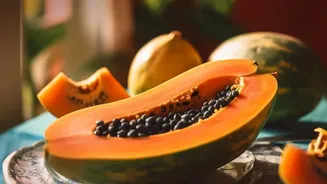
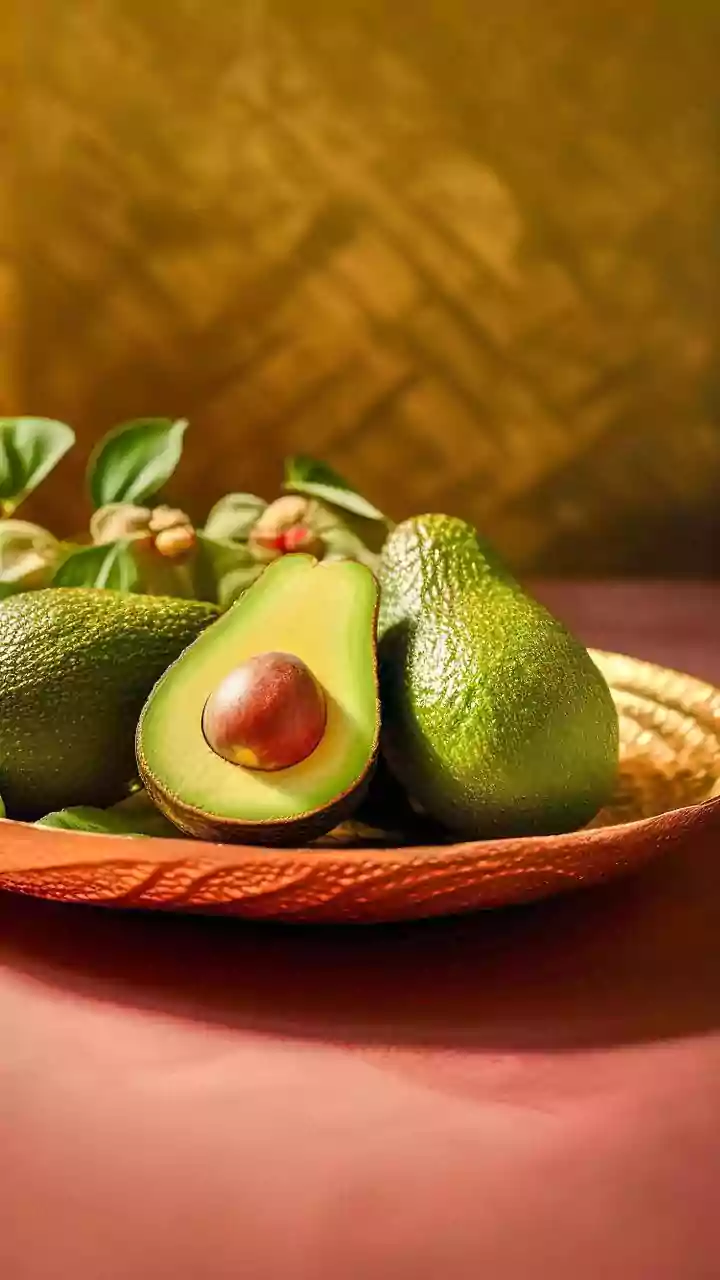
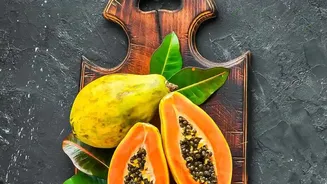
Choosing a papaya that is perfectly ripe is the first step. Look for fruit that is turning from green to a golden yellow or orange-gold colour. A few green patches are fine, especially if you don't plan to eat it immediately, but it should have a yellowish tinge near the stem to indicate the ripening process has begun. Gently press the skin; it should give slightly, similar to a ripe avocado, but should not be mushy. Avoid papayas with deep wrinkles, black spots, blemishes, or mouldy patches, as these can be signs of spoilage. A ripe papaya will also have a faint, sweet, and pleasant aroma near the stem end.
The Danger of Pre-Cut Fruits
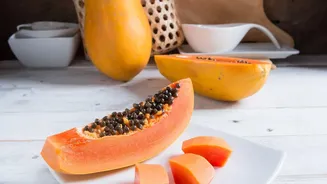
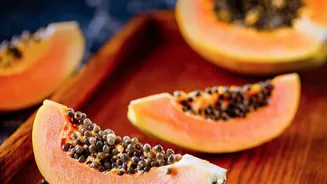
The convenience of pre-cut fruits is tempting, but it comes with significant risks, especially during the monsoon. Once a fruit's protective skin is broken, its flesh is exposed to the air and potential contaminants from hands, utensils, and the environment. Street vendors, in particular, may use contaminated water for washing or have less-than-ideal hygiene practices, increasing the risk of pathogens like Salmonella or E. coli. Furthermore, cut fruit loses its nutritional value, particularly vitamin C, much faster due to oxidation. For safety, it is always best to buy whole fruits and cut them yourself just before eating.
Safe Handling and Preparation at Home
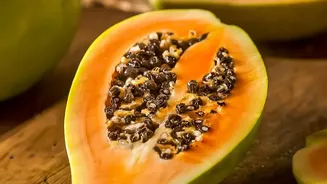
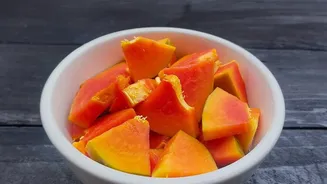
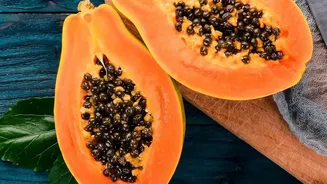
Once you've brought a whole papaya home, safe preparation is key. Begin by washing your hands thoroughly with soap and water. Then, wash the entire outer surface of the papaya under clean, running water. You can even use a soft brush to gently scrub the skin to remove any dirt or residue. Pat the fruit dry with a clean cloth or paper towel. Use a clean cutting board and a sharp knife to slice the papaya. After cutting it open, scoop out the seeds, and then slice or cube the flesh as desired. Consume the cut fruit immediately or store it in a clean, airtight container in the refrigerator for no more than a day to maintain its freshness and safety.
Enjoying Papaya's Health Benefits Safely
Despite the monsoon precautions, papaya is a fruit worth including in your diet. It is rich in vitamins C and A, which are excellent for boosting immunity—a great benefit during a season known for infections. The enzyme papain, found in papaya, aids in digestion, which can be particularly helpful for the bloating and indigestion some experience during the rains. It's also a great source of fibre, which helps maintain regular bowel movements. By following these simple but crucial steps for selection and preparation, you can safely enjoy all the nutritional advantages this wonderful tropical fruit has to offer all season long.