



More Than Just Holding a String
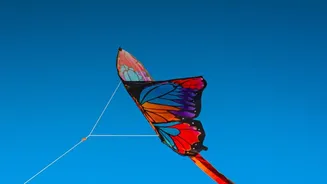
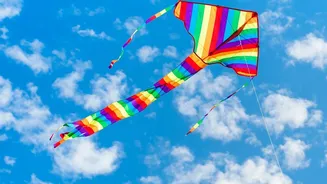
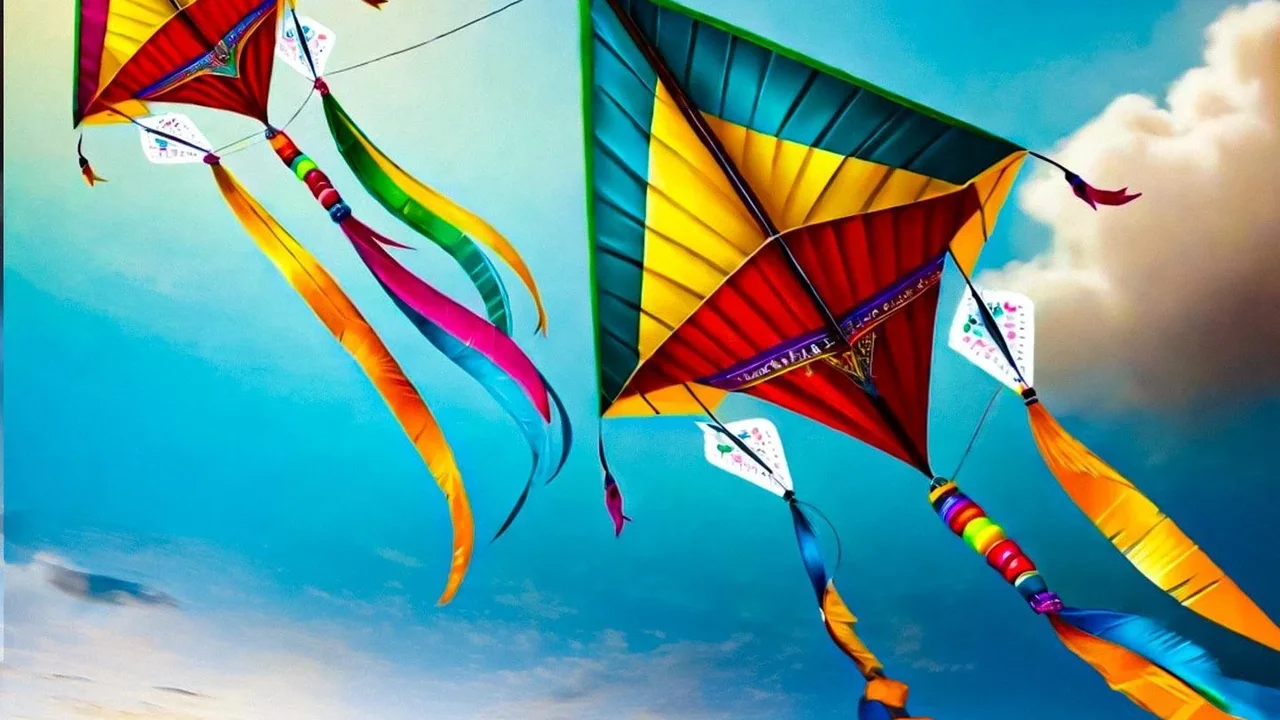
The common image of kite flying often involves someone sitting peacefully while a colourful diamond dances in the sky. The reality, however, is far more active. Getting a kite airborne often requires a running start to catch the breeze. Once it's up,
you are not merely standing still; you are constantly moving. You walk or jog across the park or beach, adjusting your position in response to shifting winds, and reeling the line in or letting it out. This constant motion turns a leisurely afternoon into a low-impact cardio session, making it an enjoyable form of exercise for people of all ages and fitness levels. It’s an activity that gets your heart rate up without the high stress on your joints that comes with more strenuous sports.
A Gentle Full-Body Workout
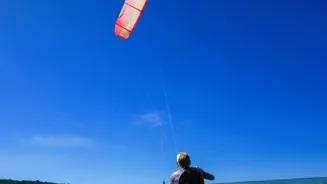
Beyond the walking and running, flying a kite provides a subtle full-body workout. Your arms, shoulders, and back are engaged as you control the kite against the pull of the wind. This is especially true for larger kites or those flown in stronger winds, which can require significant strength to manage. Your core muscles work to keep you stable as you move and adjust. The simple act of looking up helps stretch your neck and shoulders, counteracting the slouched posture many of us develop from long hours spent looking down at screens. All this activity can burn a surprising number of calories—some estimates suggest up to 400 calories per hour, comparable to a brisk walk.
A Boost for Mental Well-being
The benefits of kite flying extend far beyond the physical. The simple act of being outdoors, feeling the sun and breeze, has been shown to reduce stress, anxiety, and depression. Focusing on keeping the kite aloft is a form of active mindfulness, pulling your attention into the present moment and away from daily worries. Watching a kite soar against the vastness of the sky can be a meditative and calming experience, helping to lower levels of the stress hormone cortisol. This mental reset leaves you feeling refreshed and re-energised. The sense of accomplishment from successfully launching and controlling a kite can also provide a significant boost to self-esteem.
Getting Started Is Easy
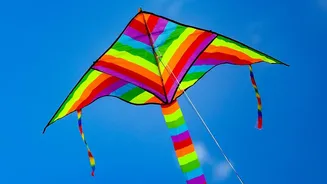
One of the best things about kite flying is its accessibility. You don’t need expensive gear or special training to begin. For beginners, a simple single-line delta or diamond-shaped kite is a great starting point, as they are stable and easy to launch. Find a wide-open space like a park, beach, or field, well away from trees, buildings, and power lines. The ideal wind for most kites is a steady breeze between 5 and 25 MPH—enough to rustle leaves on trees but not so strong that it’s difficult to control the kite. To launch, simply stand with your back to the wind, hold your kite up, and let the breeze lift it from your hands. As it climbs, slowly let out the line and enjoy the feeling of connecting with the wind.