

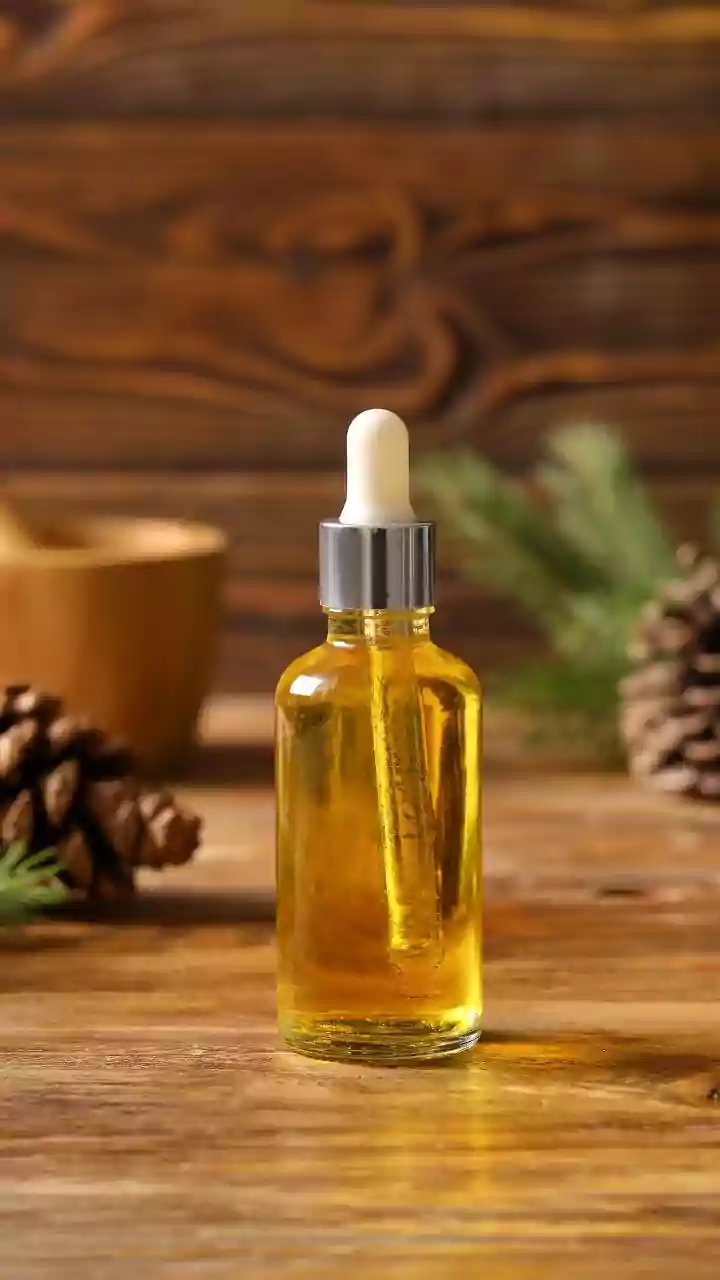






The Allure of Eucalyptus Oil
Derived from the leaves of the eucalyptus tree, this essential oil is widely used in traditional medicine and modern wellness for its perceived benefits. Its main active component, a compound called 1,8-cineole (or eucalyptol), is responsible for its distinct
aroma and many of its therapeutic properties. People use it to help with respiratory issues like coughs and congestion, soothe sore muscles, and even for its antimicrobial properties in cleaning or skincare products. Its invigorating scent is a popular choice for aromatherapy, meant to promote relaxation and mental clarity.
Understanding Contact Reactions
When your skin reacts negatively to something it touches, it's often a form of contact dermatitis. This can be either an irritant reaction or an allergic one. Irritant contact dermatitis is a direct result of a substance damaging the skin's surface; it can happen to anyone if the substance is harsh enough or the concentration is too high. Allergic contact dermatitis, on the other hand, is an immune system response. After an initial exposure sensitizes your immune system to a substance, any future contact can trigger an itchy, red rash, sometimes with blisters. This type of reaction can develop even after you've used a product without issue in the past.
Why Does Eucalyptus Oil Cause Irritation?
The very potency that makes eucalyptus oil popular is also what makes it a potential irritant. Pure, undiluted eucalyptus oil is highly concentrated and can be harsh on the skin, causing redness, a burning sensation, or even blisters. The main active compound, 1,8-cineole, can be particularly irritating for those with sensitive skin. Furthermore, like many essential oils, eucalyptus oil contains natural fragrance compounds that are known allergens. As the oil is exposed to air and light over time, it can oxidize, creating new compounds that are even more likely to cause an allergic reaction.
Who Is Most at Risk?
Certain individuals should be more cautious when using eucalyptus oil. People with a history of sensitive skin, eczema, or other skin conditions are more susceptible to irritation. Those with occupational exposure, like aromatherapists and massage therapists, have a higher risk of developing an allergy over time. Additionally, the strong compounds in eucalyptus oil are not recommended for use on or near infants and young children, as their skin and respiratory systems are more delicate. Pregnant and breastfeeding women are also advised to avoid it due to a lack of safety research.
How to Use Eucalyptus Oil Safely
Safe use is all about dilution. Never apply pure, undiluted eucalyptus oil directly to your skin. It must be mixed with a carrier oil, such as coconut, jojoba, or almond oil, before application. A common recommendation for adults is a 2% dilution, which translates to about 12 drops of essential oil per 30 ml of carrier oil. For sensitive skin, starting with an even lower concentration of 1% or less is a good idea. Before using a new product or blend, always perform a patch test. Apply a small amount of the diluted oil to a discreet area of skin, like your inner elbow, and wait 24 to 48 hours to see if a reaction occurs. Avoid contact with eyes, lips, and broken skin.