




A Major Shift in Strategy
Originally, Artemis III was the mission that would put astronauts back on the lunar surface for the first time since the Apollo program ended in 1972. However, NASA has officially changed the plan. Instead of a trip to the Moon, Artemis III is now a highly
ambitious test flight in low Earth orbit, scheduled for as early as summer 2027. The crewed lunar landing has been pushed to the Artemis IV mission, which is now targeted for 2028. This strategic pivot is designed to reduce risk by testing incredibly complex procedures closer to home before attempting them a quarter-million miles away.
What Is the Docking Test?
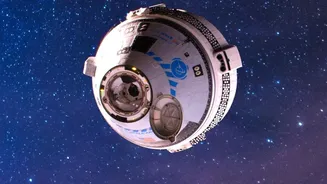
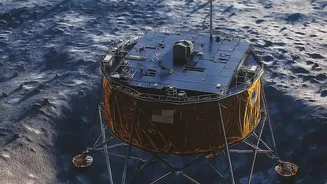
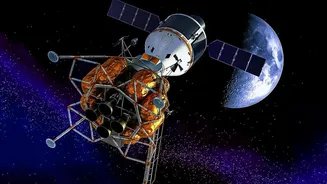
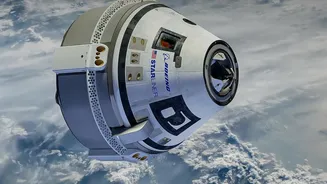
The Artemis III mission will be an unprecedented logistical challenge, involving three separate launches of some of the world's most powerful rockets. The core of the 14-day mission is to have the four-person crew, flying in NASA’s Orion capsule, practice rendezvousing and docking with test versions of the lunar landers being developed by SpaceX and Blue Origin. First, Blue Origin will launch its Blue Moon lander test article on a New Glenn rocket. Then, NASA will launch the Orion crew capsule on its Space Launch System (SLS) rocket. A few days later, SpaceX will launch a test version of its Starship Human Landing System (HLS). The Orion crew will then perform two separate docking maneuvers with each lander.
A Tale of Two Landers
The procedures for each docking will be different. The Orion capsule will first link up with the Blue Origin lander. Over two days, the astronauts will actually enter the Blue Moon test vehicle to evaluate its cabin environment, life-support systems, and controls. After undocking, the Orion crew will then maneuver to meet the SpaceX Starship. This second docking will be a shorter, two-hour test focused on validating the connection and integrated systems, but the crew will not enter the Starship vehicle during this particular mission. Testing two different landers and docking geometries in a single mission provides NASA with invaluable data and flexibility for future landing attempts.
Why Practice in Earth's Backyard?
Conducting this 'dress rehearsal' in low Earth orbit is a deliberate risk-reduction strategy. Any problems with navigation, docking, life support, or communication systems can be managed more safely when the crew is just a few hundred miles from home. NASA has never attempted to coordinate three separate heavy-lift launches and dock multiple brand-new spacecraft in such a short window. As Artemis Program Manager Jeremy Parsons explained, every lesson learned in Earth orbit gets the agency closer to a successful Moon landing in 2028. The decision also addresses delays and challenges in the development of the landers and gives the private companies critical flight experience.
The Road to Artemis IV
This Earth-orbit test is the new, essential stepping stone to the Moon. The data gathered from Artemis III will directly inform which lander—or landers—are ready for the Artemis IV mission in 2028. NASA officials have stated they will wait as long as possible to decide which vehicle will get the first landing attempt, fostering competition and providing a backup. This revised plan, driven by a desire to ensure safety and maintain momentum in what some call a new space race with China, fundamentally reshapes the Artemis program. It turns Artemis III from a single landing mission into a complex orbital ballet that will prove the technologies needed for humanity's sustained return to the lunar surface.