


Pesarattu: The Golden-Green Crepe
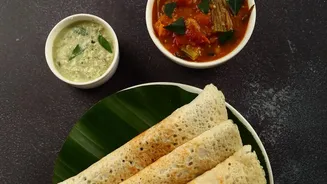
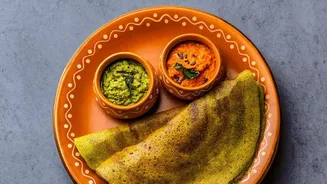
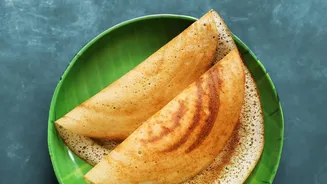
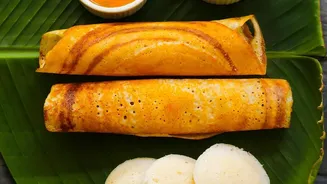
Known as Pesarattu, this dish is a staple in Telugu households. The name itself tells its story: 'pesara' is the Telugu word for green gram (or whole moong), and 'attu' means crepe or dosa. Unlike its more famous cousin, the traditional dosa, Pesarattu batter
requires no fermentation. It is made by soaking whole green gram, sometimes with a handful of rice for extra crispiness, and grinding it into a smooth paste with fiery green chillies, pungent ginger, and earthy cumin seeds. The batter is used fresh, spread thin on a hot griddle, and cooked until golden and crisp, often sprinkled with a generous topping of finely chopped onions and more green chillies.
The Perfect Partner: A Scoop of Upma
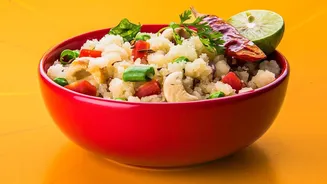
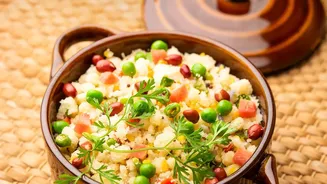
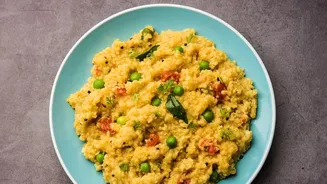
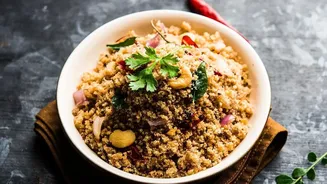
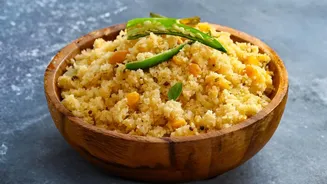
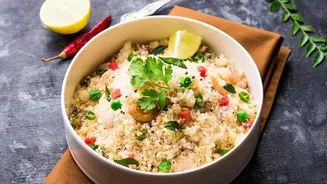
While Pesarattu is delicious on its own, often served with a side of ginger chutney, its most celebrated form is when it's paired with upma. This combination, a crepe filled with a scoop of savoury, steaming rava upma, is a match made in breakfast heaven. The soft, fluffy texture of the upma complements the crispiness of the Pesarattu, creating a filling and texturally delightful meal. This iconic pairing is so popular in Andhra restaurants and homes that it has earned its own special name: MLA Pesarattu. This version transforms a simple crepe into a complete, satisfying brunch or meal.
The Legend of the ‘MLA’ Dosa
The name 'MLA Pesarattu' is shrouded in charming local lore. The most popular story traces its origins to the canteens of the State Legislative Assembly in Hyderabad. As the legend goes, it began as an off-menu order for Members of the Legislative Assembly (MLAs) who were in a hurry. To save time, they would ask for their two favourite breakfast items, Pesarattu and upma, to be combined into one dish. The cooks obliged by stuffing the upma inside the pesarattu, and the convenient, delicious creation quickly caught on, eventually earning the nickname that has stuck ever since.
A Powerhouse of Nutrition
Beyond its taste and cultural significance, Pesarattu is celebrated for its impressive health benefits. Made from whole green gram, it is a fantastic source of plant-based protein, making it an excellent choice for vegetarians and anyone looking for a protein-rich start to their day. It's also packed with dietary fibre, which aids digestion and promotes a feeling of fullness. Because it's made from lentils and is naturally gluten-free, it's a wonderfully inclusive dish. With a low glycemic index, it provides sustained energy without causing sharp spikes in blood sugar, making it a smart and wholesome option.
A Taste of Andhra Tradition
Pesarattu is more than just a recipe; it is a reflection of Andhra's agricultural roots, where green gram is cultivated extensively. It’s a dish that appears on breakfast tables in homes, at bustling street-side tiffin centres, and during family gatherings, embodying the region's warm hospitality. The process is simple: soak the lentils for a few hours, grind them into a batter, and cook. There's no lengthy fermentation, making it a relatively quick and convenient meal to prepare. This simplicity, combined with its rich flavour and nutritional value, is precisely why it remains an enduring favourite.