




Step 1: Ignore the Front, Read the Back
The front of the cereal box is prime marketing real estate, often featuring appealing images and health claims that can be misleading. The real story of your cereal is on the back, in the nutrition information panel and the ingredients list. The ingredients are
listed by weight, from highest to lowest. A good rule of thumb is to choose cereals where a whole grain is the first ingredient. Look for words like "whole wheat," "whole grain oats," or millets like jowar and bajra. If sugar, or one of its many aliases, is one of the first few ingredients, it's a sign that the cereal is less of a healthy breakfast and more of a dessert.
The Hidden Sugar Problem
Added sugar is one of the biggest culprits in turning a seemingly healthy cereal into an unhealthy choice. It’s important to distinguish between naturally occurring sugars (like those in fruit) and added sugars, which provide calories but no nutritional value. The Indian Council of Medical Research (ICMR) suggests limiting added sugar intake to about 25 grams per day. Many popular cereals, especially those aimed at children, can contain a significant portion of this daily limit in just one serving. Look for cereals with 5 grams of sugar or less per serving. Be aware that sugar has many names. Terms like high-fructose corn syrup, dextrose, maltose, sucrose, molasses, and fruit juice concentrate are all forms of added sugar.
Fibre: The Underappreciated Hero
Fibre is crucial for good health. It aids digestion, helps you feel full for longer, and can assist in managing blood sugar levels by slowing down sugar absorption. A diet rich in fibre is also linked to a lower risk of heart disease. When choosing a cereal, aim for one that provides at least 3 to 5 grams of dietary fibre per serving. Whole grains are excellent sources of fibre. Cereals made from oats, bran, whole wheat, and millets are generally good choices. Plain rolled oats, for example, are high in a type of soluble fibre called beta-glucan, which is known to help lower cholesterol.
Cereal Comparison: Flakes, Muesli, and More
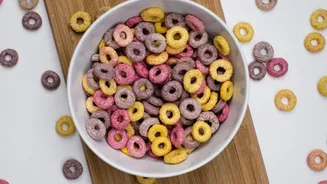
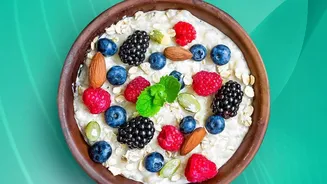
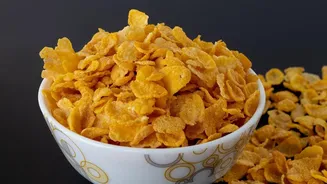
Let's compare some common cereal types found in India. Classic corn flakes are a popular choice but are often low in fibre (around 1 gram per serving) and can have added sugars. Healthier versions with added fibre are available, so it's worth checking the label. Muesli, a mix of rolled oats, grains, nuts, seeds, and dried fruit, is often seen as a very healthy option. While it can be high in fibre and nutrients, it can also be high in sugar and fat, depending on the ingredients. Some brands offer no-added-sugar muesli, which is a better choice. Children's cereals, like those with chocolate or frosting, are typically very high in added sugars and should be consumed sparingly, if at all.
Your Healthy Cereal Checklist
To simplify your next trip to the supermarket, here is a quick checklist to help you make a better choice: 1. Whole Grain First: The first ingredient should be a whole grain like whole wheat, oats, or millet. 2. High Fibre: Look for at least 3-5 grams of fibre per serving. 3. Low Added Sugar: Aim for less than 5 grams of added sugar per serving. 4. Short Ingredient List: Generally, a shorter list with recognizable ingredients is a positive sign. 5. Check Serving Size: Be mindful of the recommended serving size on the box, which is often smaller than what people actually pour into their bowl. This affects the total amount of sugar and calories you consume.