
The Invisible Threat: Clear-Air Turbulence
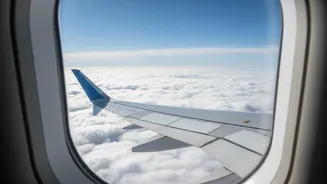
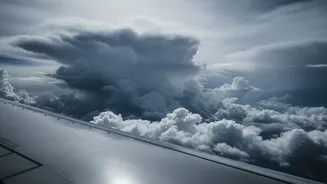
Most people associate turbulence with stormy weather and flashing lightning. While thunderstorms certainly cause bumpy rides, the most insidious type of turbulence is the one you cannot see, known as Clear-Air Turbulence or CAT. It occurs in cloudless,
calm-looking skies, often when masses of air moving at vastly different speeds collide, particularly near the high-altitude jet streams. Unlike a storm, CAT is invisible to the naked eye and to conventional weather radar, meaning it can strike without any warning. This element of surprise is precisely what makes it so dangerous; pilots have no chance to warn passengers to buckle up before the first violent jolt hits.
The Physics of a Human Projectile
An aircraft is built to withstand extreme forces, with wings designed to flex and absorb the stress of even severe turbulence. Passengers, however, are not. When a plane hits a sudden downdraft, it can drop altitude abruptly. For anyone unbuckled, their body continues to move upwards relative to the cabin. In essence, you become a free-floating object inside a metal box that is violently shaking. When the plane then lurches upward, your unrestrained body will slam back down, not necessarily into your soft seat, but onto armrests, tray tables, or the floor. Even more dangerous is being launched vertically into the ceiling panels and overhead bins with significant force. This is how most serious, non-fatal injuries occur during turbulence.
From Bumps to Broken Bones and Head Trauma
The injuries sustained by unbelted passengers are not minor scrapes. Hitting the cabin ceiling can result in serious head trauma, concussions, and neck or spinal injuries. According to aviation safety reports, broken bones, particularly to ankles, hands, and collarbones, are common as people are thrown against hard surfaces or try to stabilize themselves. Laptops, drink carts, and other loose items can also become dangerous projectiles, compounding the risk. Data from accident investigations is overwhelmingly clear: the vast majority of passengers who suffer serious injuries in turbulence-related incidents were not wearing their seatbelts.
Your Single Best Defence: The Lap Belt
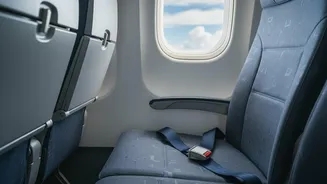
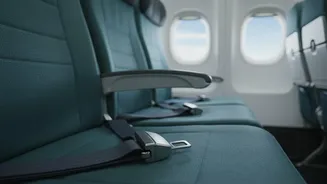
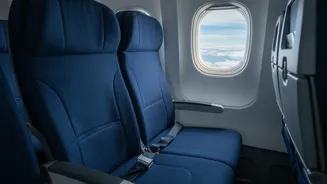
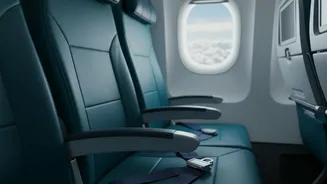
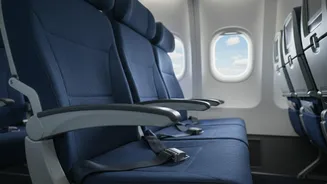
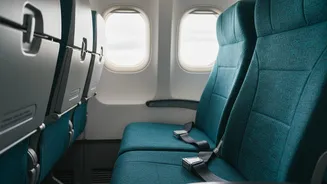
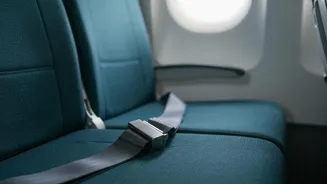
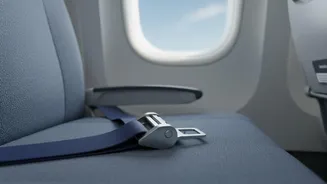
The simple lap belt is the single most effective piece of safety equipment available to a passenger. Its job is not just for take-off and landing. During turbulence, its primary function is to anchor your body to your seat, which is firmly anchored to the aircraft's structure. By keeping you secured, the belt prevents you from being thrown around the cabin. It ensures that you move with the plane, rather than being tossed about inside it. Federal Aviation Administration (FAA) studies have shown that proper use of restraints is critical. Even when fastened loosely for comfort during a long flight, a seatbelt provides a crucial layer of protection against unexpected, severe jolts.