


Skip the River Boat Tours
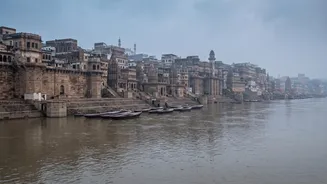
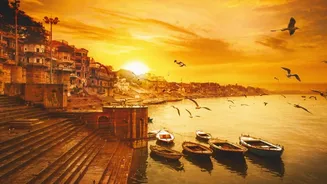
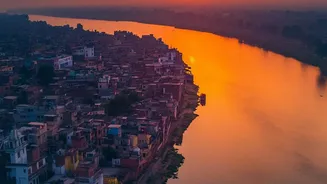
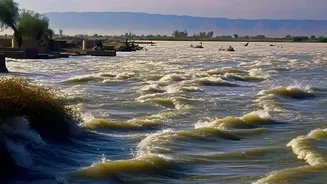
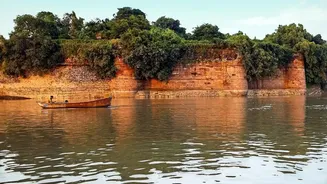
The quintessential sunrise boat tour on the Ganga is likely off the table. As of early September, the district administration has suspended all boat operations due to the high water levels and strong currents. The river is rising, and venturing onto it
is unsafe. Local officials have explicitly warned residents and tourists to stay away from the river. While you may see some unauthorized boats, it is critical to heed the official ban. The risk of accidents is significantly higher, and emergency services are focused on relief efforts for affected residents. Instead, find a safe, high vantage point to view the river's powerful flow from a distance.
Avoid Bathing at Submerged Ghats
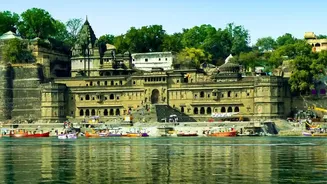
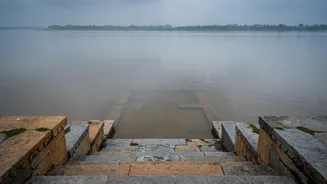
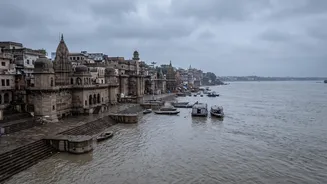
The iconic ghats, the long flights of steps leading down to the river, are a central part of the Varanasi experience. However, with the rising water, many are partially or completely submerged. The lower platforms of major ghats like Dashashwamedh and Assi are underwater, and the steps that remain visible are extremely slippery with silt and algae, making falls a common risk. Ritual bathing, a common practice for pilgrims, is currently hazardous. Officials have advised everyone to avoid going onto the ghats. Even the famous evening Ganga Aarti ceremony has been moved to higher ground to accommodate the swollen river.
Don't Wade Through Waterlogged Lanes
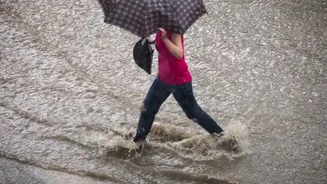
The rising Ganga also causes its tributary, the Varuna, to swell, leading to significant waterlogging in the city's low-lying areas and narrow lanes. These floodwaters are not just an inconvenience; they pose a serious health risk. The water can be contaminated with sewage and other waste, increasing the danger of waterborne diseases. Furthermore, there is a risk of hidden debris, sharp objects, or even downed electrical wires. If you encounter a flooded street, do not try to walk or drive through it. Find an alternative, drier route, even if it takes longer. For locals, this is a time of hardship, with thousands displaced into relief camps, so tourists should navigate the city with extra caution and respect.
Reconsider Your Cremation Ground Visit
For many visitors, witnessing the ancient funeral rites at Manikarnika Ghat is a profound experience. Currently, this has become extremely challenging and disruptive for the families involved. The main cremation areas at Manikarnika have been inundated by floodwater. As a result, cremations are being conducted in cramped, makeshift spaces on the rooftops of nearby buildings. Mourners are forced to navigate through knee-deep water and sludge, and boats are being used to transport bodies through the flooded lanes. Given these difficult circumstances, it is best to avoid the area to allow grieving families the space and dignity they deserve during a difficult time.
Be Vigilant About Street Food and Water
Health precautions are always important in India, but they become critical during floods. The risk of contracting waterborne illnesses like cholera and typhoid spikes when floodwaters mix with the general water supply. Tourists should be especially vigilant. Drink only sealed bottled water, and refuse ice in drinks unless you are certain it was made from purified water. Be extremely cautious with street food. While a core part of the travel experience, it's best to stick to restaurants with reliable hygiene standards or eat only food that is freshly cooked and served piping hot in front of you. Carrying a basic medical kit with rehydration salts and anti-diarrhea medication is also a wise precaution.