




The Joy of a Simple Snip
At its heart, plant propagation is the process of creating new plants from a parent plant. For the home gardener, the easiest and most popular method is using stem cuttings. It’s an incredibly rewarding and sustainable way to expand your collection, share
plants with friends, or simply fill your space with more greenery. Many common houseplants found in Indian homes, from the ubiquitous money plant to the colourful coleus, are surprisingly easy to multiply. All it takes is a healthy parent plant, a clean pair of scissors, and a little patience.
Your Propagation Toolkit
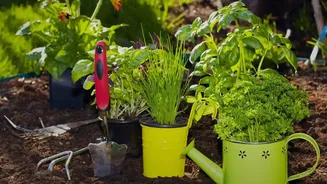
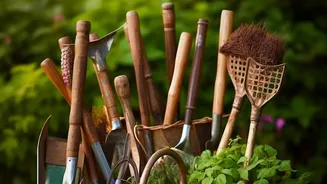
You don’t need a lot of fancy equipment to start. First, you'll need a healthy, well-established parent plant to take cuttings from. Second, grab a sharp, clean tool for cutting—kitchen scissors or a small knife will do, but make sure to sterilise them with rubbing alcohol first to prevent introducing bacteria. Finally, you'll need a container for the new cuttings. A simple glass jar for water propagation or a small pot with a proper drainage hole for soil propagation is perfect. For soil, a mix of cocopeat and perlite is ideal as it provides good drainage and aeration.
Taking the Perfect Cutting
The success of your new plant often depends on taking the right kind of cutting. Look for a healthy, mature stem on the parent plant. For most vining plants like Pothos (Money Plant) and Philodendron, you'll want a piece of stem that is 4-6 inches long. The most critical part of this cutting is the 'node'—a small bump on the stem where leaves and roots grow. Your cutting must include at least one or two nodes. Make a clean, swift cut just below a node. Once you have your cutting, gently remove any leaves on the lower part of the stem that might end up submerged in water or soil, as these can rot.
Water or Soil: Choosing Your Method
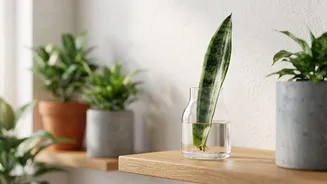
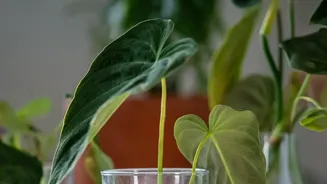
There are two main ways to encourage your cutting to grow roots: in water or in soil. Water propagation is popular because it's exciting to watch the roots grow. Simply place your cutting in a jar of clean water, ensuring the nodes are submerged but the leaves are not. Change the water every few days to keep it fresh. Soil propagation can lead to a stronger root system from the start. For this method, you can dip the cut end of the stem in rooting hormone (optional, but it helps) and plant it directly into a pot with a moist, well-draining potting mix. Keep the soil consistently moist but not waterlogged.
Easy Plants for Indian Homes
Not all plants are created equal when it comes to propagation. For beginners, it's best to start with plants that are known to root easily. Here are a few popular choices in India: Money Plant (Epipremnum aureum): The ultimate beginner's plant, it roots incredibly fast in water. Coleus: This colourful foliage plant roots very quickly in both water and soil. Hibiscus: Take softwood cuttings in the spring or monsoon season for best results. They prefer to be rooted in soil. Snake Plant (Sansevieria): Though slower, you can propagate these from leaf cuttings. Let the cut end dry for a day before placing it in soil. Arrowhead Plant (Syngonium): This fast-growing plant roots readily in water or soil.
From Cutting to Potted Plant
Patience is key. It can take anywhere from a couple of weeks to a month or more for roots to develop. Once your water-propagated cutting has roots that are about an inch long, it’s time to move it to soil. The transition from water to soil can be a shock for the delicate new roots, which are different from soil roots. To help, keep the soil consistently moist for the first couple of weeks after potting. Place your newly potted plant in bright, indirect light and avoid direct sun, which can scorch the young plant.