




A seemingly routine technical task spiraled into nationwide travel chaos, grounding thousands of flights across the United States. An attempt to modernize a piece of America's critical aviation infrastructure backfired, highlighting the fragility of the complex
systems that keep the skies safe.
What Exactly Went Wrong?
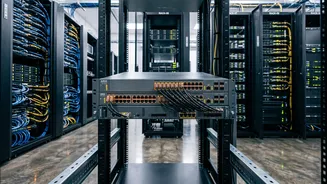
The problem began during an effort to upgrade the Federal Aviation Administration's (FAA) telecommunications network, replacing old copper wires with modern fiber-optic lines. A contractor, L3Harris, installed a new router at an FAA facility in El Dorado, Arkansas. Shortly after, this new router, along with another recently upgraded one in Amarillo, Texas, began to malfunction. Instead of operating smoothly, the devices started flooding the entire network with an overwhelming amount of data—reportedly making 1,000 connection attempts every four to five seconds. This data deluge, likened to an internal denial-of-service attack, created instability in aircraft communications and radar feeds, effectively crippling the system.
The Cascade of Cancellations
The impact was immediate and severe. As the network became unstable, the FAA took the drastic but necessary step of issuing a nationwide ground stop for nearly five hours, the longest such halt since the events of 9/11. The order prevented almost all commercial planes from taking off. While the 3,500 aircraft already in the sky were able to land safely, the decision set off a domino effect. On the day of the outage alone, over 9,000 flights were cancelled, with thousands more cancelled and delayed in the following days as airlines scrambled to recover. In total, the disruption impacted tens of thousands of flights, stranding passengers and causing chaos at airports from coast to coast.
Inside the ATC 'Nervous System'
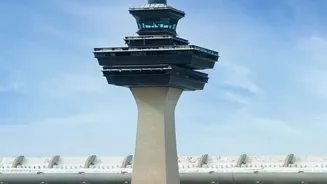
The failure affected 17 of the FAA's 22 Air Route Traffic Control Centers (ARTCCs). These centers are the backbone of the air traffic system, managing aircraft cruising at high altitudes between airports. The systems in place, such as the En Route Automation Modernization (ERAM) platform, process radar and flight data to help controllers track up to 1,900 aircraft simultaneously. When the new routers caused data instability, the integrity of the information fed into systems like ERAM was compromised, making it impossible for controllers to safely manage the skies. The outage revealed how a single point of failure in the telecommunications network can have a widespread effect on the entire National Airspace System.
An Aging System Under Pressure
This incident has put a harsh spotlight on the decades-long struggle to modernize America's air traffic control infrastructure. While the outage was triggered by a new installation, it exposed vulnerabilities in the interaction between new technology and legacy equipment. For years, government watchdogs have warned that much of the FAA's equipment is aging and becoming difficult to maintain, with a recent assessment finding a majority of ATC systems were unsustainable or potentially unsustainable. The FAA has been engaged in a multi-billion dollar modernization effort to replace these aging components, but progress has been slow. This event underscores the immense challenge of overhauling a critical, 24/7 system without causing major disruptions.
The Path to Recovery and Prevention
In the immediate aftermath, technicians stabilized the network by blocking the faulty routers and disabling the problematic function on about 60 similar devices across the country. The FAA has paused further installations of the new routers pending a full investigation into the root cause of the failure. The incident has prompted political debate, with calls for increased funding to accelerate the modernization of the nation's air traffic systems. The key question for investigators now is to determine whether the problem was caused by faulty hardware, a software misconfiguration, or human error during the installation process, to prevent a similar nationwide shutdown from happening again.