






A Scheme to Champion Local Heroes
The 'One District, One Product' (ODOP) scheme, launched by the Uttar Pradesh government in 2018, is designed to identify and promote a unique product from each of the state's 75 districts. The idea is simple yet powerful: focus resources on transforming
a district’s traditional strength—be it handicrafts, agricultural produce, or food—into a globally competitive brand. The program provides comprehensive support, including financial assistance, skill development, modern toolkits, and marketing support to help local artisans and entrepreneurs scale up. By creating economic hubs around these signature products, the initiative aims to boost local employment, preserve traditional skills, and drive exports.
Why the Humble Samosa?
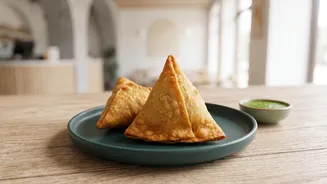
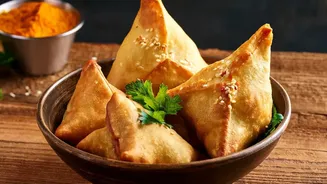
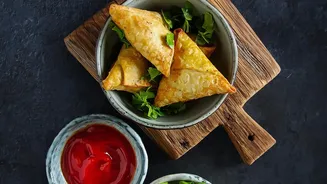
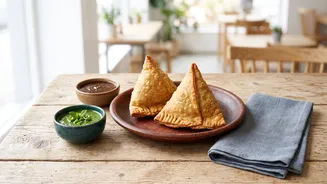
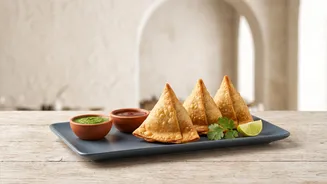
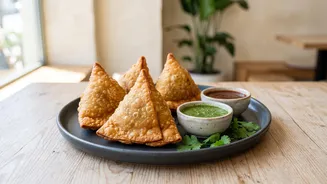
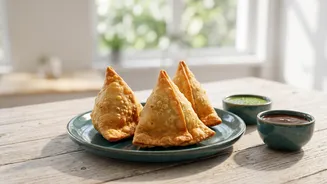
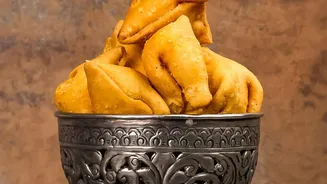
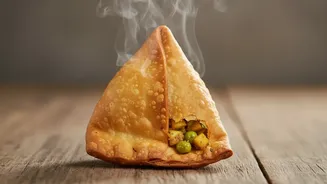
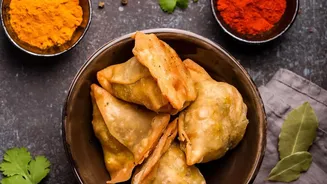
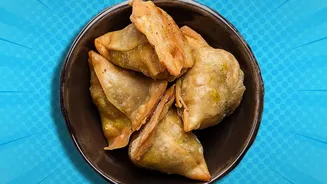
In a city known for the spiritual significance of the Sangam, the samosa holds a special place in the hearts and daily routines of its people. For Prayagraj, the choice was clear. After extensive consultations with culinary experts, historians, and local business owners, the samosa was officially named the district's signature dish under the 'One District, One Cuisine' (ODOC) initiative, a programme inspired by ODOP. The decision honours a snack that cuts across all social and economic lines—enjoyed with morning tea, as an afternoon bite, and as a staple at gatherings. From the legendary 136-year-old Hari Ram and Sons, famous for its desi ghee masala samosas, to countless street vendors, the snack is woven into the city's identity. Some shops are famous for the classic potato filling, while others are known for unique mini-samosas filled with a dry spice blend that gives them a long shelf life.
From Street Carts to Broader Markets
The initiative aims to provide practical support to the ecosystem behind Prayagraj's favourite snack. This includes an estimated 800 manufacturers, 400 street vendors, and 300 restaurants. Under the ODOC Financing Assistance Scheme, entrepreneurs can receive subsidies for projects aimed at establishing new units or expanding existing ones. The financial aid is structured to support businesses of all sizes, with subsidies ranging from 10% to 25% on project costs. The support isn't just financial. The government also plans to offer training in areas like packaging, quality control, and hygiene to help standardize the product for a wider market. This could help Prayagraj's samosas move from local shops to supermarket shelves and even e-commerce platforms.
The Potential for a GI Tag
Beyond immediate economic benefits, the promotion of Prayagraj's samosa could pave the way for a Geographical Indication (GI) tag. A GI tag is a certification that identifies a product as originating from a specific region and possessing qualities or a reputation that are due to that origin. Products like Darjeeling Tea and Banarasi sarees have benefited immensely from GI tags, which protect them from imitation and enhance their value in national and international markets. For the Prayagraj samosa, a GI tag would serve as a stamp of authenticity, guaranteeing its unique recipe and connection to the city. This would not only protect the heritage of local vendors but also open up new export opportunities and strengthen its brand identity on a global stage.
More Than Just a Snack
While the focus is on the samosa, the initiative also includes other local delicacies like rasgullas and puri-kachoris, broadening the potential impact. This move recognizes that Prayagraj's culinary identity is rich and diverse. By empowering the small businesses and self-help groups behind these foods, the scheme is expected to generate significant employment, potentially for over 1,500 people in the district. It's a model that demonstrates how preserving and promoting local food culture can be a powerful engine for economic growth and community development, ensuring that the city’s cherished traditions continue to thrive for generations to come.