

A City That Celebrates Mornings
While many cities rush through their mornings, Indore slows down to savour them. Long before the daily hustle begins, the streets are alive with the sizzle and steam of breakfast stalls. From college students to office workers, the entire city seems to congregate
around these humble carts and shops. This isn't just about grabbing a quick bite; it's a social event, a moment of community built around a shared love for food. This daily tradition is the heartbeat of Indore's culinary identity, and at its centre is the iconic combination of poha and jalebi.
The Soul of the Breakfast: Indori Poha
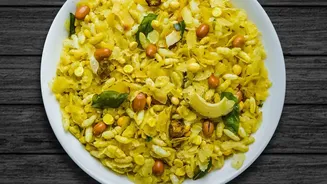
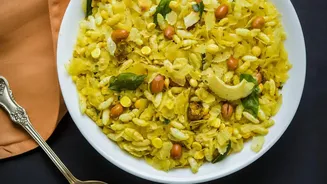
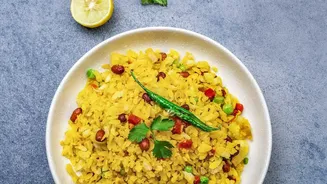
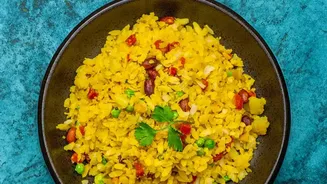
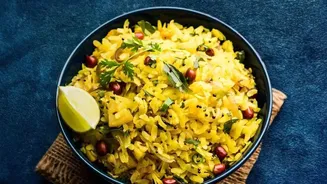
Poha, or flattened rice, is a staple across India, but Indore has elevated it to an art form. What makes Indori poha so special is its unique preparation method. Unlike other versions where the rice flakes are often fried, here they are gently steamed, resulting in an incredibly soft, fluffy, and moist texture. This light and airy base is then seasoned with a delicate balance of sweet, tangy, and savoury flavours. The dish, brought to the region by Maratha rulers, has been adapted over decades to suit the local Malwa palate. It's a testament to a food culture that knows how to adopt and perfect.
The Secret Weapon: Jeeravan Masala
The defining characteristic of Indori poha is a generous sprinkle of a special spice blend called Jeeravan masala. This is not your average chaat masala. Jeeravan is a complex, aromatic mix of over 20 spices, with roasted cumin (jeera) as its star. It also includes ingredients like fennel seeds, black salt, dried ginger, and dry mango powder (amchur), creating a distinctive tangy, earthy, and slightly spicy kick. This signature masala is what elevates the humble poha into something truly unforgettable and is considered the secret behind its unique taste. Many vendors have their own fiercely guarded recipes for it.
The Sweet Finale: A Crispy Jalebi
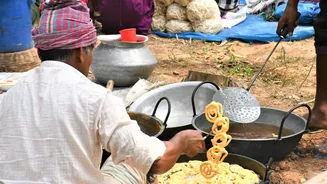
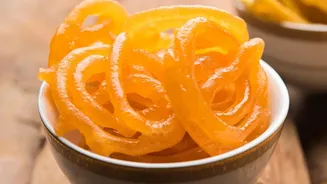
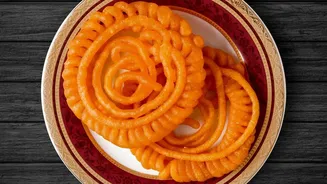
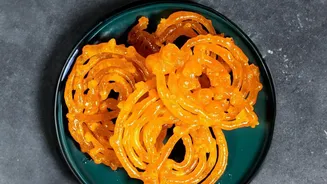
Just when you think the flavour journey is over, the jalebi makes its grand entrance. While poha is savoury and tangy, the jalebi offers a perfect, sweet counterpoint. These bright orange swirls of fried batter are soaked in sugar syrup and are best eaten piping hot, fresh from the kadhai. The crispiness of the jalebi, combined with its sugary syrup, cuts through the spices of the poha, creating a delightful contrast of textures and tastes. On paper, it seems an unlikely pair, but on the plate, it makes perfect sense, embodying the Malwa region's love for layered flavours.
More Than a Meal, It's an Identity
The poha-jalebi breakfast is more than just food in Indore; it's a cultural identity. You can find it on almost every street corner, from tiny stalls that have been running for generations since the 1940s to bustling food hubs like Chappan Dukan and the famous night-market-turned-breakfast-spot, Sarafa Bazaar. The dish is typically garnished with a vibrant mix of toppings that add another layer of complexity: finely chopped raw onions, fresh coriander, crunchy Indori sev (a type of spiced chickpea noodle), and sometimes pomegranate seeds. A final squeeze of lemon juice brings all the elements together. This combination is not just a dish but a story of migration, trade, and culinary innovation.