




A 'New Dawn' for Indian Space
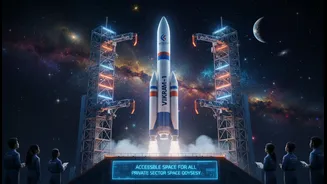
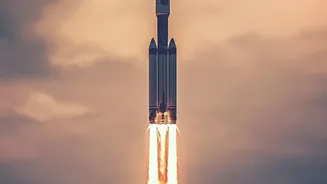
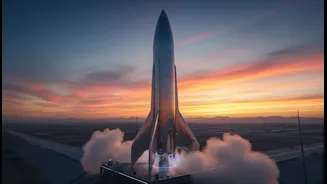
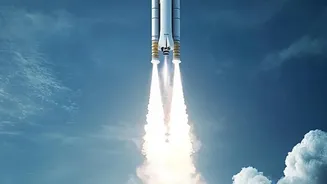
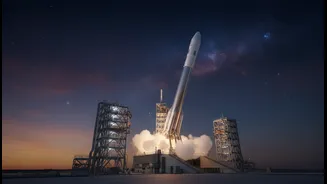
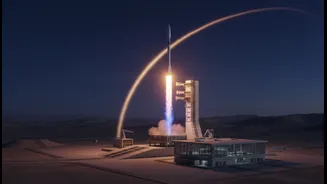
On July 18, 2026, Skyroot Aerospace's Vikram-1 rocket successfully lifted off, deploying several payloads into a 450-kilometre orbit. The mission, dubbed 'Aagaman' (Arrival), marked a pivotal moment, making India only the third country after the US and
China with a private company capable of orbital launches. Founded in 2018 by former ISRO scientists Pawan Kumar Chandana and Naga Bharath Daka, Skyroot's success is the culmination of years of effort and a signal of the country's soaring space ambitions. After a suborbital test flight in 2022, this orbital achievement has turned the industry's attention from a question of capability to one of scale. The focus is no longer just on building a rocket, but on building many of them.
From Craftsmanship to a Factory Floor
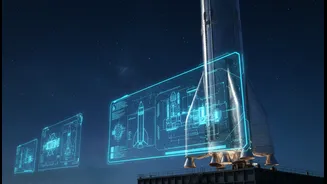
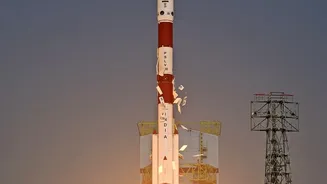
For decades, the Indian Space Research Organisation (ISRO) has been the sole driver of India's space endeavours, crafting reliable but bespoke launch vehicles for specific national missions. Skyroot’s goal to “industrialise” production represents a fundamental paradigm shift. Instead of building rockets like artisanal products, the aim is to create a streamlined, repeatable manufacturing process, much like a modern car factory. This involves using advanced techniques like 3D-printed engines and all-carbon-composite structures to slash production times and costs. The company has stated it is building a facility capable of producing one Vikram-1 rocket per month, a cadence that would transform India's launch capacity. This assembly-line approach is crucial for competing in the global small satellite launch market, where customers demand frequent, reliable, and affordable rides to space.
The Vikram Series: A Bet on Small Satellites
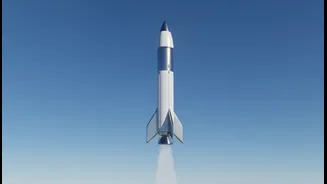
Skyroot's strategy hinges on its Vikram series of launch vehicles, named after the father of India's space program, Vikram Sarabhai. The Vikram-1 is a small-satellite launcher, designed to carry payloads of up to 350 kg to low Earth orbit. This targets a booming global market where constellations of small satellites for communications, Earth observation, and IoT services need dedicated, on-demand launches rather than waiting for rideshare slots on larger rockets. With the successful Aagaman mission, Skyroot has de-risked the core technologies. The company plans to follow up with more development flights before starting commercial operations, and is already developing the more powerful Vikram-2, capable of lifting 900 kg, to further broaden its market appeal.
The Government’s Push and the Private Boom
Skyroot's rise has been fuelled by a significant policy shift from the Indian government. Since 2020, the space sector has been opened to private enterprise, leading to a boom in startups. The establishment of IN-SPACe (Indian National Space Promotion and Authorisation Centre) created a single-window agency to facilitate, authorise, and regulate private space activities. This body has been instrumental, providing private firms like Skyroot with access to ISRO's invaluable testing facilities, technical support, and launch infrastructure. This public-private partnership allows ISRO to focus on deep-space exploration and national security missions while private players industrialise routine operations like satellite launches. The number of Indian space startups has surged from less than ten in 2018 to over 450 in 2026, attracting significant investment.
Challenges on the Path to Commercial Success
Despite the historic launch, the path forward is challenging. A single successful flight does not guarantee a commercially viable business. The key now is launch cadence and reliability. Skyroot must prove it can launch frequently and successfully to win the confidence of international customers. The global launch market is fiercely competitive, dominated by established players like SpaceX, which conducts over 90 launches annually. Furthermore, space ventures are incredibly capital-intensive. While Skyroot recently became India's first space-tech unicorn, raising over $160 million in total funding, the long-term investment needed to scale production and develop new vehicles is immense. Success will depend not just on technical prowess, but on navigating a complex landscape of global competition and securing a steady stream of launch contracts.