





Choosing Your Plant and Pot
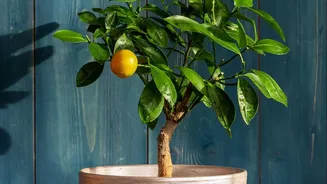
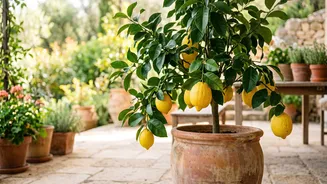
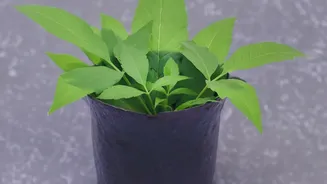
Your journey begins with selecting the right foundation: the plant and its home. Opt for a dwarf variety like a 'Meyer' lemon, which is naturally smaller and well-suited for container life. When choosing a pot, think big and prioritise drainage. A container that
is at least 12 to 15 inches wide and deep is a good starting point for a young tree. As the tree matures over the years, you will need to gradually move it to larger pots, eventually up to a 10-gallon size or larger. Ensure the pot has several large drainage holes, as citrus trees despise 'wet feet'—soggy soil that can lead to root rot. While classic terracotta pots are breathable and great for aeration, they also dry out quickly. Glazed ceramic or plastic pots retain moisture better, which can be an advantage in hotter climates.
The Perfect Soil Mix
Lemon trees are particular about their soil. Never use dense garden soil for a container plant, as it compacts easily and holds too much water, risking root suffocation. Instead, use a high-quality, well-draining potting mix specifically formulated for citrus or acid-loving plants. These commercial mixes provide the aeration and slight acidity that lemon trees crave. For those who prefer to create their own, a popular and effective recipe is the '5-1-1' mix. This consists of five parts pine bark fines, one part perlite, and one part potting soil. This blend ensures excellent drainage while retaining just enough moisture for the roots to thrive. Whatever you choose, avoid lining the bottom of the pot with gravel, as this can surprisingly hinder drainage over time.
Sunlight and Water Requirements
Lemon trees are sun worshippers. They require at least six to eight hours of direct, bright sunlight every day to flourish and produce fruit. A south-facing window is ideal for an indoor tree. If natural light is insufficient, consider supplementing with a grow light. When it comes to watering, consistency is key, but a fixed schedule is not. The best method is to check the soil. Water deeply and thoroughly only when the top two inches of soil feel dry to the touch. Pour water until it runs freely from the drainage holes, then empty any excess water from the saucer. Overwatering is a common mistake and can be more harmful than underwatering. During hot summer months, you may need to water every few days, while in the winter, once a week might be sufficient. If the leaves start to curl, it's a sign the plant is thirsty.
Feeding Your Tree for Fruitful Results
Container plants have limited access to nutrients and rely on you to provide them. Lemon trees, in particular, are heavy feeders and require regular fertilization during their growing season (spring through early fall). Use a balanced, slow-release granular fertilizer specifically designed for citrus trees. These formulas are high in nitrogen and contain essential micronutrients like iron, zinc, and manganese that standard fertilizers often lack. A good ratio to look for is 2-1-1 or 3-1-1. Apply the fertilizer every 4 to 6 weeks according to the package directions, watering it in well. It’s best to avoid fertilizing a newly repotted or stressed tree. Stop feeding your plant during the dormant winter months when growth slows down.
Pruning and Pest Management
Pruning helps maintain the tree's shape, encourages airflow, and promotes more fruit production. The best time to prune is after the main harvest in late winter or early spring. Trim any dead or crossing branches and thin out the canopy to allow light to penetrate the center of the tree. Also, remove any 'suckers'—vigorous shoots that grow from below the graft line on the trunk. Potted citrus trees can be susceptible to common pests like spider mites, scale insects, and mealybugs, especially when kept indoors. Regularly inspect the leaves, including the undersides. If you spot pests, you can often manage them by wiping them off or using a horticultural soap spray. Sooty mold, a black fungus that grows on the sticky residue left by pests, is another common issue; controlling the insects will usually resolve the mold.