




The Soul of the Festival
For many, Durga Puja is synonymous with a grand feast. While most of the country may be fasting during Navratri, cities like Kolkata come alive in a carnival of celebration where food is an integral part. The experience goes far beyond the delicious community
meals, or bhog, served at pandals. While the bhoger khichuri is an unmissable, soul-satisfying dish, the true culinary spirit of the festival spills out onto the streets. This is where travel becomes an adventure. Planning your trip around pandal-hopping is essential, but leaving your meal plans open allows you to connect with the local culture in a more spontaneous and memorable way. Food becomes a bridge to understanding a place's heritage and sharing in the collective joy.
A Street Food Pilgrimage
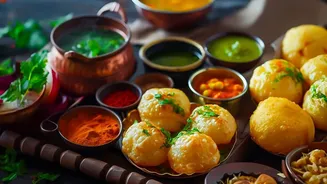
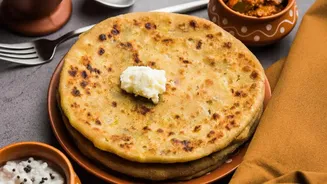
During Puja, the streets of Kolkata and other cities with large Bengali communities transform into bustling food destinations. This is your chance to embark on a street food pilgrimage. No evening of pandal-hopping feels complete without grabbing a Kathi Roll, a flaky paratha wrapped around a filling of egg, chicken, or paneer. Another quintessential snack is Phuchka, Bengal's beloved version of pani puri, where crowds gather to enjoy the tangy, spicy bursts of flavour. You'll also find stalls serving Ghugni, a hearty curry of dried peas topped with onions and chillies, and Kolkata's distinctive take on Chowmein, stir-fried with a unique tangy sauce. These dishes are more than just quick bites; they are a cherished part of the festive ritual, enjoyed by friends and families between pandal visits.
Beyond the Snacks
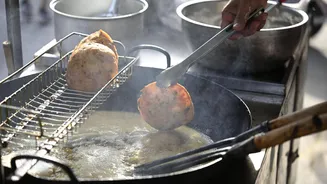
While quick snacks are perfect for on-the-go feasting, making time for a sit-down meal at a local eatery offers a different kind of reward. Look for smaller shops buzzing with locals to find authentic preparations that go beyond the standard tourist fare. Many restaurants design special Puja menus featuring classics like Kosha Mangsho, a rich, slow-cooked mutton curry, or Chingri Malai Curry, made with prawns in a creamy coconut milk gravy. For a taste of true Bengali comfort food, the combination of Luchi (fluffy, deep-fried bread) with Aloo Dum or Cholar Dal is a must-try. These meals, often perfected over generations, provide a delicious counterpoint to the energy of the streets and a deeper look into the region's culinary soul.
Sweet Endings and Festive Treats
No Bengali celebration is complete without mishti (sweets). During Puja, sweet shops are filled with an incredible variety of treats. Mishti Doi, a caramelized sweet yogurt served in earthen pots, is a signature delicacy. Then there is Sandesh, a delicate sweet made from fresh cottage cheese (chhena), which comes in many forms and flavours. And of course, there is the iconic Rosogolla, soft cheese balls soaked in sugar syrup. Trying these sweets from a neighbourhood mishtir dokan (sweet shop) is a cultural experience in itself. Many of these shops may be hidden away from the main thoroughfares, so don't hesitate to ask a local for their favourite spot.
How to Find the Real Flavours
Finding these local gems is part of the adventure. The first rule is to be curious. Look for the crowds; a long queue is almost always a sign of something good. Wander down the lanes near major pandals, as this is where many temporary stalls are set up. Don't be afraid to ask for recommendations—shopkeepers, volunteers at pandals, or even people you meet in a queue are often happy to point you toward their favourite local spots. While hotel restaurants offer convenience, stepping out into the neighbourhood allows you to support local businesses and experience the authentic, vibrant food culture that makes Puja travel so special.