



Why Our Reflexes Slow Down
Reflexes are the nervous system's high-speed internet, firing messages between your brain, spinal cord, and muscles. A simple reflex, like pulling your hand from a hot stove, is an automatic response. More complex reactions, like swerving to avoid a pothole,
involve processing and decision-making. As we age, a number of factors can contribute to a decline in this system. Nerve conduction velocity can decrease, muscle mass may reduce, and the brain's processing speed can become less efficient. It's not an inevitable freefall, however. Just like muscles, these neural pathways can be trained and maintained through targeted physical activity.
The Case for Skipping: High-Speed Training
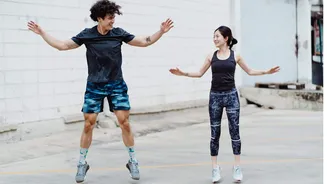
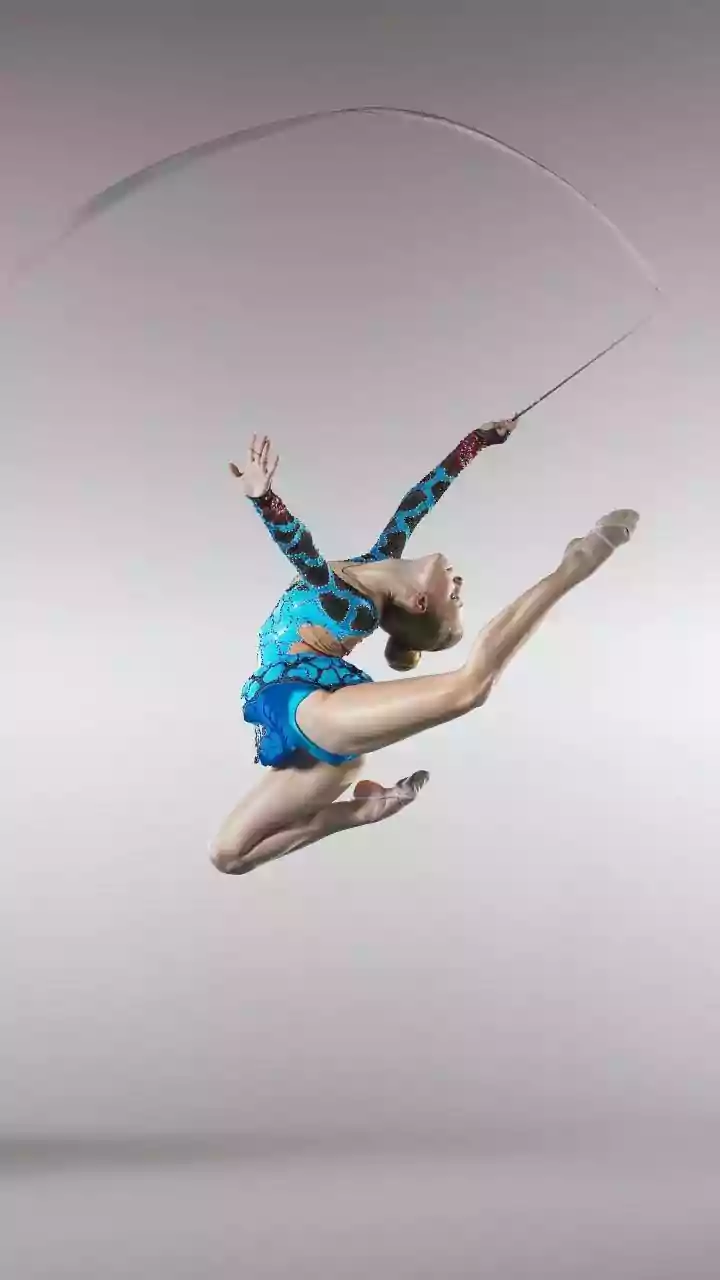
Skipping, or jumping rope, is a masterclass in coordination, rhythm, and timing. It forces your brain, hands, and feet to work in a rapid, continuous loop. This high-intensity cardio workout does more than just elevate your heart rate; it directly trains your neuromuscular system. The fast-moving rope requires your brain to make constant, split-split-second corrections based on feel and rhythm, not just sight. This builds fast-twitch muscle response and enhances reaction speed. Athletes like boxers have used skipping for a century for this very reason: it develops agility, light-footedness, and the ability to react instantly under pressure. Think of it as high-repetition training for your reflexes, sharpening the lines of communication between your brain and body.
The Case for Yoga: Mindful Body Awareness
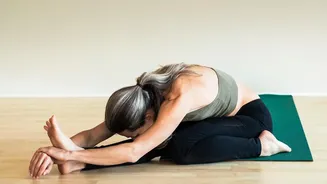
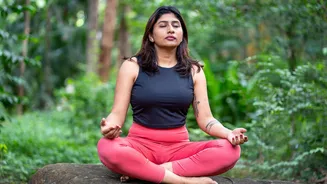
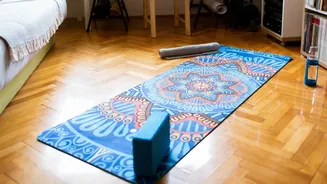
Yoga's contribution to reflexes is more subtle but equally profound. Its power lies in developing proprioception—often called the body's 'sixth sense'. Proprioception is your internal awareness of where your body is in space without having to look. It’s how you can touch your nose with your eyes closed. Yoga cultivates this through its focus on balance, alignment, and mindful movement. Poses like Tree Pose or Warrior III challenge your stability, forcing you to make tiny, constant muscular adjustments. This enhances the mind-body connection, improving your ability to control your body's movements precisely and prevent falls or misalignments. By heightening your sense of what your body is doing, yoga allows for a more controlled and intentional response to physical stimuli.
Head-to-Head: Speed vs. Stability
When pitted directly against each other for reflex improvement, skipping and yoga target different aspects of the same system. Skipping is about raw speed and explosive reaction. It trains your nervous system for rapid, repetitive, and rhythmic responses, making it excellent for improving the speed component of your reflexes. It's a 'go, go, go' activity that enhances cardiovascular health, which is also linked to better cognitive processing speeds. Yoga, on the other hand, is about control and stability. It enhances the quality of your movement by improving body awareness and balance. This leads to more efficient and safer reactions, reducing the risk of injury when you do have to move suddenly. Yoga teaches the body to respond with intention and precision, rather than just speed.
The Verdict: A Complementary Approach
So, which is better? The answer is that both are uniquely valuable, and the ideal routine likely includes elements of both. Skipping provides the high-intensity, reflex-sharpening cardio that trains your nervous system for speed. Yoga provides the mindfulness, balance, and proprioceptive training that ensures your reactions are controlled, efficient, and safe. If your primary goal is to improve quickness for sports or dynamic activities, skipping has a slight edge. If you are more concerned with stability, preventing falls, and developing a deeper connection to your body's movements, yoga is an excellent choice. For a truly holistic approach to keeping your reflexes sharp as you age, consider making room for both. Alternating days of high-energy skipping with restorative, centering yoga could be the ultimate combination for both mind and body.