







The Promise of a Seamless Journey
Indian airports are in the midst of a technological revolution. The most visible change is DigiYatra, a facial recognition system that promises a paperless and contactless travel experience. By creating a digital token of your identity, it allows you to walk
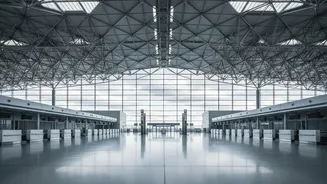
through dedicated e-gates at terminal entry, security, and even boarding without fumbling for your ID or boarding pass. The system, now operational at major hubs like Delhi, Mumbai, and Bengaluru, and expanding to over 100 airports, is designed to slash wait times at these notoriously crowded checkpoints. For many, it's a game-changer. Instead of standing in long queues for manual verification by CISF personnel, passengers can clear security in a fraction of the time, sometimes in under five minutes. This high-speed process is the “faster cabin ride” that modern travel promises—an efficient, futuristic glide through the airport’s first hurdles.
Where the Time Is Really Lost
The frustration begins when this newfound speed collides with old bottlenecks. Having cleared security in record time, passengers often find themselves in a new kind of queue: a slow-moving line at the boarding gate, a crowded tarmac waiting for a bus, or, most notoriously, an endless wait at the baggage carousel upon arrival. Passengers at airports like Pune have reported waiting nearly an hour for their luggage after a 50-minute flight. While the Bureau of Civil Aviation Security (BCAS) has mandated that the last bag should be on the belt within 30 minutes, this target is often missed. For international travellers, the immigration queue presents another significant hurdle. These departures often cluster in late-night waves, overwhelming the available counters and eating into the time saved earlier. And even with tech like DigiYatra, glitches can cause the entire system to crash, as seen at Kolkata airport, forcing everyone back into manual queues and creating chaos.
The Airport's Weakest Link
An airport is a complex ecosystem of independent entities: airport operators, airlines, ground-handling agencies, security forces (CISF), and the Bureau of Immigration all play a part. Speeding up one part of this chain without upgrading the others simply moves the congestion downstream. It’s a classic case of the Theory of Constraints: a system is only as fast as its slowest component. While DigiYatra streamlines the passenger verification managed by airport operators and security, it doesn't automatically speed up baggage handling, which is the responsibility of airlines and their ground staff. Similarly, the number of immigration officers on duty is a governmental decision, separate from the airport’s tech investments. The result is a lopsided experience. You are fast-tracked through the initial stages only to be brought to a halt by a part of the system that hasn't kept pace, whether due to outdated equipment, staffing shortages, or simply a lack of coordination between all the players involved.
Searching for a System-Wide Solution
Authorities are aware of these new pain points. The Airports Economic Regulatory Authority (AERA) has proposed a new framework to monitor wait times at every step of the journey, from check-in to baggage retrieval, and potentially penalise airports for failing to meet performance standards. On the baggage front, a concerted effort by BCAS and airlines at six major airports did show significant improvement, with the percentage of bags delivered within 30 minutes jumping from 62% to over 92% in a few months in 2024. However, consistency remains an issue, and passenger complaints persist. Other solutions being explored include smarter traffic circulation, such as moving app-cab pickup zones at Kolkata airport to decongest the arrival driveways. For the passenger, the chaos at the baggage belt is also a behavioural issue, with crowding making it difficult for anyone to retrieve their bags efficiently. Ultimately, true seamless travel requires not just isolated tech upgrades, but a holistic optimisation of the entire airport ecosystem.