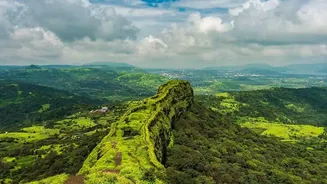






Embrace the Monsoon's Magic
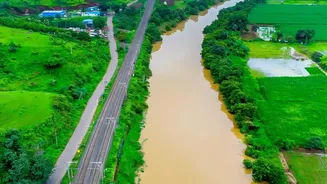
There's a reason why travellers from Mumbai, Pune, and beyond flock to Bhandardara between June and September. This quiet village in the Sahyadri ranges transforms into a vibrant green paradise. The Pravara River swells, feeding majestic waterfalls like
the powerful Randha Falls, which plunges 170 feet into a gorge. Arthur Lake mirrors the dramatic, cloudy skies, and the entire landscape is refreshed by the rain. However, this period also brings heavy downpours, thick fog, and the potential for travel disruptions. A successful trip isn't about avoiding the rain; it's about being prepared to work with it. The goal is to enjoy the stunning scenery while staying safe and comfortable, which requires a mindset of adaptability.
Plan for Fluidity, Not Firmness
A rigid itinerary is the enemy of a good monsoon trip. Instead of booking non-refundable hotels and scheduling every hour, build flexibility into your plans from the start. When booking accommodation, look for properties that offer flexible cancellation policies. This allows you to change your plans if a weather warning is issued or if roads are blocked. A centrally located stay can also be advantageous, providing easier access to multiple attractions when a window of clear weather appears. Rather than a minute-by-minute schedule, create a list of potential sights to see—like Wilson Dam, Umbrella Falls, and the ancient Amruteshwar Temple—and decide each day which are feasible based on the weather conditions.
Navigate the Roads with Caution
The drive to Bhandardara is scenic, with waterfalls and lush greenery flanking the route. However, monsoon conditions demand extra caution. Roads can be slippery, narrow, and enveloped in fog, significantly reducing visibility. It is highly advisable to travel during daylight hours and avoid driving at night. Before you set off, check the latest weather forecasts and any local alerts regarding road closures or landslides, which can be common in the ghats. If you’re not an experienced ghat driver, consider hiring a local taxi. Their familiarity with the terrain can make the journey significantly safer. A sturdy vehicle with good tyres is non-negotiable for navigating the wet and sometimes rough patches of road leading to and around the area.
Pack for Every Possibility
Your packing list can make or break a monsoon adventure. The priority should be staying dry and comfortable. Essential items include a reliable waterproof jacket and an umbrella. Opt for quick-drying clothes, as humidity is high and things take longer to air out. Sturdy, non-slip footwear is crucial for walking on wet and uneven paths, especially if you plan to visit viewpoints or walk near waterfalls. Because power cuts can occur during heavy rains, a fully charged power bank is a modern-day essential. Also, pack a basic first-aid kit and any necessary medications. Waterproof bags or covers for your electronics like cameras and phones will protect them from the constant moisture and spray.
Adopt a Slower, More Observant Pace
Sometimes the best part of a monsoon trip is doing nothing at all. If heavy rain washes out your plans for trekking or sightseeing, don't let it ruin your trip. The true charm of Bhandardara in the monsoon is its atmosphere. Find joy in the simple things: sitting on your balcony with a cup of hot tea, watching the clouds roll across the hills, listening to the sound of the rain, or reading a book. Many travellers find that these quiet, unplanned moments become the most cherished memories of their getaway. This slower pace allows you to connect with the destination on a deeper level, moving beyond a checklist of attractions to genuinely experience the season's unique character.