


What Exactly Is a Shaggy Lob?
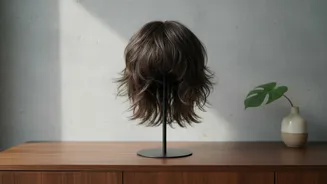
The shaggy lob is a perfect marriage of two classic haircuts: the lob (long bob) and the shag. A traditional lob is a sophisticated, often one-length cut that grazes the shoulders. The shag, popularised in the 70s, is defined by its heavy, choppy layers,
creating a textured, rock-and-roll vibe. Combine them, and you get the shaggy lob—a shoulder-length cut infused with dimensional layers that give it an edgy, lived-in feel. It has the structure of a bob but the playful, undone quality of a shag, making it a versatile and popular choice. Celebrities like Halle Berry, Sarah Hyland, and Jenna Ortega have all rocked variations of this look, proving its cool-girl appeal.
The Magic of Uneven Layers
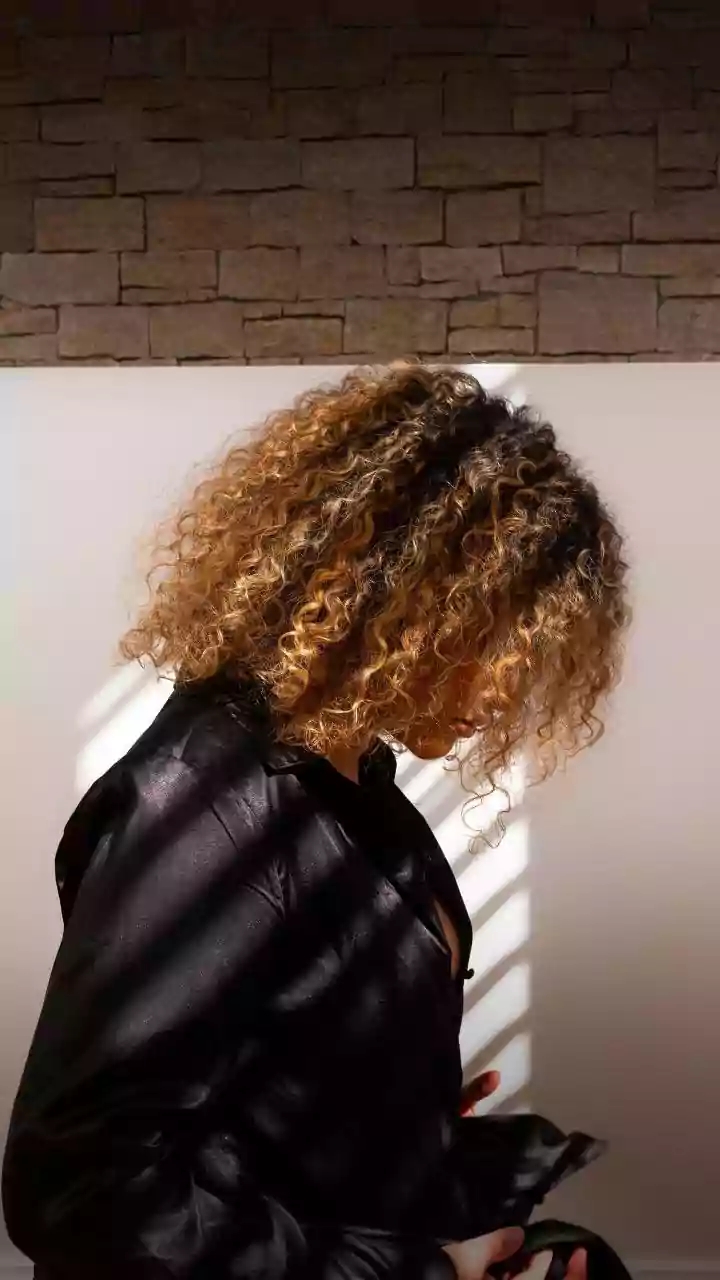
The core of the shaggy lob's success lies in its use of uneven, choppy layers. Unlike uniform layers that can sometimes lie flat, a shag utilises layers of varying lengths throughout the hair. Shorter layers, often starting around the crown, create lift and volume exactly where you want it, preventing the dreaded flat-top look that can happen with longer cuts. The longer, textured layers through the mid-lengths and ends add movement and break up any solid, heavy lines. This technique allows the hair to fall in a way that looks naturally full and airy, rather than bulky. For those with curly hair, these layers are especially beneficial as they can release the curl pattern and prevent the pyramid shape that often occurs with one-length cuts.
Is This Cut Right for You?
One of the greatest strengths of the shaggy lob is its versatility across different hair types. For those with fine hair, the layering can create the illusion of more body and thickness, but it's important not to over-layer, which can make the ends look thin. For thick hair, a shaggy lob is a fantastic way to remove weight and add shape without sacrificing length. If you have wavy or curly hair, this cut is a dream, as the layers enhance your natural texture and create beautiful definition. It’s also adaptable to different face shapes; longer, face-framing layers or curtain bangs can be added to soften features and customise the look.
Your Salon Cheat Sheet
To make sure you leave the salon happy, clear communication is key. The single best tool is a photo; bring several pictures of shaggy lobs you admire. When talking to your stylist, use descriptive words. Ask for a “shoulder-length lob with choppy, textured layers.” Mention you want it to look “lived-in” and “airy,” not blunt or heavy. It's also helpful to specify where you want the layers to start, for instance, requesting shorter layers around your face to frame it. Some stylists prefer using a razor for shag cuts to create a softer, more feathered texture, so you can ask if that's a technique they recommend for your hair type.
Styling Your Shaggy Lob at Home
The beauty of the shaggy lob is that it's designed to look effortlessly messy, making it surprisingly low-maintenance. Often, the best approach is to enhance your natural texture. Applying a lightweight mousse or a sea salt spray to damp hair and letting it air-dry can create perfect, undone waves. If you want more definition, use a curling iron on a few random sections of hair, alternating the direction of the curls to increase the texture and movement. A texturising spray or dry shampoo paste applied to the roots and mid-lengths will add grit and boost volume for that signature second-day hair look. The goal isn't perfection, but a relaxed, chic style that moves with you.