



What 'Core Strength' Really Means
Before comparing the two methods, it's important to understand what the 'core' actually is. It’s not just about the six-pack muscles (rectus abdominis) you see on the surface. Your core is a complex system of deep and superficial muscles that wrap around
your entire torso, including the transverse abdominis, multifidus, obliques, pelvic floor, and lower back muscles. True core strength is about creating stability for your spine and pelvis, allowing you to move efficiently and without pain in your daily life.
The Pilates Method: Inside-Out Stability
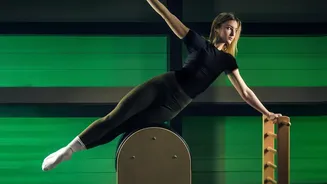
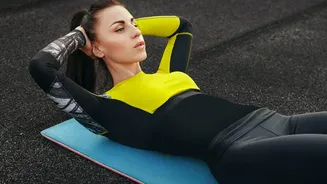
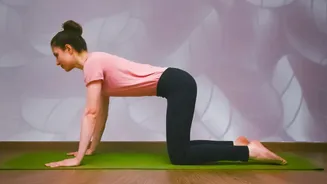
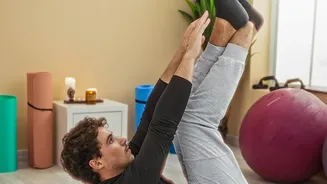
Pilates is a low-impact exercise system that prioritizes control, precision, and mind-body connection. Its primary focus is on strengthening the deep, internal core muscles that act as a natural corset for your spine. Think of it as building strength from the inside out. Through slow, deliberate movements, Pilates teaches you to activate and control these stabilizing muscles, which are often overlooked in more traditional workouts. This meticulous approach helps create a solid foundation for all other movements.
How Pilates Transforms Posture
Because Pilates targets the deep muscles responsible for supporting your spine, it is exceptionally effective for improving posture. By strengthening your 'powerhouse,' you develop the endurance to sit and stand taller without conscious effort. Pilates also enhances body awareness, helping you recognize and correct poor postural habits like slouching or forward head position. The exercises are designed to promote spinal alignment and flexibility, which can lead to reduced back pain and a more balanced, elongated appearance.
The Circuit Training Approach: Functional Power
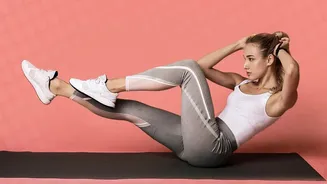
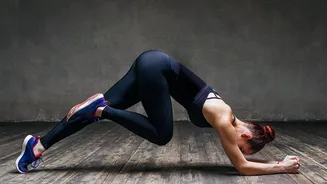
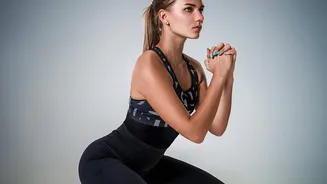
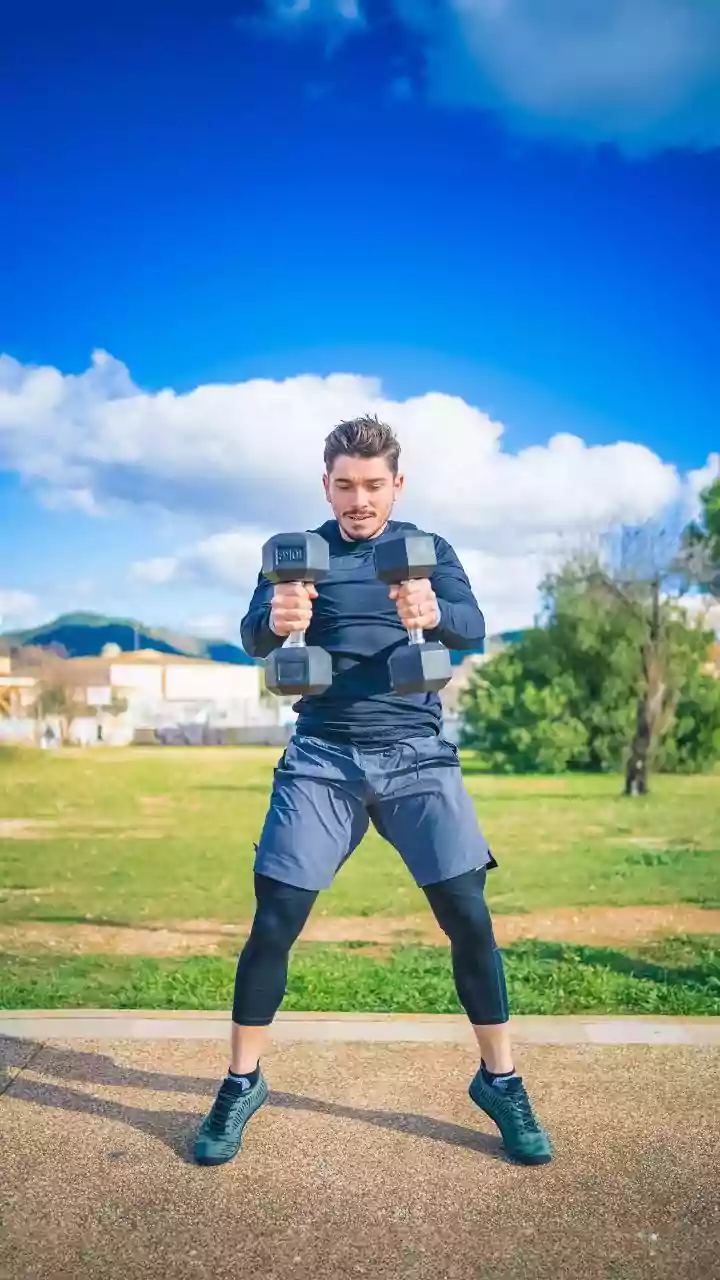
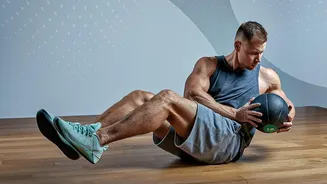
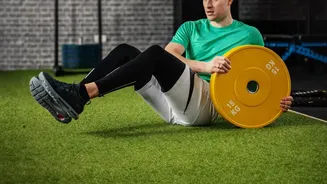
Circuit training is a high-energy workout style that involves performing a series of different exercises in quick succession with minimal rest. A typical circuit includes a mix of strength training, cardio, and functional movements like squats, lunges, push-ups, and rows. Instead of isolating muscles, circuit training often uses compound exercises that work multiple muscle groups at once. This makes it a highly efficient way to improve overall fitness, build muscle, and boost cardiovascular health simultaneously.
Core Strength in Circuits: Bracing Under Load
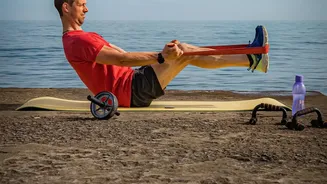
Circuit training builds core strength in a more dynamic, functional way. During exercises like a heavy farmer's carry or a squat to overhead press, your core muscles must work hard to brace and stabilize your trunk under load. This is less about slow, precise activation and more about teaching your core to provide robust support during powerful, real-world movements. While it may not target the deepest stabilizing muscles with the same precision as Pilates, it's excellent for developing a core that can handle force and resist unwanted rotation.
The Verdict on Posture
When it comes to posture, the two methods offer different benefits. Pilates is specifically designed for postural correction, building the deep muscular endurance needed for all-day alignment. Circuit training can also improve posture by strengthening the larger muscles of the back and core, but only if exercises are performed with excellent form. The fast-paced nature of circuits can sometimes lead to fatigue and compromised form, which, if not monitored, could reinforce poor postural habits. The key difference is that Pilates makes posture its primary goal, while in circuits, it's often a secondary benefit of good technique.
Which One Is Right for You?
The best choice depends entirely on your goals. If your primary aim is to improve posture, alleviate back pain, and build deep foundational stability, Pilates is the superior option. It's methodical, low-impact, and focused on alignment. If you're looking for a high-intensity, full-body workout that builds functional power and cardiovascular fitness, circuit training is an excellent choice. It strengthens your core in the context of dynamic, powerful movements. For a truly well-rounded fitness regimen, many people find combining the two—using Pilates for alignment and stability and circuits for power and conditioning—offers the best of both worlds.