



An Ocean World Far From Home
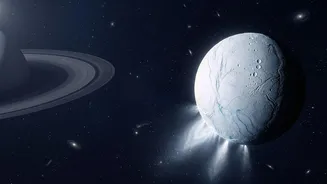
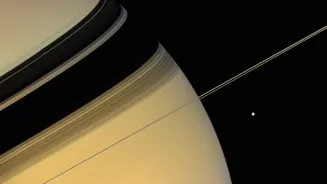
Enceladus might look like just another frozen ball of ice, but it's one of the most dynamic and promising worlds in our solar system. Beneath a thick crust of ice lies a vast, global ocean of liquid saltwater. What makes Enceladus truly special are the massive
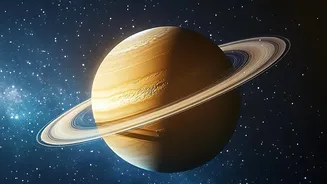
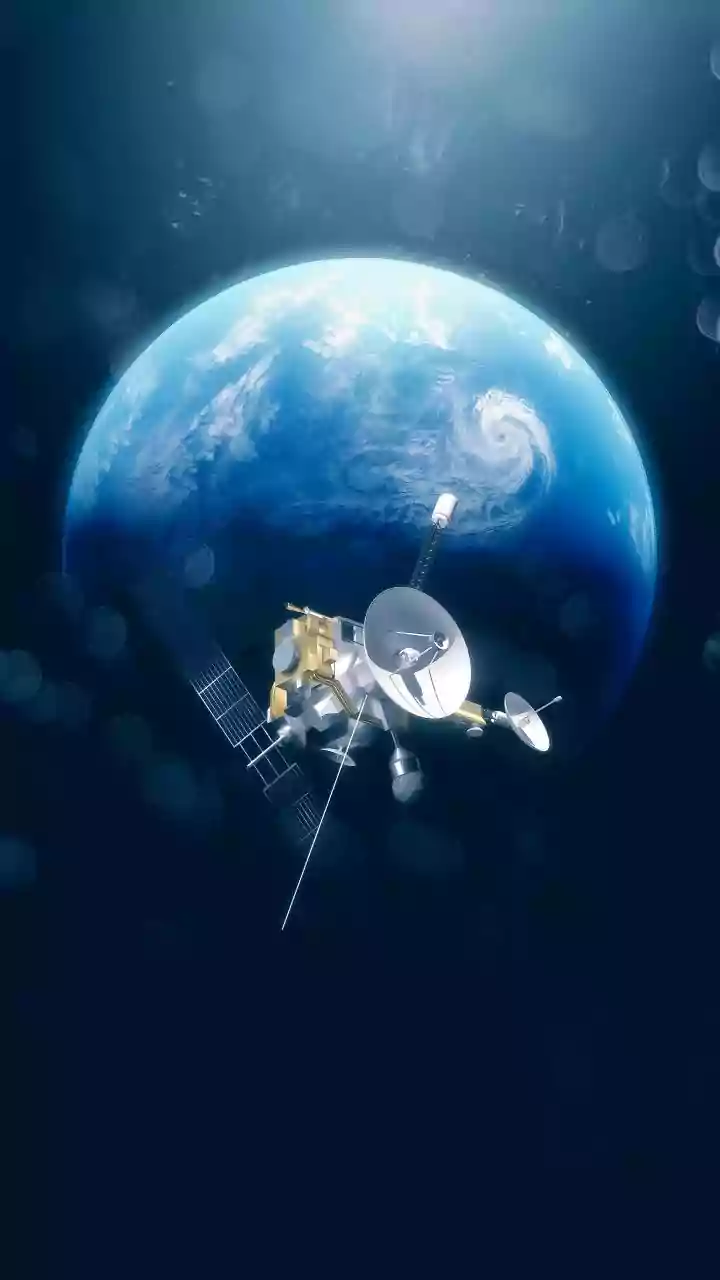
plumes of water vapour and ice particles that erupt from giant fissures near its south pole, nicknamed "tiger stripes". These geysers shoot material from the subsurface ocean hundreds of kilometres into space. This phenomenon gives scientists a unique opportunity. Unlike other ocean worlds where we would need to drill through kilometres of ice, Enceladus is actively serving up samples of its ocean for free. The Cassini spacecraft, which studied Saturn and its moons, flew directly through these plumes and detected water, salts, and crucial organic molecules—the basic building blocks of life.
Life in a Lab-Made Ocean
The latest breakthroughs come from two separate but related studies that significantly boost the case for life on Enceladus. The first experiment tackled a critical question: could anything actually survive in its alien ocean? Scientists in a lab recreated the chemical conditions thought to exist on Enceladus, based on data from the Cassini mission. This included an environment with no oxygen and a highly alkaline pH. They then introduced a type of Earth microbe known as a methanogen, which thrives near deep-sea hydrothermal vents where there is no sunlight. These organisms consume hydrogen and carbon dioxide to produce methane, a process called methanogenesis. Remarkably, the Earth microbes survived and grew in the simulated Enceladus ocean, suggesting that similar life forms could potentially exist there, powered by chemical energy from hydrothermal vents on the seafloor.
Finding a Needle in a Cosmic Haystack
Just because life could survive doesn't mean we can find it. That's where the second major finding comes in. Scientists were concerned that any 'biosignatures'—the chemical traces left behind by life, such as amino acids or lipids—would be too diluted in the vast plumes to be detected. However, a new analysis of Cassini data combined with lab experiments has revealed some good news. As water droplets travel from the ocean up through the cracks in the ice, they freeze slowly. This process naturally separates and concentrates different compounds, including organics, into individual ice grains. Essentially, Enceladus does the hard work of sorting and concentrating potential signs of life for us, making them much easier to detect. Instead of needing to analyse an average of the whole plume, a future spacecraft could analyse single ice grains and potentially find a highly concentrated biosignature.
What This Means for the Hunt
Together, these studies are a game-changer for astrobiology. They not only strengthen the case that Enceladus is habitable but also provide a clear roadmap for how to search for that life. We now have experimental evidence that organisms can tolerate the conditions and a model showing that evidence of their existence could be preserved and concentrated in the ice grains ejected into space. This makes Enceladus an even more compelling target for future missions. Several are already being planned, including a potential NASA mission, the Enceladus Orbilander, and a European Space Agency concept. These probes would be equipped with advanced instruments designed specifically to analyse individual ice grains and search for the complex organic molecules that could point to a living ocean world. The hunt for extraterrestrial life is no longer just a matter of looking at distant stars; it's about sending probes to our own cosmic backyard to scoop up ice from a tiny moon that might just be our most promising lead.