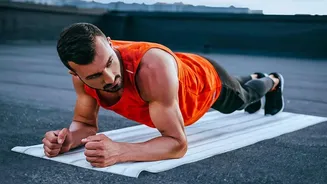




The Problem with the Basic Plank
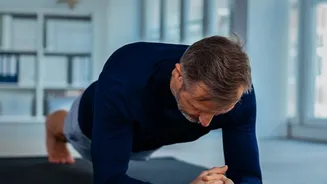
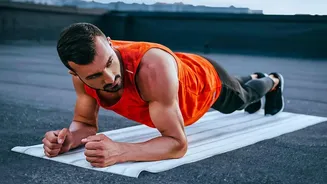
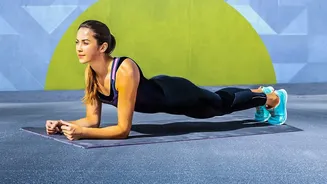
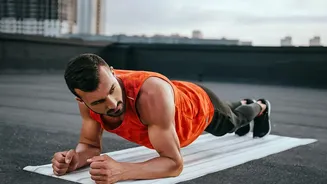
Holding a static plank is an isometric exercise, meaning you're contracting your muscles without moving. While this is great for building endurance in your core, it has its limits. Your body is incredibly smart and adapts quickly. Once you can comfortably
hold a plank for 60 seconds or more, the benefits start to plateau. The standard plank primarily targets the muscles on the front of your core, like the rectus abdominis. But your core is a 3D system, including your obliques (sides), lower back, and glutes. A static plank doesn't effectively challenge these other crucial muscles or prepare your body for the dynamic movements of everyday life, like twisting, bending, and lifting.
True Core Strength Is Dynamic
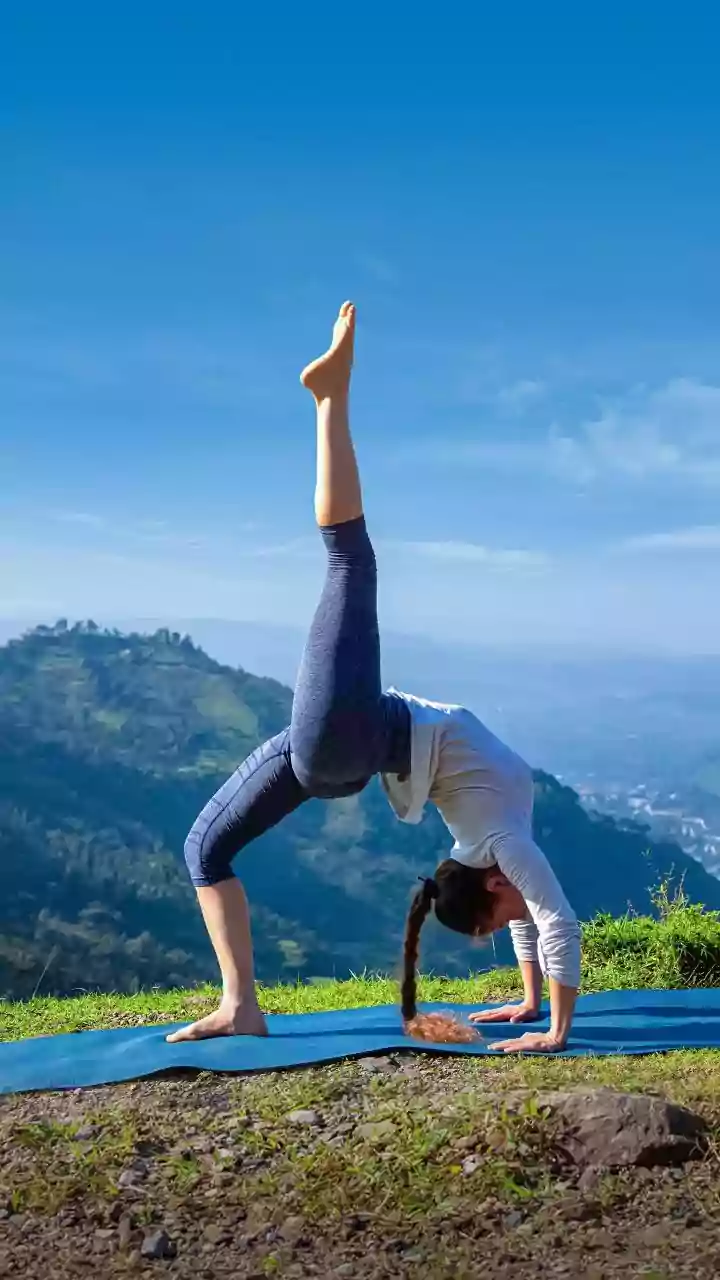
Functional core strength isn't just about having a six-pack; it's about creating a stable trunk that supports your spine and allows for powerful, efficient movement. To achieve this, you need to challenge your core from multiple angles and through different planes of motion. This is where plank variations come in. By adding movement or changing your body's position, you introduce instability. Your deep core muscles, like the transverse abdominis, are forced to work much harder to keep your torso from rotating or your hips from sagging. This 'anti-rotation' training is the secret to building a truly strong, resilient core and dramatically improving your posture.
Upgrade 1: The Side Plank
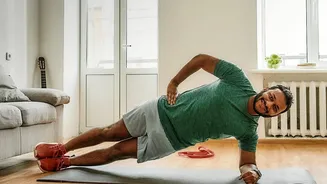
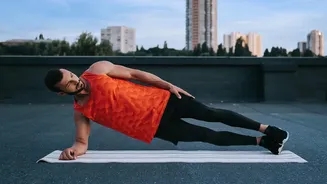
The side plank shifts the focus from the front of your abs to your obliques, the muscles running along the sides of your torso. These muscles are vital for spinal stability and preventing your lower back from taking on too much strain. Strong obliques also help with rotational power in sports and protect you from injury when you bend or twist. To perform it, lie on your side with your elbow directly under your shoulder and stack your feet. Lift your hips until your body forms a straight line from head to heels. Aim for equal time on both sides to avoid creating imbalances.
Upgrade 2: Plank with Arm Reach
This variation introduces a powerful element of instability. From a high plank (on your hands) or forearm plank, slowly lift one arm and reach it straight forward without letting your hips twist or rise. The simple act of removing one point of contact forces your core to fire on all cylinders to maintain balance. This move enhances core stability, shoulder strength, and body control. It directly trains your body to resist unwanted movement, which is a primary function of the core. Go slowly and focus on keeping your torso as still as a tabletop.
Upgrade 3: The Plank Row
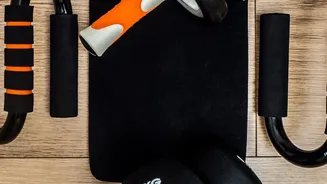
The plank row is a multi-functional exercise that builds a strong core and upper back simultaneously. From a high plank position with your hands gripping dumbbells, you row one weight up toward your chest while balancing on the other arm. This move challenges your anti-rotational strength and engages your lats—the large muscles of your back—which are a crucial part of your posterior core. Building a strong back is just as important for good posture as strong abs. If you sway too much, use a lighter weight or perform the movement with no weights at all.
Upgrade 4: The Copenhagen Plank
This advanced variation is a secret weapon for hip stability and targeting often-neglected muscles. To perform a Copenhagen plank, you assume a side plank position but with your top leg elevated on a bench or sturdy chair. This powerfully engages your inner thigh muscles (adductors) and deep hip muscles, which are critical for stabilizing the pelvis. Strong adductors and hips are essential for preventing groin injuries and lower back pain, especially for runners and athletes. Start with short holds of 10-20 seconds to build strength safely.
Putting It All Together
You don't need to do every variation in one workout. Instead of holding one long, static plank, try a circuit of dynamic planks. For example, you could perform 30 seconds of side planks on each side, followed by 45 seconds of plank with arm reaches, and finish with 45 seconds of plank rows. Focus on perfect form over duration. A 30-second plank with perfect form is far more effective than a 90-second one with sagging hips. Aim to incorporate these variations into your routine 2-3 times per week to build a core that's not just strong, but functionally fit for everything life throws at you.