


Meet the Contenders: Local vs. Global
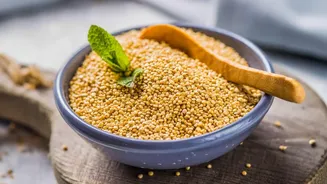
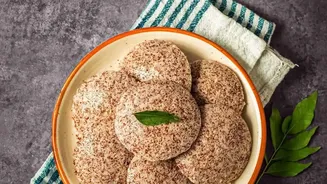
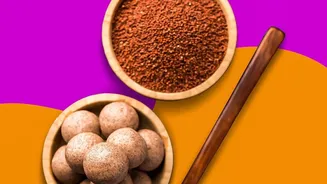
Ragi, also known as finger millet or nachni, is an ancient grain that has been a staple in Indian households for centuries, especially in the southern states. It's known for its resilience as a crop and its deep roots in traditional cuisine, from porridges
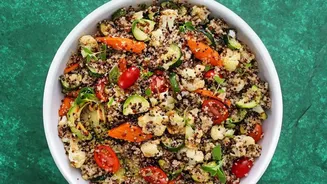
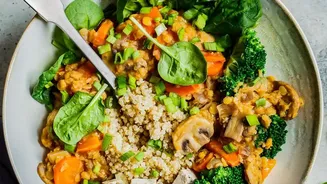
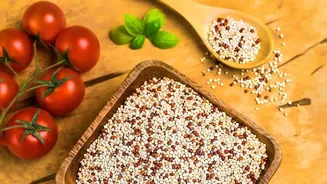
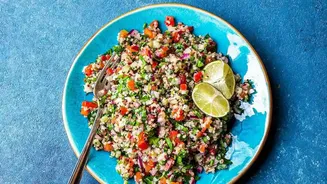
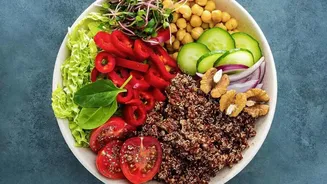
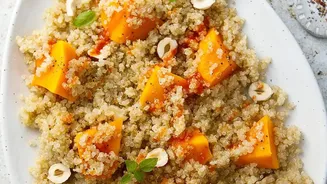
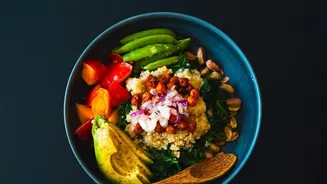
and rotis to dosas. Quinoa (pronounced 'keen-wah'), on the other hand, is a seed from South America that gained worldwide fame for its impressive nutrient profile. Often called a 'superfood', it's celebrated for its versatility and is typically used in salads, bowls, and as a substitute for rice.
The Protein Power Play
When it comes to protein, quinoa takes a clear lead. It provides about 13-14 grams of protein per 100 grams (uncooked), compared to ragi's 7-10 grams. More importantly, quinoa is considered a 'complete protein', meaning it contains all nine essential amino acids your body needs, a rare quality for a plant-based food. While ragi's protein content is still valuable, it is not complete. However, this is easily balanced in a typical Indian diet, where grains are often paired with dal (lentils) or curd, which together provide the full range of amino acids.
The Calcium Clash: Ragi's Clear Win
Here is where our local champion truly shines. Ragi is an absolute powerhouse of calcium. A 100-gram serving of ragi contains approximately 344-364 mg of calcium. In stark contrast, the same amount of quinoa offers around 47-198 mg. For a country where calcium deficiency is a common concern, especially among women, ragi provides an exceptional, plant-based source for strengthening bones and helping to prevent conditions like osteoporosis.
Fibre and Feeling Full
Both grains are excellent sources of dietary fibre, which is essential for good digestion, gut health, and creating a feeling of fullness that can aid in weight management. The numbers vary slightly across sources, but ragi generally has a slight edge, with some analyses showing it contains around 11 grams of fibre per 100g, while quinoa has about 7 grams. Other sources suggest quinoa has more fibre. Regardless, both are significant upgrades over refined grains like white rice, helping to prevent constipation and support a healthy digestive system.
The Blood Sugar Battle: Glycemic Index
For individuals managing diabetes or watching their blood sugar levels, the glycemic index (GI) is a crucial factor. Both ragi and quinoa are considered good choices as they have low GI values. Quinoa’s GI is around 53, while ragi’s is in a similar range of 54, meaning both release sugar into the bloodstream slowly, preventing sharp spikes. Their high fibre content further helps in regulating blood sugar, making both grains suitable for a diabetes-friendly diet.
Micronutrients and More
Beyond the major nutrients, both grains offer a wealth of minerals. Ragi is a notable source of iron, which is beneficial for preventing anaemia. Quinoa also contains iron, often in slightly higher amounts than ragi, along with being rich in magnesium and folate. When it comes to the practical side, however, there's a significant difference. Ragi is grown locally, widely available, and significantly more affordable than quinoa, which is mostly imported and sold at a premium price.
The Culinary Verdict: How to Use Them
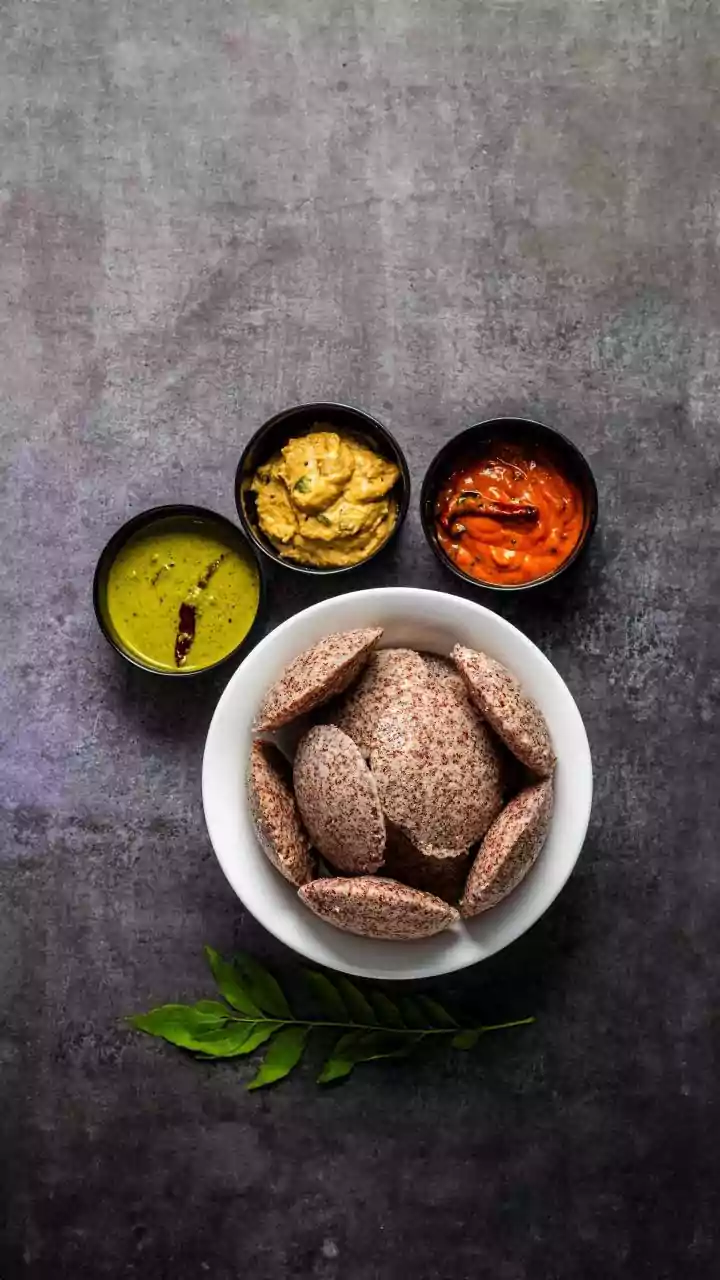
Both grains can be easily incorporated into an Indian kitchen. Ragi's slightly nutty flavour lends itself perfectly to traditional dishes. You can make ragi roti, dosa, idli, or a nutritious porridge (malt). Quinoa's fluffy texture and milder taste make it a great base for salads, upma, or as a direct replacement for rice in bowls and khichdi. The key is to see them not as rivals, but as versatile ingredients that can add diversity to your meals.