



The Invisible Ripener: What Is Ethylene?
Ethylene is a natural plant hormone, an odourless and colourless gas that plays a crucial role in the life cycle of produce. Think of it as a signal that tells a fruit it's time to ripen. This gas triggers changes in texture, colour, and flavour, turning
a hard, sour fruit into a soft, sweet one. While this is a normal and necessary process, the trouble begins when high-ethylene producers are stored next to produce that is sensitive to the gas. Continued exposure to ethylene after ripening doesn't just maintain perfect ripeness; it accelerates the process into aging, decay, and spoilage. This is the science behind the old saying, "one bad apple spoils the bunch"—an overripe apple releases a large amount of ethylene, causing others nearby to rot faster.
The Ethylene Producers: Know Your Culprits
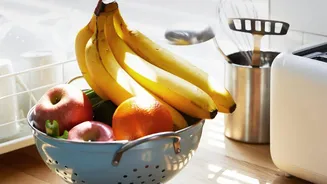
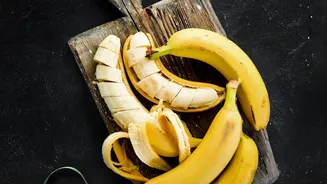
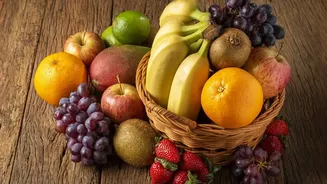
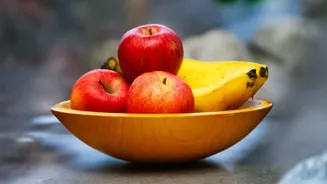
Some fruits and vegetables are notorious for producing high levels of ethylene gas as they ripen. Keeping these separate is the first step to a longer-lasting grocery haul. The most common high-ethylene producers found in Indian kitchens and markets include: Apples, Apricots, Avocados, Bananas (especially as they ripen), Mangoes, Peaches, Pears, Plums and Tomatoes. Melons like cantaloupe and honeydew are also significant producers. It's important to remember that ripening and damage can increase ethylene production; a bruised banana, for instance, will release more gas than an unblemished one. Storing these items on their own, away from other sensitive produce, is the most effective strategy.
The Ethylene-Sensitive Squad
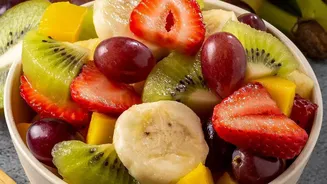
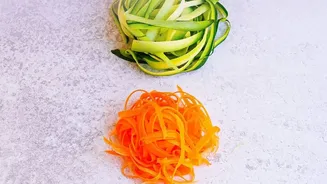
On the other side are the fruits and vegetables that are highly sensitive to ethylene. These items will wilt, yellow, soften, or sprout far more quickly when exposed to the gas. Protecting this group from the producers is essential for minimising food waste. Common ethylene-sensitive produce includes: Asparagus, Broccoli, Cabbage, Carrots, Cauliflower, Cucumbers, Eggplant, Grapes, Green Beans, Leafy Greens (like spinach and lettuce) and Potatoes (which can sprout). While some fruits, like apples and pears, are high producers, they are also sensitive to external ethylene, which can cause them to become mealy or soft. Unripe bananas also fall into this sensitive category.
A Smart Storage Strategy for Your Kitchen
Putting this knowledge into practice doesn't require a complete kitchen overhaul. It's about mindful separation. A great starting point is to avoid storing all your fruits and vegetables in one big bowl or a single refrigerator drawer. Designate one crisper drawer for ethylene producers (like apples and pears) and the other for sensitive items (like leafy greens and carrots). Many modern refrigerators have humidity controls on these drawers; a good rule of thumb is that vegetables prefer high humidity (vents closed) while fruits that rot easily prefer low humidity (vents open) to allow the ethylene to escape. Keep high-producers like bananas, tomatoes, and avocados on the counter, but away from sensitive items. Once fruits like peaches or pears are ripe, moving them to the fridge will slow down their own ethylene production and extend their life, but they should still be kept separate from vegetables.
Putting Ethylene to Work for You
Understanding ethylene isn't just about preventing spoilage—you can also use it to your advantage. If you have produce that is stubbornly under-ripe, you can strategically use an ethylene producer to speed things up. For example, to ripen a hard avocado, mango, or pear, place it in a paper bag with a ripe banana or an apple for a day or two. The paper bag traps the ethylene gas released by the banana or apple, creating a high-concentration environment that accelerates the ripening of the other fruit. This simple trick ensures you're not waiting days for your avocado to be ready for your toast or for your mango to be perfect for a lassi. It’s a smart way to control the ripening process on your own terms, turning a potential problem into a practical solution.