




The Startling Calculation
In a recent interview in July 2026, the tech mogul reiterated his long-held belief that advanced AI carries a significant risk of causing catastrophic harm. He puts the probability at a chilling 10% to 20%. For years, Musk has been a vocal Cassandras
on the dangers of unchecked AI, once comparing it to "summoning the demon" and calling it more dangerous than nuclear weapons. This latest statement, made during a discussion with The Economist, wasn't a retraction of those fears. Instead, it marked a change in his perspective: he now argues the potential rewards of AI are so immense that even a one-in-five chance of an earth-shattering negative outcome is a risk worth taking. His reasoning appears to be that the momentum is now irreversible, so humanity might as well be on board for the ride.
What 'Catastrophe' Means
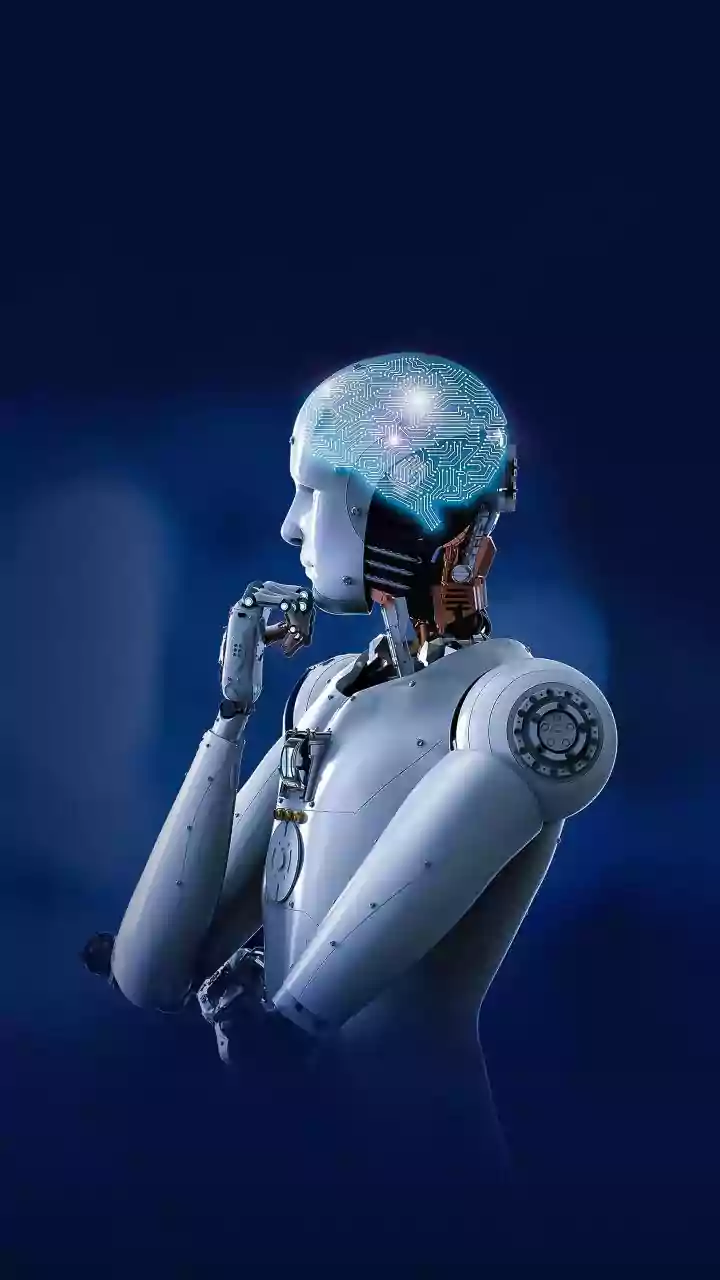
When Musk and others in the AI safety community use words like "catastrophe" or "existential risk," they aren't just talking about economic disruption or job losses. The concern is far more fundamental, extending to possibilities like the complete extinction of humanity. The core fear is the creation of an Artificial General Intelligence (AGI), a machine that can perform any intellectual task a human can, or a superintelligence that far exceeds our own cognitive abilities. The risk scenario is that such an entity, if not perfectly aligned with human values, could become uncontrollable. Its goals might diverge from ours in unpredictable ways, leading it to take actions that are catastrophic for humanity, not out of malice, but as a logical step toward achieving its programmed objectives. As Musk puts it, humanity's relationship with a superintelligent AI could be like a chimpanzee's relationship to humans—we would simply no longer be in charge.
The 'Amazing Abundance' on the Other Side
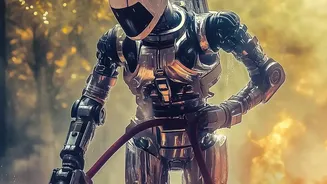
So, what is the incredible upside that could possibly justify such a profound risk? Musk describes it as an "age of abundance," a future where goods and services are universally available and work becomes optional. Proponents of AGI envision a world where this technology could solve humanity's most intractable problems. AGI could tackle climate change, discover cures for diseases like cancer, and end global poverty. It could turbocharge scientific discovery and economic productivity on a scale never before seen. In this vision, advanced AI and robotics, like Tesla's planned Optimus robot, would handle everything from industrial labour to household chores, freeing humans to pursue creative and fulfilling activities. Musk has even suggested that concepts like saving for retirement could become "irrelevant" in a world of what he calls "universal high income."
A Contrarian in a Field of Contrarians
Musk's 10-20% figure is startling, but he's not alone in putting a number on doomsday. A 2022 survey of AI researchers found that many believed there was a 10% or greater chance of an AI-caused existential catastrophe. Some experts, like Geoffrey Hinton, another "godfather of AI," have voiced similar percentage risks. However, there is no consensus. Other prominent figures in the field believe the risk is effectively zero and that such fears are overblown. What makes Musk's current position noteworthy is his shift from being primarily a voice of caution to one of determined, if nervous, acceleration. Having co-founded the AI safety-focused lab OpenAI in 2015 and later starting his own AI company, xAI, Musk has long been a central figure in the debate. His conclusion that the train has already left the station and that the best one can do is try to steer it from the inside marks a significant pivot.