



The Gleam of the Mainstream
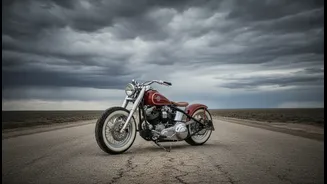
The quintessential cruiser motorcycle has long been a rolling sculpture of gleaming chrome and lustrous paint. It’s an aesthetic built on presence, where more is more: more shine, more comfort, more road-commanding size. These bikes are designed for long,
comfortable rides, with relaxed ergonomics, plush seats, and often, extensive features like saddlebags and large fairings. For many, this is the very definition of motorcycling freedom—a perfect, powerful machine ready for the open highway. The appeal is undeniable, representing a classic, almost nostalgic vision of two-wheeled travel. Yet, for a growing segment of the riding community, this polished perfection can feel impersonal and predictable, like a formula that leaves little room for individual expression.
An Unpolished Alternative
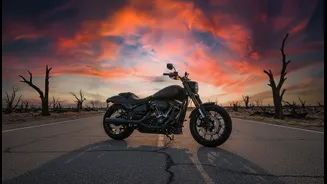
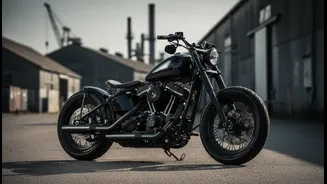
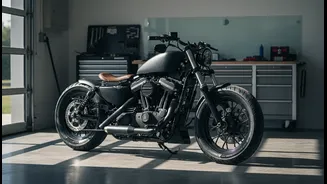
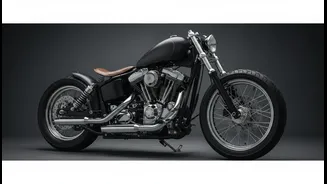
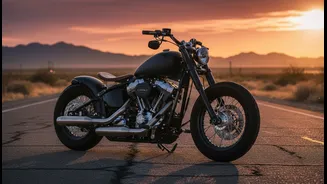
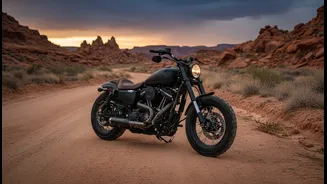
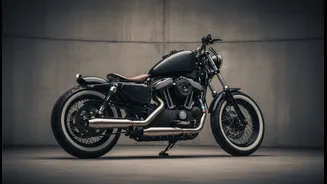
In response to this sentiment, there's been a significant shift towards a more minimalist, stripped-down aesthetic, often referred to as the 'bobber' style. The new Harley-Davidson Deadwood is a prime example of this trend, factory-built but channeling a custom, garage-built spirit. The Deadwood name itself is a nod to the rebellious history of early motorcycle rallies in the Black Hills of South Dakota, where returning GIs in the post-WWII era would strip their bikes of non-essential parts to make them lighter and faster. This motorcycle intentionally rejects the high-polish standard. Instead of chrome, it embraces a blacked-out finish on nearly every component, from the engine and exhaust to the handlebars and headlamp bucket. The result is a bike that feels more like a tool for riding than an object for display.
Design That Puts Riding First
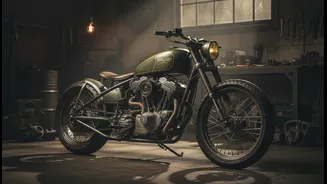
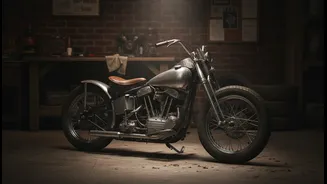
The design philosophy of the Deadwood and the broader bobber movement is 'less is more'. By removing extraneous parts like large fenders, passenger seats, and excessive trim, the focus returns to the core elements of the machine: the engine, the frame, and the wheels. The Deadwood features a solo tuck-and-roll seat that exposes the rear fender, giving it a lean, athletic profile. Its Denim Black paint and minimal graphics create a dark, subdued look that stands in stark contrast to flashy, multi-toned paint jobs. This intentional simplicity not only creates a raw visual appeal but also has a practical benefit: it makes the bike a blank canvas for personalization. Riders are encouraged to make the bike their own, rather than accepting a one-size-fits-all factory look.
A More Connected Experience
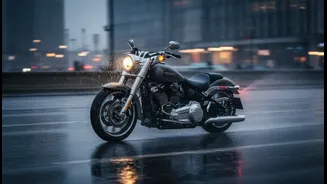
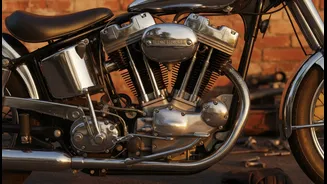
The appeal of a bike like the Deadwood goes beyond aesthetics; it's about the riding experience. Stripping away weight and non-essentials often results in a motorcycle that feels more nimble and responsive. With no fairing to block the wind and a low-slung profile, the rider feels more connected to the road and their surroundings. While it may not be designed for cross-country touring comfort like its more polished cousins, the Deadwood excels in providing a visceral, engaging ride. It’s powered by a Milwaukee-Eight 117 V-Twin engine, tuned for strong, accessible torque that delivers a satisfying punch without being intimidating. While it has a vintage soul, it quietly integrates modern technology like selectable ride modes, cornering ABS, and traction control, offering safety without cluttering the classic look.
For the Rider, Not the Collector
Ultimately, the Deadwood appeals to a rider who values authenticity and function over flash. It’s for someone who might spend more time riding their bike than polishing it. The trend away from chrome and toward blacked-out, minimalist designs reflects a generational shift in what riders want from a motorcycle. It's less about projecting an image of wealth or status and more about expressing individuality and a passion for the pure mechanics of riding. The Deadwood isn't trying to be everything to everyone. It is a purpose-built machine for a specific kind of rider: one who sees beauty in raw simplicity and believes a motorcycle's true character is revealed on the road, not in the showroom.