





The Science of Reheating
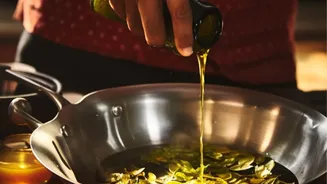
Every cooking oil has a 'smoke point', the temperature at which it stops shimmering and starts smoking. When you heat oil past this point, its chemical structure begins to break down. Reheating oil, especially multiple times, accelerates this process.
It leads to oxidation, creating unstable molecules called free radicals. These molecules can cause cellular damage in the body. Furthermore, repeated heating generates harmful compounds like aldehydes, trans fats, and Polycyclic Aromatic Hydrocarbons (PAHs). These substances are not present in fresh oil and their concentration increases with each reheating cycle, transforming a simple cooking medium into a potential health hazard.
Understanding the Health Risks
The compounds formed in reheated oil are linked to several health concerns. Free radicals and aldehydes contribute to oxidative stress and inflammation, which are root causes of many chronic diseases. Regular consumption of food cooked in repeatedly used oil has been associated with an increased risk of heart disease due to the formation of trans fats and plaque in the arteries. Some of the byproducts, like PAHs and certain aldehydes, are considered carcinogenic, meaning they have the potential to cause cancer. These compounds can also irritate the digestive system and lead to issues like increased acidity.
FSSAI Guidelines for Safety
Recognising these dangers, the Food Safety and Standards Authority of India (FSSAI) has set guidelines, particularly for commercial establishments. The FSSAI advises that cooking oil should not be reused more than three times. A key measure they use is Total Polar Compounds (TPC), which are harmful substances that form during frying. Oil with a TPC level above 25% is considered unsafe for consumption. While these rules are for large eateries, the principles are a valuable guide for home kitchens. The more you reuse oil, the higher the concentration of these harmful polar compounds.
Smarter, Safer Frying Habits
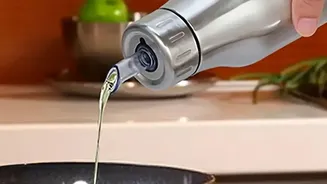
Completely avoiding reuse might not be practical, but you can minimise the risks. Firstly, try to use only as much oil as you need for the task to reduce leftovers. If you must reuse oil, do it only once or twice. After the first use, let the oil cool completely, then strain it through a fine sieve or cheesecloth to remove any food particles. These particles can burn upon reheating and speed up the oil's degradation. Store the strained oil in an airtight, opaque container in a cool, dark place away from the stove. Light and heat can make the oil go rancid faster.
When to Throw It Away
Your senses are your best guide for telling when oil has gone bad. If the oil has become dark, thick, or murky, it's time to discard it. Other warning signs include a rancid or 'off' smell, or if it foams excessively when you heat it. Also, be mindful of flavour transfer; oil used to fry fish, for example, will impart a fishy taste to anything else cooked in it. When it's time to dispose of the oil, never pour it down the sink, as it can clog pipes. Pour it into a sealed container and throw it in the rubbish.