




The Plank: A Deceptively Simple Powerhouse
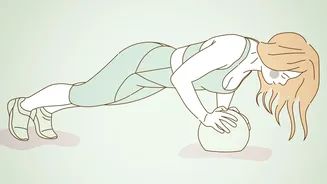
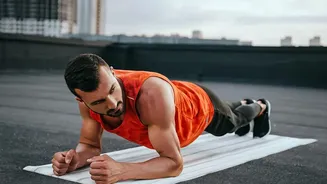
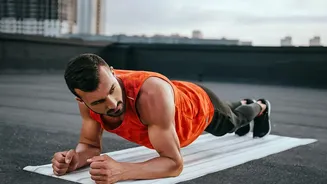
At its heart, Saina’s challenge, which came on the occasion of National Sports Day, focuses on one of the most effective bodyweight exercises: the plank. It's an isometric hold that engages multiple muscle groups at once, from your abdominals and back
to your glutes and shoulders. Experts note that the primary benefit isn't just about sculpting a flatter midsection, but about building deep core stability. This foundational strength supports your spine, improves posture, and enhances balance, which is crucial for both athletic performance and everyday activities. The improved posture and muscle engagement are what often give the appearance of a tightened core.
Why Short Challenges Create Long-Term Habits
A 29- or 30-day challenge feels manageable. Unlike a vague promise to “get fit,” it has a clear start and end point, which makes it less intimidating. This structure taps into powerful psychological principles of habit formation. Behavioural science describes a “habit loop” consisting of a cue, a routine, and a reward. The daily reminder is the cue, doing the plank is the routine, and the feeling of accomplishment (and the release of feel-good brain chemicals like dopamine) is the reward. By repeating this loop consistently, even for just a few minutes a day, you are wiring the behaviour into your brain until it becomes automatic.
Consistency Over Intensity
The secret ingredient in Saina’s challenge isn’t the difficulty of the exercise, but the commitment to repetition. Research consistently shows that when it comes to building a sustainable fitness habit, consistency is more important than intensity. Sporadic, high-intensity workouts are harder to stick with, whereas a moderate, regular routine is easier for your brain and body to adopt. A daily plank challenge embodies this principle perfectly. It’s a small, achievable win that builds momentum and self-efficacy. That feeling of success makes you more likely to continue, turning a short-term goal into a lasting part of your lifestyle.
How to Build Your Own Repeatable Routine
Inspired to start your own challenge? The key is to keep it simple and personal. First, choose an accessible exercise you can perform correctly. While the plank is excellent, it could also be squats, push-ups, or even a brisk walk. Second, start small. If a two-minute plank is too much, begin with 30 seconds and gradually increase the time. Experts emphasize that proper form is always more important than duration to prevent injury. A safe plank involves a straight spine and engaged glutes, without letting your hips sag. Finally, track your progress and celebrate the small wins. This reinforces the reward part of the habit loop and keeps you motivated.
Beyond the 29 Days
The purpose of a monthly challenge isn't just to endure it for a month and then stop. It's a launchpad. Once you've proven to yourself that you can stick with a daily commitment, you can build on it. You might extend your plank time, add another simple exercise to your routine, or use your newfound discipline to tackle other wellness goals. The confidence gained from completing a challenge like Saina’s can be transformative, providing the mental framework needed to integrate fitness into your life for good. It proves that you don't need a gym or complex equipment to make meaningful progress—just a floor, a little time, and the decision to show up every day.