

Powering Through the Night
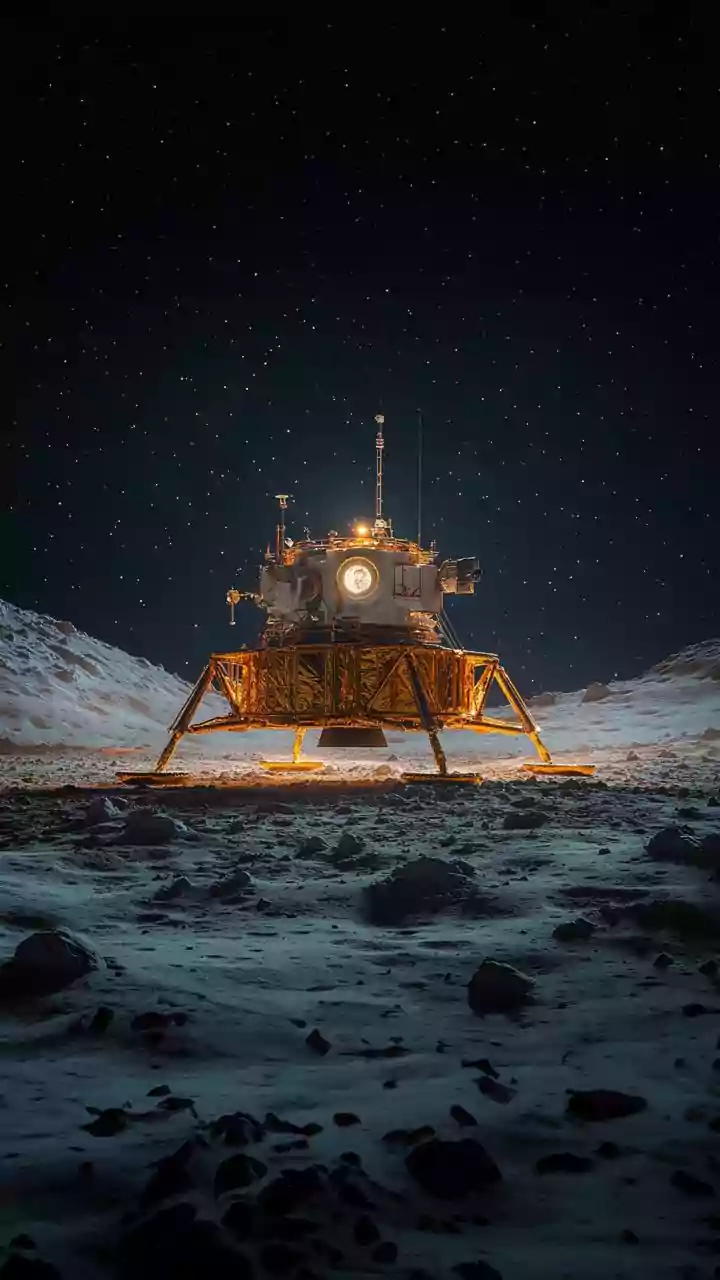
The biggest hurdle to a long-term lunar stay is power. The Moon's south pole, a target for its potential water ice, endures long, dark, and frigid nights lasting about two weeks. Solar power, while useful, isn't enough to sustain a base through this period.
To solve this, NASA is aggressively pursuing Fission Surface Power (FSP). In collaboration with the Department of Energy, the goal is to land a small nuclear reactor, Lunar Reactor-1, on the surface by 2030. These systems are designed to provide continuous, reliable power for at least a decade, regardless of sunlight, and are compact enough to be transported from Earth. A single unit could produce about 10-40 kilowatts, enough to power several households and, crucially, run the life-support and resource-gathering equipment astronauts will depend on.
Living Off the Land
The key to sustainability is cutting the umbilical cord to Earth. Shipping water, oxygen, and building materials is incredibly expensive, so astronauts must learn to 'live off the land' using In-Situ Resource Utilization (ISRU). A top priority is harvesting water ice believed to be trapped in permanently shadowed craters at the poles. This water can be used for drinking, growing plants, and, when split into hydrogen and oxygen, creating breathable air and rocket propellant. NASA is also developing techniques to extract oxygen directly from the lunar soil, or regolith, and even to pull metals like aluminum and iron from it. These raw materials could one day be used by 3D printers and construction robots to build everything from landing pads and roads to tools and habitat components, reducing reliance on costly Earth-based supply missions.
Advanced Mobility and Construction
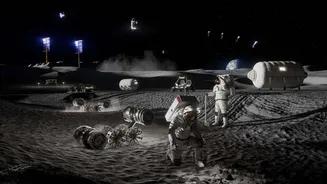
To find and process these resources, astronauts will need new ways to get around. NASA is moving forward with a nuclear-powered rover named PROMISE (Polar Rover for Observation, Mapping, and In-Situ Exploration). Unlike solar-powered rovers, PROMISE can operate through the long lunar night, allowing it to explore and map resources in the dark, cold regions of the South Pole. For construction, the agency is investing in robotic excavators and other autonomous systems. Concepts like the RASSOR (Regolith Advanced Surface Systems Operations Robot) are designed to mine lunar soil efficiently. These technologies will be foundational, providing the literal groundwork for an Artemis Base Camp by preparing sites, building berms for radiation protection, and assembling structures delivered from Earth.
A Robust Commercial Network
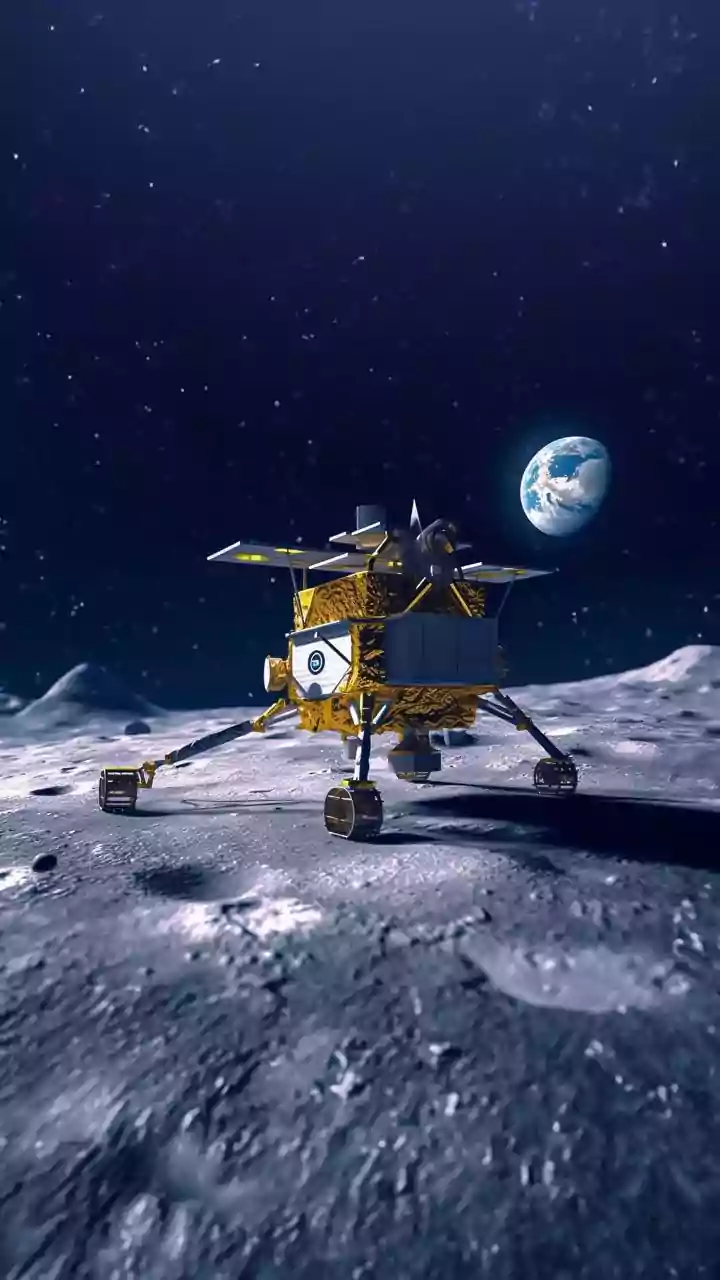
NASA isn't doing this alone; it's fostering a commercial space economy. The agency recently announced the next phase of its Commercial Lunar Payload Services (CLPS) initiative, bringing companies like SpaceX, Blue Origin, and others into the fold to compete for contracts to deliver cargo to the Moon. This approach builds a reliable delivery network for the science experiments, infrastructure components, and supplies needed to build out the base. NASA has also awarded contracts for specific components of its surface infrastructure, such as parts for a mini-communications and solar power tower called miniCAST, tapping into the innovation of specialized firms for power generation, energy storage, and wireless power transfer. This strategy aims to accelerate development by letting private industry handle the logistics, while NASA focuses on the larger exploration goals.