









The Hidden Risks in Your High-Tech Ride
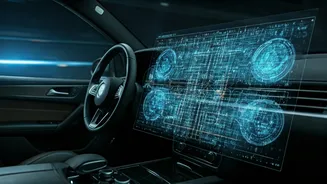
Modern luxury vehicles are more than just engines and leather seats; they are rolling data centres. They use millions of lines of code to manage everything from infotainment systems and navigation to critical driving functions like braking and steering.
This connectivity, while offering incredible convenience, also creates an 'attack surface' for hackers. Security researchers have demonstrated vulnerabilities that could allow malicious actors to remotely access vehicle controls, steal personal data, or create dangerous situations on the road by feeding cars false information. These aren't just theoretical problems; as cars become more automated, the risk of an attack causing real-world physical harm grows significantly.
India Gets a Digital Shield for Cars
Recognising these growing threats, India's Ministry of Road Transport and Highways (MoRTH) has proposed new rules to mandate cybersecurity for advanced vehicles. This marks a significant step towards securing the country's increasingly connected automotive ecosystem. The draft notification introduces new rules under the Central Motor Vehicles Rules, creating a framework for 'Cyber Security and Cyber Security Management Systems' (CSMS) and 'Software Update Management Systems' (SUMS). This aligns India with global best practices, particularly the UNECE regulations (R155 and R156) already implemented in markets like the European Union, Japan, and South Korea.
Decoding the New Cyber Safety Timeline
The government is rolling out these crucial safety measures in a phased manner. The first deadline is set for October 2026, targeting new models of vehicles with Level 3 or higher automation—think high-end luxury sedans like the Mercedes-Benz S-Class or BMW 7 Series. Existing models in this category must comply by April 2027. The timeline then expands. The next phase, beginning in April 2028, will cover all new vehicle models capable of receiving over-the-air (OTA) updates. By October 2029, the mandate will extend to nearly all vehicles that have any form of software update capability, effectively future-proofing the Indian car market against cyber threats.
What This Means for Luxury Car Buyers
For anyone buying a new luxury car in India, this is fantastic news. It means that global automakers, who already have to comply with similar strict rules in Europe and other regions, will be held to a high standard of cybersecurity for the vehicles they sell here. The regulations require manufacturers not just to build secure cars, but to manage their security throughout their entire lifecycle. This includes providing secure over-the-air (OTA) software updates to patch vulnerabilities, much like how your smartphone gets security updates. Essentially, it ensures the digital safety features of your car are as robust as its physical ones.
A Foundation for a Safer Automated Future
This new regulatory framework does more than just protect individual cars; it builds a foundation of trust. As we move towards a future with more semi-autonomous and fully autonomous vehicles, ensuring they are protected from malicious attacks is non-negotiable. By requiring a certified Cybersecurity Management System (CSMS), the government is ensuring that manufacturers have a structured, risk-based approach to security from the design stage to post-production. This systematic oversight is crucial for managing the complex software supply chains involved in modern car manufacturing and for responding effectively to any new threats that emerge.