








The Immediate Spark: A Major Crackdown
The latest wave of concern was triggered in early September 2026 when the Food Safety and Standards Authority of India (FSSAI) took decisive action against a major food producer, CG Foods India. The regulator ordered the company to halt the production
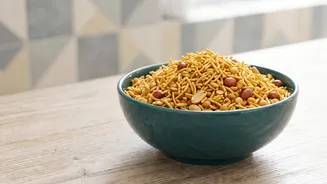
of its 'veg bhujia namkeen' at a facility in Ajmer, Rajasthan, following an inspection that revealed alarming violations. According to FSSAI, the issues included unlicensed manufacturing, predated packaging, and severe hygiene deficiencies. This was not a minor administrative issue; it was a matter of public health. The action has since cast a spotlight on the wider, often opaque, manufacturing practices within India's massive savoury snacks market.
Unpacking the Disturbing Findings
The details from the FSSAI inspection were particularly concerning for consumers. The regulator alleged that the unit was reprocessing broken noodles that had been collected from the floor and turning them into bhujia products, reportedly without proper heat treatment. This practice poses a significant risk of contamination. Furthermore, inspectors found expired finished goods on-site and identified that some products were being manufactured without the necessary license. As a result, the FSSAI seized over 32,000 kg of stock, including loose noodles and expired products, and has initiated legal proceedings against the company. These findings highlight how problems in the production chain are not always visible to the consumer who picks a sealed packet off the shelf.
A Broader Push for Transparency
This specific enforcement action is part of a larger, ongoing effort to make packaged foods in India safer and more transparent. For years, public health advocates and the Supreme Court have been pushing for clearer front-of-pack labelling (FoPL) to help consumers identify foods that are high in salt, sugar, and fat. In late August 2026, the FSSAI proposed a new system to the Supreme Court: a red, hexagonal warning label. This label would clearly state if a product is “HIGH IN SALT,” “HIGH IN SUGAR,” or “HIGH IN FAT.” Namkeen and bhujia, which are often high in salt and fried in oil, would likely be subject to these new labelling rules. The aim is to give consumers a simple, at-a-glance warning about the nutritional content of their food, cutting through marketing claims.
Beyond Hygiene: The 'Nutrients of Concern'
While the CG Foods case centred on hygiene and licensing, the broader scrutiny on namkeen involves its core ingredients. Many packaged Indian snacks use palm oil due to its low cost and long shelf life. However, palm oil is high in saturated fats, which are linked to increased risks of heart disease when consumed in excess. Coupled with high sodium (salt) levels, a regular diet of these snacks can contribute to significant health issues like high blood pressure. The FSSAI's proposed labelling regulations are designed to tackle this very issue, forcing brands to be more upfront about these 'nutrients of concern' and potentially encouraging them to reformulate their products to be healthier.
What Should Consumers Do?
This news does not necessarily mean you need to banish all namkeen from your pantry. Instead, it serves as a powerful reminder to be a more discerning shopper. Start by reading the nutritional information on the back of the packet, paying close attention to sodium and fat content. When the new red hexagonal labels are introduced, use them as a guide to make healthier choices. Opt for baked snacks over fried ones where possible and practice moderation. Finally, consider purchasing from trusted local brands or organised retailers with a reputation for quality control. Being an informed consumer is the best defence against poor manufacturing practices.