






A Dish Born From The City's Grind
To understand the pav, you must first understand the bhaji. Pav bhaji was born in the 1850s, not as a delicacy, but as a practical solution for Mumbai’s textile mill workers. These workers had brutally short lunch breaks and needed a meal that was quick,
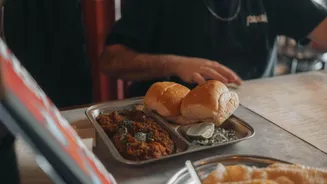
cheap, and nourishing enough to fuel them through hours of strenuous labour. Street vendors created a fast food marvel: they mashed together leftover vegetables on a large, flat griddle called a tawa, added a potent mix of spices, and served it with a soft bread roll. The pav, a local adaptation of Portuguese bread ('pão'), was the perfect utensil—soft enough to soak up the gravy and sturdy enough to be eaten on the move. It was the original fast food of Mumbai, built for a city that never stops.
The Golden Touch of Butter
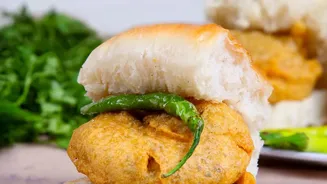
The original meal was functional, but Mumbai's spirit is anything but utilitarian. Over time, as the dish moved from the mill districts to the city's beaches and bustling 'khau gallis' (food alleys), it evolved. A simple meal became an indulgence, and the key to this transformation was butter. A generous dollop dropped onto the sizzling bhaji became standard, but the masterstroke was toasting the pav in butter on the same tawa. This simple act does several things at once. It creates a textural contrast: a slightly crispy, golden exterior gives way to a pillowy-soft interior. It adds a layer of rich, salty flavour that beautifully cuts through the spice of the bhaji. And, most importantly, it allows the pav to become a flavour vehicle, soaking up the masala and butter from the griddle before it even touches the main curry.
An Edible Symbol of Aspiration
The lavish use of butter, particularly Amul butter, became a signature of Mumbai street food. It signifies more than just flavour; it represents a kind of everyday luxury and prosperity. For many, eating street food is a treat, and the sight of a vendor adding a large slice of butter is part of the theatre and the promise of a rich, satisfying meal. The buttered pav elevates the dish from a humble worker's lunch to an experience craved by people from all walks of life. It reflects the city's own journey—a story of humble beginnings transformed into something vibrant and aspirational. The rhythmic clang of the masher on the tawa and the sizzle of butter are the sounds of Mumbai's culinary heart.
The Perfect Culinary Partnership
Without the buttered pav, pav bhaji is incomplete. The bhaji on its own is a flavourful but one-dimensional mash. The plain pav is merely a piece of bread. Together, however, they create a symphony. The soft, buttery bread is the perfect counterpoint to the spicy, complex vegetable mash. It’s a dish that mirrors the character of Mumbai itself: a blend of diverse elements coming together to create something uniquely satisfying. It’s fast, it’s flavourful, and it carries the stories of generations, from the textile mills of the 19th century to the bustling, modern metropolis of today. The buttered pav isn’t just an ingredient; it's the bridge that connects the past to the present, turning a simple meal into an undeniable icon.