




A Once-in-a-Dozen-Year Wonder
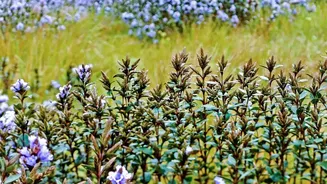
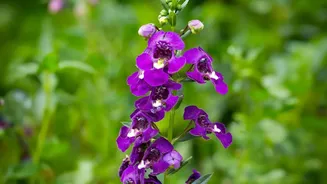
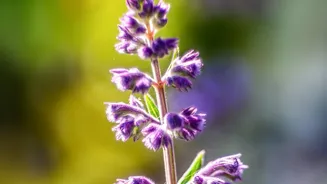
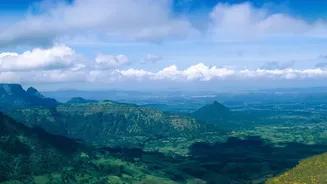
The Neelakurinji, or Strobilanthes kunthiana, is a shrub found only in the high-altitude shola grasslands of the Western Ghats in Kerala, Karnataka, and Tamil Nadu. Its fame comes from its unique life cycle: it blooms gregariously only once every 12 years
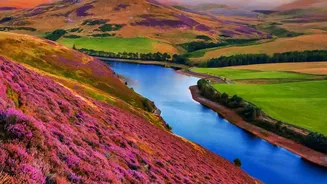
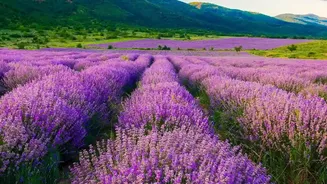
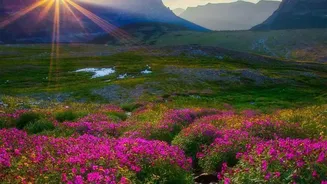
before the plants die, leaving behind seeds for the next generation. This synchronized mass flowering transforms entire hillsides into a stunning carpet of violet-blue flowers, a phenomenon that gave the Nilgiri Hills, or 'Blue Mountains', their name. Following the last major event in 2018, the next significant bloom for this species is eagerly awaited in parts of Munnar during 2026. This spectacle draws nature lovers and tourists from around the world, eager to witness the landscape's dramatic transformation.
A Fragile Beauty Under Threat
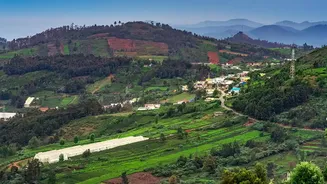
This natural wonder is facing serious threats. The Neelakurinji was recently classified as a 'Vulnerable' species by the IUCN. Its fragile shola grassland habitat is under immense pressure from human activities. Scientists report that nearly 40% of its original habitat has already been lost to tea plantations, urbanization, and the spread of invasive species like eucalyptus. Unregulated tourism, especially during the brief blooming season, adds another layer of stress. Uncontrolled visitor numbers can lead to the trampling of young plants, soil erosion, and waste accumulation, disrupting the delicate ecological balance necessary for the Neelakurinji to survive. The increased risk of human-wildlife conflict is also a major concern, as the blooming sites are often located in elephant corridors.
Strict Rules for Responsible Viewing
To protect this endangered species and its habitat, authorities have put strict regulations in place, which are enforced with renewed vigour during the blooming season. The Forest Department has made it clear that the Neelakurinji is a protected plant. Plucking the flowers or damaging the plants is a punishable offense that can lead to a hefty fine of up to ₹25,000 and even imprisonment. Visitors are reminded that these plants will not grow outside their specific high-altitude ecosystem, making any attempt to take them home futile and destructive. Key protected areas like Eravikulam National Park are designated as plastic-free zones, and visitors are prohibited from bringing food, smoking, or consuming alcohol within the park boundaries.
How to Be a Mindful Visitor
Experiencing the Neelakurinji bloom is a privilege that comes with responsibility. The key is to be a mindful tourist. Always stick to the designated paths and viewing areas to avoid trampling the delicate plants. Private vehicles are often not allowed inside the core zones; instead, visitors are transported on shared buses to minimize environmental impact. To manage the crowds, authorities are planning to use app-based booking systems to regulate the number of visitors to popular sites like Chokramudy and Meesapulimala. Cooperate with these measures, avoid making loud noises, and never feed or disturb the local wildlife, including the endangered Nilgiri Tahr that shares this habitat. Remember the simple rule: leave no trace. Carry your waste back with you and help preserve the pristine beauty of the landscape.