





Meet the African Sour Fig
The African Sour Fig, known scientifically as Carpobrotus edulis, is a succulent plant native to South Africa. It's also called Hottentot Fig or Cape Fig. This hardy plant is a creeper, forming dense mats over coastal dunes and rocky areas. It produces
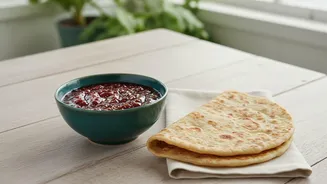
large, bright yellow or pinkish flowers and a fleshy, edible fruit. For centuries, indigenous communities in South Africa, like the Khoi people, have used the plant for both food and medicine. The fruit is eaten fresh or made into jams and chutneys, noted for its sweet and sour taste. The juice from its thick, triangular leaves has a long history in traditional medicine, where it's used as an antiseptic for skin issues like burns, wounds, and insect bites, and taken internally for sore throats and digestive troubles.
The Power of Antioxidants
To understand the excitement around this plant, it helps to know a little about antioxidants. In simple terms, antioxidants are molecules that protect our bodies from damage caused by harmful molecules called free radicals. When free radicals build up, they cause a state of “oxidative stress,” which is linked to a range of chronic health problems, including heart disease and cancer. Our bodies have their own antioxidant defenses, but we also get them from food. Many plant-based foods, especially colorful fruits and vegetables, are rich in compounds like flavonoids and phenols, which have antioxidant properties. This is why you often hear advice to “eat the rainbow.” Research has confirmed the Sour Fig is rich in these types of compounds, which is what led scientists to investigate its potential.
What the Lab Results Show
Several scientific studies have put extracts from the African Sour Fig to the test. In these experiments, researchers use various chemical methods to measure antioxidant activity. Studies using extracts from the plant's leaves have consistently shown strong antioxidant and free-radical scavenging abilities in laboratory settings. For example, research has demonstrated that these extracts can effectively neutralize reactive molecules like hydrogen peroxide and nitric oxide radicals. The levels of antioxidant activity were found to be significant, sometimes comparable to standard antioxidants used for reference in lab tests. This is what the headline refers to: a measurable, confirmed antioxidant capacity. However, all these tests share a critical limitation.
The Key Caveat: 'In Vitro' vs. 'In Vivo'
The phrase “outside the human body” refers to in vitro studies, which means “in glass.” These are experiments conducted in a controlled lab environment like a test tube or petri dish. They are an essential first step in scientific research because they allow scientists to isolate variables and get clear, fast results. However, what happens in a test tube doesn't always happen in the human body. In vivo studies, which are conducted inside a living organism, are much more complex. When you eat something, its compounds are subjected to digestion and metabolism. Factors like bioavailability—how much of a substance is actually absorbed and used by the body—play a huge role. A compound that looks powerful in a petri dish might be broken down by stomach acid or fail to be absorbed into the bloodstream, rendering it ineffective. So, while the in vitro results for the Sour Fig are promising, they are not proof of health benefits in humans.
So, What's the Takeaway?
The research on the African Sour Fig is exciting and provides a scientific basis for its long history of traditional use. The plant clearly contains powerful bioactive compounds. But it’s important to maintain perspective. This is a common story in nutritional science: a plant shows promise in the lab, but jumping from that to calling it a proven remedy is a big leap. More research, especially human clinical trials (in vivo studies), is needed to determine if consuming Sour Fig or its extracts can deliver measurable antioxidant benefits to the body. While the fruit is edible, the plant is considered invasive in many parts of the world outside of its native South Africa, so widespread cultivation isn't always encouraged. For now, the best-supported advice for boosting your antioxidant intake remains a diet filled with a wide variety of fruits and vegetables, rather than chasing a single 'miracle' food.