





Understanding the Glycaemic Index
The glycaemic index (GI) is a scale from 1 to 100 that ranks carbohydrate-containing foods by how much they raise blood sugar levels. Foods with a low GI score are digested and absorbed more slowly, leading to a gradual rise in blood sugar and insulin
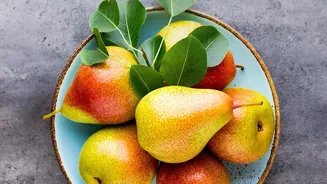
levels. This is particularly important for individuals managing diabetes or prediabetes. Pears, or nashpati, consistently fall into the low-GI category, with a score typically ranging from 20 to 49. This low score is largely attributed to their high fibre content, which slows down the absorption of sugar into the bloodstream, helping to prevent sharp spikes.
The Nutritional Power of Nashpati
Beyond its favourable GI score, nashpati is a nutritional powerhouse. A single medium-sized pear contains around 6 grams of dietary fibre, which is more than 20% of the daily requirement for many adults. This includes soluble fibre like pectin, which nourishes beneficial gut bacteria and improves digestive health. Pears are also a good source of Vitamin C, Vitamin K, potassium, and protective antioxidants like flavonoids. Some studies suggest that the anthocyanins found in the skin of certain pear varieties may even play a role in reducing the risk of type 2 diabetes and protecting heart health.
Why Your Blood Sugar Response Can Differ
This is where the headline's crucial caveat comes in. While the GI provides a general guideline, it doesn't predict how every single person will react to a food. Groundbreaking research has shown that individual blood sugar responses to identical meals can vary dramatically. Several factors contribute to this personalisation of nutrition. Your unique gut microbiome composition plays a massive role in how you metabolise foods. Other elements like your insulin sensitivity, sleep quality, stress levels, time of day, and even hormonal fluctuations during a menstrual cycle can alter how your body processes the sugar from a nashpati.
Smart Ways to Enjoy Nashpati
Knowing that your mileage may vary, you can adopt several strategies to enjoy nashpati while keeping your blood sugar as stable as possible. First, always eat the fruit whole with its skin, as that's where much of the beneficial fibre and antioxidants are concentrated. Avoid fruit juices, which strip away the fibre and lead to a much faster sugar rush. A brilliant strategy is to pair the fruit with a source of protein or healthy fat. Enjoying a few slices of nashpati with a handful of almonds or a piece of cheese can slow down sugar absorption even further. Finally, be mindful of portion sizes; a small to medium pear is a standard serving.
Listen to Your Body
The most accurate way to understand how nashpati affects you is to monitor your own body's response. For those with diabetes or prediabetes who use a continuous glucose monitor (CGM) or finger-prick tests, this is straightforward. You can eat a pear and see what your personal data shows. For others, it's about paying attention to how you feel after eating. Do you feel sustained energy, or do you experience a quick burst followed by a slump? General dietary advice is an excellent starting point, but personalised knowledge is the key to true metabolic health. The fact that some people spike after eating a banana while others don't is a perfect example of this bio-individuality at play.