







The View to 2027: A Volatile Range
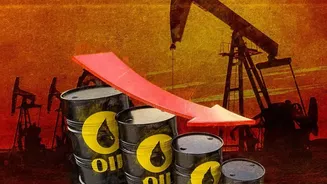
S&P Global Energy anticipates that crude oil prices will likely remain in a broad range of $80 to $100 per barrel through 2027. Their baseline forecast projects Brent crude, the global benchmark, to average around $86 in 2027. However, this figure represents
a midpoint in a field of possibilities. The headline number, while useful, masks a significant degree of underlying volatility. Other analysts highlight this uncertainty, with some scenarios seeing prices fall into the $60s if Middle Eastern production recovers faster than expected, and others seeing a spike to $125 if supply disruptions persist. This wide forecast spectrum underscores the core message: the future of oil prices isn't a fixed point, but a dynamic range influenced by a constant tug-of-war between supply and demand pressures.
The Shifting Sands of Supply
The primary reason for this uncertainty lies firmly on the supply side of the equation. Geopolitical factors, particularly in the Middle East, are a major wildcard. Ongoing conflicts and tensions have led to reduced crude oil and condensate exports from the region, with S&P Global estimating that output is unlikely to return to pre-war levels by the end of 2027. These disruptions have a direct impact on shipping and insurance costs, which have soared, adding further inflationary pressure on the global economy. At the same time, the market is watching the strategic decisions of OPEC+, the alliance of oil-producing nations led by Saudi Arabia and Russia. This group has been managing production levels to stabilize markets, and their future actions will be critical in determining whether the market faces a surplus or deficit. Counterbalancing these risks is the robust growth in non-OPEC production, particularly from the United States, Brazil, and Guyana, which could introduce significant new supply and temper prices.
Demand, Inventories, and Other Wildcards
While supply gets the headlines, demand remains a crucial part of the outlook. OPEC has noted a strange market dislocation, with demand growth in 2026 nearly stalled, but poised for a sharp rebound in 2027. This expected surge is not just from consumption but from a massive post-conflict inventory rebuilding effort. Global crude inventories have been significantly depleted, and the race to replenish both commercial and strategic reserves will act as a major source of demand. Furthermore, the health of the global economy plays a pivotal role. Higher-than-expected economic growth could boost demand, while a slowdown could dampen it. Weaker demand expectations are already factoring into some forecasts that see a potential market surplus by 2027. The pace of the energy transition, including the adoption of electric vehicles, also looms in the background as a long-term factor that will gradually reshape global oil consumption patterns.
What It Means for India
For India, a nation that imports over 85% of its crude oil, these global forecasts are of critical importance. Fluctuations in the price of oil have a direct and significant impact on the Indian economy. Elevated crude prices widen the country's current account deficit, put downward pressure on the rupee, and fuel domestic inflation as transportation and manufacturing costs rise. A sustained period of high oil prices, as some scenarios suggest, could strain government finances, forcing choices between absorbing the cost, increasing fuel subsidies, or passing the price hike on to consumers at the pump. This directly affects household budgets and can dampen consumer spending, impacting overall economic growth. Therefore, the 'what ifs' in S&P Global's outlook—from geopolitical stability in the Middle East to OPEC+ production quotas—are not distant concerns, but key variables that will shape India's economic trajectory over the next few years.