





What is the SOLVE Motor?
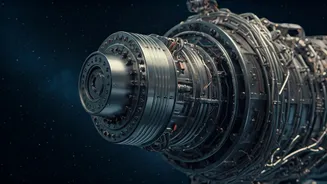
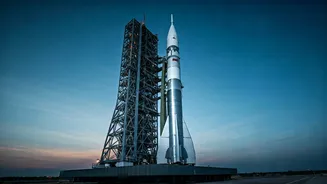
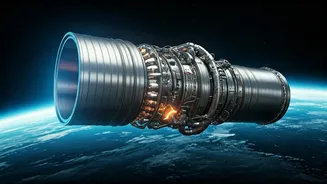
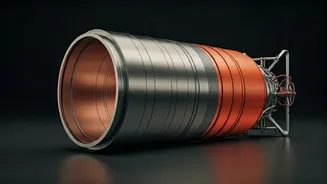
The SOLVE motor is the heart of a new rocket named the Sub-Orbital Launch Vehicle for Experiments. Developed by the Indian Space Research Organisation (ISRO), this vehicle isn't designed to go into orbit. Instead, it serves a very specific and critical
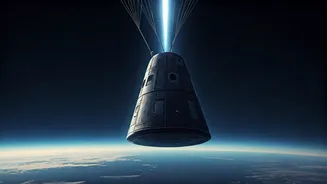
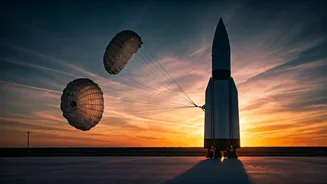
purpose: to act as a high-altitude test platform. Its main job will be to carry a replica of the Gaganyaan crew module to an altitude between 10 and 17 kilometres and release it. This allows engineers to repeatedly test one of the most vital components of any human spaceflight mission: the deceleration system. The SOLVE motor itself is a clever adaptation of existing technology. It is derived from the solid strap-on boosters used on ISRO's highly reliable Polar Satellite Launch Vehicle (PSLV). However, it has been modified with features like a slower-burning propellant and a new steering system to meet the unique requirements of these crucial test flights.
A Fiery Success at the Spaceport
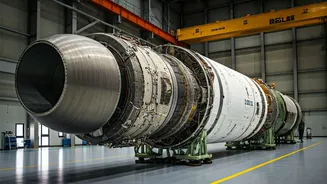
On July 3, 2026, engineers at the Satish Dhawan Space Centre (SDSC) in Sriharikota conducted the first ground-based static fire test of the SOLVE motor. In these tests, the rocket motor is strapped down to a massive test stand and fired, but it doesn't go anywhere. The goal is to measure its performance on the ground before it's ever cleared for flight. For the duration of the test, a battery of sensors measured key parameters like thrust, pressure, and burn time. ISRO confirmed that the motor's performance was exactly as predicted by their design simulations, marking the trial a complete success. This successful test validates the motor's design and gives ISRO the confidence to proceed with building the full SOLVE vehicle for flight tests.
Why This Test is Crucial for Gaganyaan
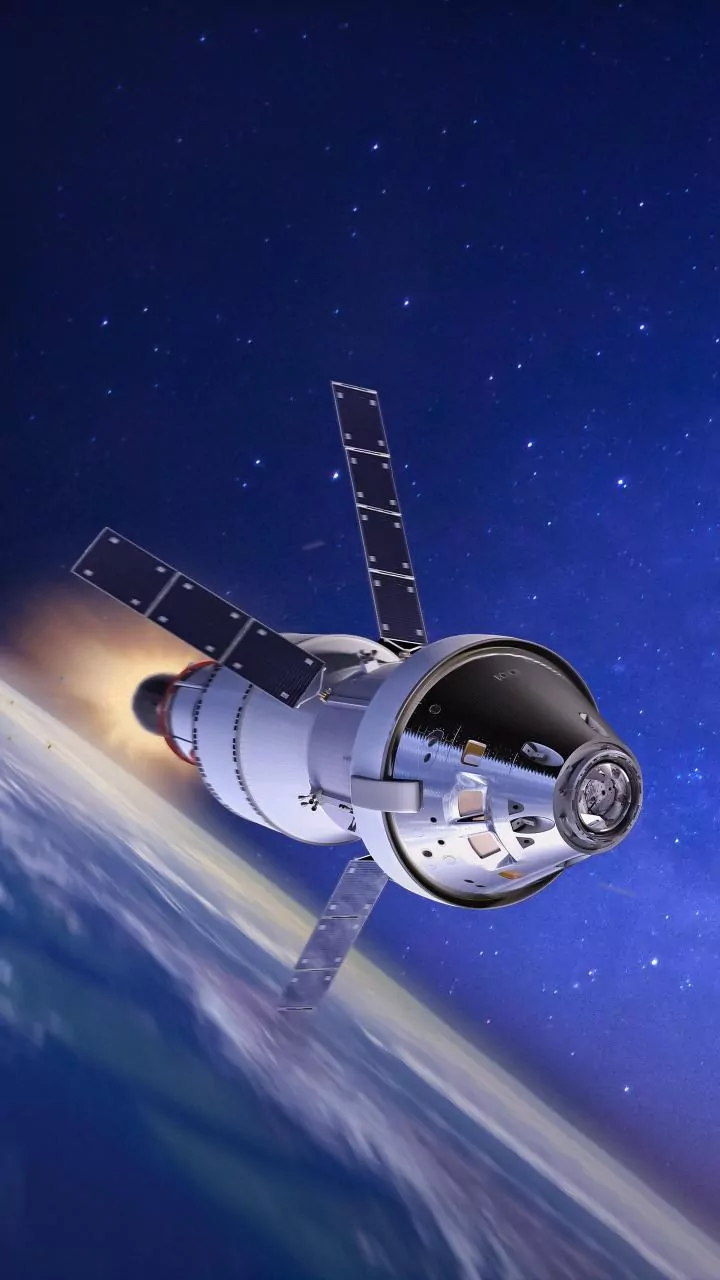
The success of the SOLVE motor test is directly linked to the safety of Indian astronauts. The Gaganyaan mission aims to send a crew of three into a 400 km orbit and bring them back safely to Earth, landing in the Indian Ocean. The most perilous part of the return journey is the final descent. The crew module will re-enter the atmosphere at tremendous speed, and its velocity must be drastically reduced for a safe splashdown. This is achieved through a complex sequence of parachutes. The SOLVE vehicle will allow ISRO to test this entire parachute system—involving a sequence of 10 different parachutes—in real-world conditions, by dropping the module from high altitude. Having a dedicated, low-cost test vehicle like SOLVE provides the flexibility to conduct numerous tests, simulating various flight conditions and ensuring the parachute system is robust and reliable before the first astronaut flies.
The Road Ahead
With the motor's ground performance now validated, the next phase involves integrating it into the full SOLVE vehicle. This will be followed by a series of flight tests from Sriharikota. During these sub-orbital flights, the vehicle will loft the Gaganyaan test module to the target altitude, after which the parachute deployment sequence will be initiated and monitored. Each successful test will build a mountain of data and confidence, paving the way for the first uncrewed, and eventually crewed, Gaganyaan flights. This methodical, step-by-step approach is a hallmark of ISRO's engineering philosophy, which prioritises safety and reliability above all else. This achievement is part of a broader push by ISRO to develop new and more powerful propulsion systems, including advanced semi-cryogenic engines, to boost India's payload capacity and its share in the global space market.