



The Allure of Going DIY
The internet is filled with aesthetically pleasing videos of people whipping up their own skincare from scratch. For those in India dealing with humidity and oily skin, the promise of a custom, lightweight sunscreen is particularly tempting. Commercial
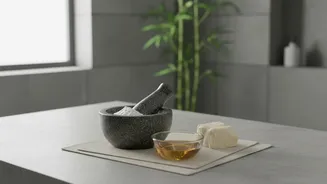
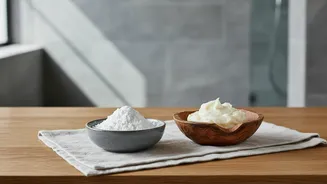
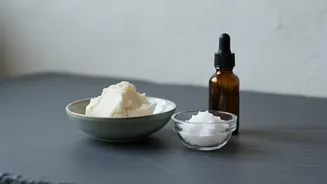
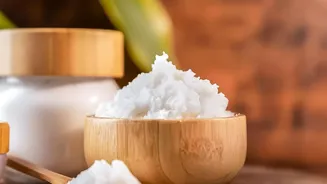
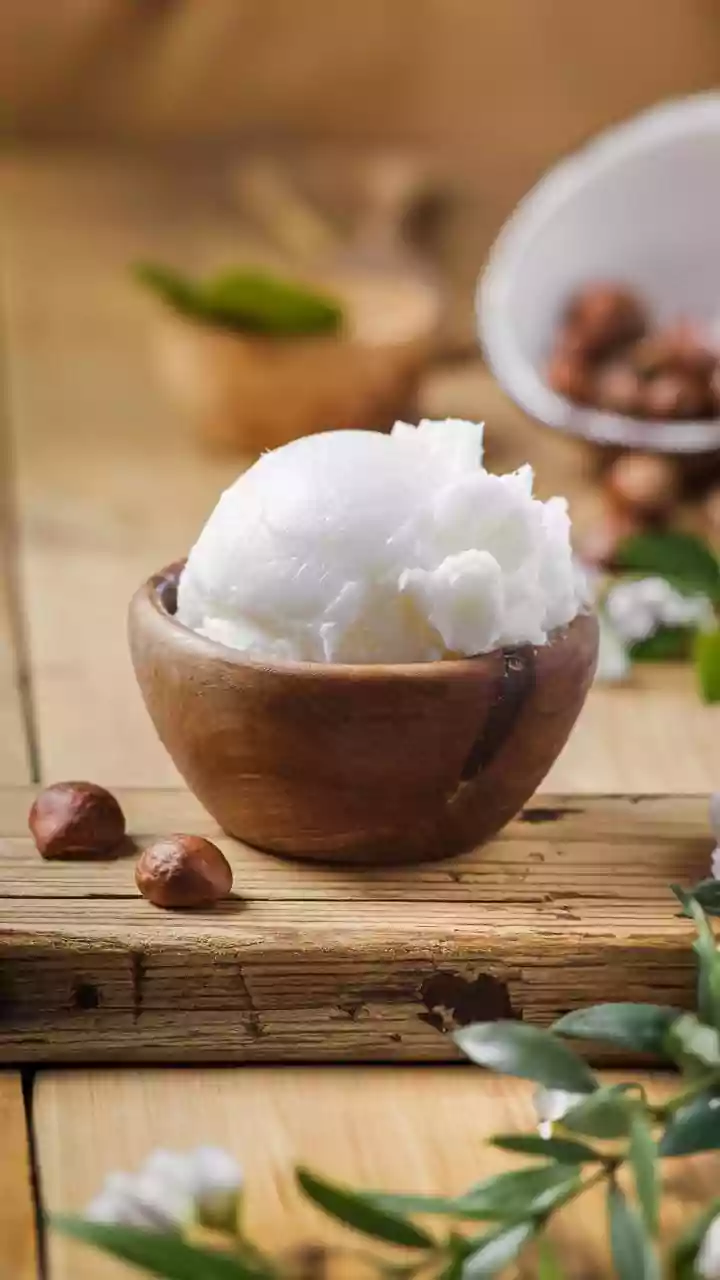
sunscreens can often feel heavy, greasy, or leave a white cast, making the idea of controlling every ingredient in a homemade concoction seem like the perfect solution. Common recipes call for natural-sounding ingredients like coconut oil, shea butter, essential oils, and zinc oxide powder. The appeal is clear: you get a product that feels good on the skin, avoids synthetic chemicals, and might even be cheaper to make. This sense of control and purity is a powerful draw, positioning DIY sunscreen as a clean, personalised alternative to mass-produced options.
The Myth: A Perfect, Natural Shield
The central myth of homemade sunscreen is that you can replicate the benefits of a commercial product without the perceived downsides. Recipes found online often claim to offer a specific Sun Protection Factor (SPF), leading makers to believe they are creating a safe and effective shield against UV rays. The logic seems sound: if zinc oxide is the active ingredient in many mineral sunscreens, why not just mix it into some skin-friendly oils at home? The resulting product often feels moisturising and lacks the tackiness of some store-bought formulas. This satisfying texture reinforces the belief that the product is not only superior in feel but also in function—a perfect, natural solution crafted in your own kitchen.
The Reality: Unstable and Unreliable Protection
Here's the hard truth: homemade sunscreen is dangerously unreliable. Dermatologists and skin cancer foundations universally advise against it. The primary issue is the complete lack of certainty about the SPF. You cannot measure SPF at home. Creating an effective sunscreen requires high-tech equipment to ensure the protective particles, like zinc oxide, are evenly dispersed. In a homemade mixture, these particles clump together, invisible to the naked eye, leaving large patches of your skin completely exposed to harmful UV radiation. Furthermore, DIY recipes do not undergo testing for broad-spectrum protection, which shields you from both UVB (burning) and UVA (ageing) rays. The formula itself is also unstable; oils can spoil, and the mixture can separate, rendering it useless. Using it provides a false sense of security that is far more dangerous than using no sunscreen at all, because you might stay in the sun longer, believing you are protected.
What the Experts Say
Regulatory bodies and dermatology associations are unequivocal: leave sunscreen manufacturing to the professionals. Commercial sunscreens are regulated as over-the-counter drugs in many countries, meaning they must undergo rigorous, standardised testing to verify their SPF value, water resistance, and broad-spectrum claims. This process involves controlled laboratory tests on human volunteers to ensure the product is both safe and effective. An expert from The Skin Cancer Foundation states that homemade formulations have no science behind them and can be dangerous to use, as the natural oils often included offer little to no real UV protection. The American Academy of Dermatology also warns that most homemade sunscreens provide insufficient UV protection, leaving users vulnerable to sunburn, premature skin ageing, and skin cancer.
Safe and Light Alternatives for Oily Skin
Thankfully, giving up on DIY doesn't mean you have to settle for a greasy, pore-clogging sunscreen. The beauty market has evolved, and there are now countless options specifically formulated for oily and acne-prone skin that are available in India. When shopping, look for labels that say "gel-based," "fluid," "oil-free," and "non-comedogenic" (meaning it won't clog pores). Aim for a product with at least SPF 30, and ideally SPF 50, with a PA++++ rating, which indicates the highest level of UVA protection. Many modern sunscreens for oily skin offer a matte finish and absorb quickly without leaving a white cast. Some even contain beneficial ingredients like niacinamide to help regulate oil production throughout the day. Exploring these professionally formulated, tested, and regulated products is the only safe way to get the lightweight feel you want with the certified protection you need.