



More Than Just a Pretty Picture
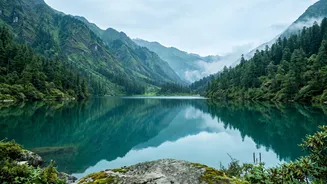
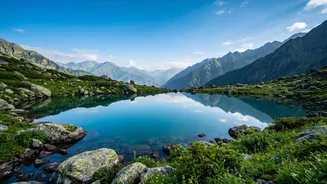
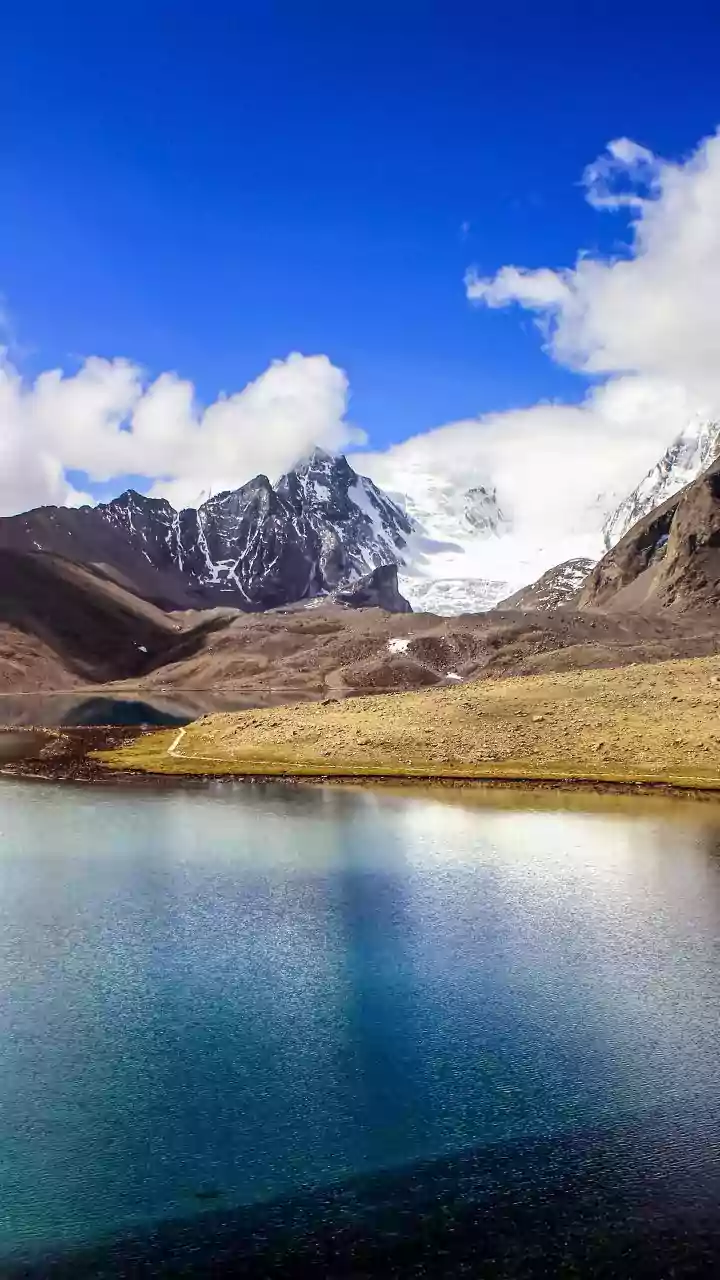
Lakes in Northeast India are not merely scenic spots for a good photo; they are the lifeblood of the region. Many, like Loktak Lake in Manipur, are crucial for the local economy, supporting livelihoods through fishing and agriculture. Others, such as Gurudongmar
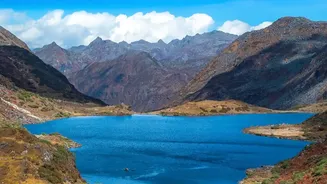
and Tsomgo lakes in Sikkim, are deeply sacred sites, woven into the spiritual fabric of local Buddhist and other communities. These high-altitude water bodies are also vital biodiversity hotspots, providing habitats for unique flora and fauna, including the endangered red panda and various migratory birds. This ecological and cultural significance makes their preservation a matter of both environmental and social importance, extending far beyond their roles as tourist destinations.
The Double-Edged Sword of Tourism
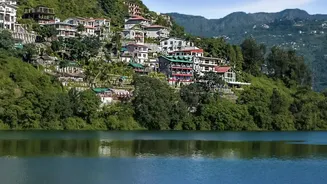
The surge in tourism has brought undeniable economic benefits, creating jobs and supporting local businesses from small shops to tour operators. However, this influx comes at a cost. Unregulated tourism often leads to severe pollution, with plastic bottles, food wrappers, and other waste threatening to choke these pristine water bodies. The ecological balance is delicate; increased human activity can disrupt wildlife, damage fragile vegetation, and pollute the very water that local communities depend on. The challenge, therefore, is not to stop tourism, but to manage it in a way that provides economic opportunity without sacrificing the environmental health of these irreplaceable natural assets.
Sikkim’s Community-Led Success Story
Tsomgo Lake in Sikkim offers a powerful example of how this balance can be struck. Once plagued by pollution from its popularity, the lake has seen a significant recovery. This turnaround was driven by a collaboration between the state government and local communities. In 2008, the Tsomgo Pokhri Sanrakshan Samiti (TPSS), a lake conservation committee, was formed by residents of the surrounding villages. This committee, comprising members from local households, took charge of managing waste, relocating shops away from the shoreline, and conducting awareness campaigns. They collect a nominal conservation fee from tourists, which funds clean-up drives and waste management systems, proving that community ownership is a key ingredient in successful conservation.
Rules Rooted in Respect
In many parts of the Northeast, conservation rules are not just bureaucratic regulations; they are expressions of deep-rooted cultural and spiritual respect. At high-altitude sacred lakes like Gurudongmar in Sikkim or the recently protected Gonkhar La in Arunachal Pradesh, visitors are explicitly forbidden from swimming, washing, or even dipping their feet in the water. These rules are in place to honour the spiritual significance of the sites. Similarly, strict guidelines on waste disposal, bans on plastic, and instructions to stay on marked trails are common. Tourists are also required to obtain permits like the Protected Area Permit (PAP) for many of these sensitive border areas, which helps regulate visitor numbers and ensures accountability.
A Partnership for Preservation
The future of Northeast India's stunning lakes depends on a conscious partnership between visitors and local communities. While authorities and conservation committees create the framework, the responsibility ultimately falls on every tourist to follow the rules. This means carrying out what you carry in, using designated bins, respecting sacred traditions, and following the guidance of local operators. It involves understanding that 'no plastic' signs or fees for conservation are not inconveniences but essential measures to protect a shared heritage. By travelling with awareness and respect, visitors can transition from being passive consumers of scenery to active participants in its preservation.