






A Once-in-a-Generation Marvel
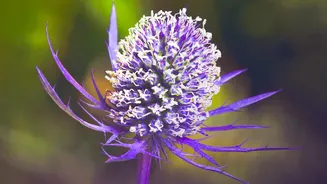
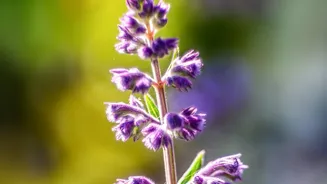
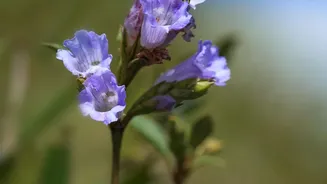
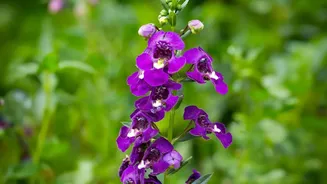
The Neelakurinji, or Strobilanthes kunthiana, is not just any flower. It's a botanical wonder endemic to the shola forests of the Western Ghats. Its claim to fame is its highly synchronized blooming cycle: the shrub flowers gregariously just once every
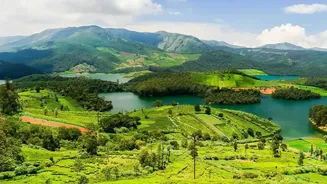
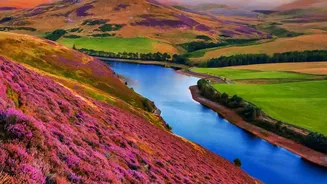
12 years before setting seed and dying. This mass flowering transforms entire mountain slopes into a vibrant purple-blue carpet, a phenomenon so striking that it gave the Nilgiri Mountains—literally, the Blue Mountains—their name. The last major bloom occurred in 2018, with the next one anticipated around 2030, making every flowering season a precious, must-see event for nature lovers across the country.
The Threat of Human Touch
Unfortunately, the flower's fame has also become its greatest threat. Past blooming seasons have seen a massive influx of tourists, many of whom, in their excitement, cause irreversible damage. Incidents of visitors trampling over the delicate shrubs, plucking flowers for souvenirs or selfies, and leaving behind plastic waste have become rampant. This behaviour doesn't just spoil the view; it critically endangers the plant's life cycle. Neelakurinji is a monocarpic plant, meaning it flowers, seeds once, and then dies. Plucking the flowers or damaging the plant prevents it from producing seeds, which are essential for the next generation to sprout and continue the 12-year cycle.
New Rules and Hefty Fines
Recognizing the severe threat, authorities have stepped up protection. The Ministry of Environment, Forest and Climate Change has listed Neelakurinji under Schedule III of the Wildlife (Protection) Act, 1972, officially marking it as a protected plant. In response, the Nilgiris district administration and Forest Department have issued stern warnings. Anyone caught plucking, uprooting, or destroying Neelakurinji plants faces a fine of up to ₹25,000 and imprisonment for up to three years. Forest officials have been deployed in blooming areas to enforce these rules, guide visitors, and prevent trespassing into ecologically sensitive zones.
More Than Just a Pretty Flower
The conservation of Neelakurinji is about more than just preserving a beautiful sight. The plant is an indicator species for the health of the shola grasslands ecosystem in the Western Ghats, a UNESCO World Heritage Site. Its root system helps prevent soil erosion on steep slopes. During a bloom, the flowers attract droves of honeybees, leading to the production of 'Kurinjithen', a rare and valued honey. For local indigenous communities like the Paliyan and Toda tribes, the flower holds deep cultural significance, historically used to mark festivals and even calculate their age.
How to Be a Responsible Visitor
Witnessing a Neelakurinji bloom is a privilege, and enjoying it responsibly is a duty. Forest departments in both Tamil Nadu and Kerala have issued clear guidelines for tourists. The foremost rule is to not pluck the flowers or damage the plants in any way. Visitors are urged to stick to designated pathways, avoid trampling the flowerbeds, and refrain from leaving any litter behind. Given that many blooming sites are also wildlife corridors frequented by animals like elephants, authorities often restrict access to certain areas for the safety of both visitors and wildlife. Always follow the instructions of local forest guards and respect the cordoned-off areas to ensure this natural wonder can be enjoyed by generations to come.