




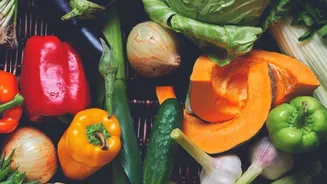
Understanding the Price Pinch
Across the country, households are grappling with a sharp rise in vegetable prices. Key staples in Indian cooking, particularly tomatoes and onions, have seen significant price jumps in June and July 2026. According to recent reports, factors like intense
summer heat, El Niño conditions, and a delayed, uneven monsoon have disrupted crop cycles and strained supply chains. This has led to lower-than-usual arrivals at local mandis, pushing retail prices up. In some areas, tomato prices have nearly doubled, while onion prices have climbed by as much as 25% in the last two months alone, putting a significant strain on household budgets.
Swap This: Pricey Tomatoes
When tomatoes become a luxury, it's time to get creative. Their primary role in many Indian dishes is to provide a tangy, slightly sweet, and umami base, along with a thick, rich gravy. Thankfully, other ingredients can step in. For that essential tang, aamchur (dry mango powder), tamarind paste, or even a splash of vinegar can work wonders. When it comes to building body in a curry, look no further than pumpkin (kaddu). When cooked down, pumpkin becomes creamy and can mimic the texture of a tomato-based masala. Its natural sweetness balances the spices beautifully. You can also use a paste of soaked cashews or a little bit of yoghurt to achieve a similar rich consistency in your gravies.
For That: Versatile Pumpkin
Pumpkin is a nutritional powerhouse and an incredibly versatile vegetable in Indian cooking. It is rich in Vitamin A and cooks quickly, making it ideal for everyday meals. You can use grated or puréed pumpkin to thicken dals and curries, adding a subtle sweetness and a beautiful colour. For a simple sabzi, cubed pumpkin can be stir-fried with basic spices for a quick side dish that pairs well with rotis or rice. You can even incorporate it into paratha dough or dosa batter for an extra dose of vegetables. Nutritionally, while tomato paste is richer in certain vitamins and minerals like Vitamin C and iron, pumpkin is significantly higher in Vitamin A.
Swap This: Expensive Leafy Greens
The prices of leafy vegetables can be particularly volatile, showing sharp spikes in a single day due to supply issues. If your usual spinach or methi is looking too expensive, consider other green options. Cabbage is a fantastic and often cheaper alternative to lettuce or even spinach in certain dishes. Finely shredded cabbage can be used in salads or lightly sautéed for a simple stir-fry. Don't forget the stems of coriander (dhaniya) which taste very similar to parsley and can be used as a garnish. Exploring different local and seasonal greens can also lead to delicious discoveries and savings. Radish greens, for instance, are often discarded but can be cooked into a delicious and nutritious bhurji.
For That: Humble Cabbage and Radish Greens
Cabbage belongs to the same cruciferous family as pricier options like kale and broccoli, offering many of the same health benefits, including being rich in vitamins and fibre. It's incredibly versatile and can be used in everything from sabzis and salads to parathas. Radish greens (mooli ke patte) are another excellent, often-overlooked option. They are packed with nutrients and can be prepared in a similar way to other leafy greens like spinach. A simple preparation involves stir-frying them with garlic, chillies, and a few spices. This not only prevents food waste but also introduces a new, flavourful dish to your table while keeping costs down.
Swap This: Zucchini and Broccoli
Exotic or imported vegetables like zucchini and broccoli often come with a higher price tag. When budgets are tight, it's wise to swap them for their equally nutritious and more affordable Indian counterparts. Bottle gourd (doodhi or lauki) is an excellent substitute for zucchini. It has a similar texture when cooked and readily absorbs the flavours of the spices it's cooked with. Instead of broccoli, consider cauliflower (gobi). While cauliflower prices have also seen some fluctuation, it generally remains a more budget-friendly option than broccoli in Indian markets.
For That: Bottle Gourd and Cauliflower
Bottle gourd is low in calories and has high water content, making it a light and healthy addition to any meal. It can be used in dals, kofta curries, or a simple sabzi. Cauliflower is another versatile vegetable that can be used in a variety of dishes, from the classic Aloo Gobi to gobi manchurian. Both vegetables are readily available, familiar to the Indian palate, and can help you create delicious meals without stretching your budget. They are also packed with essential nutrients, ensuring that you don't have to compromise on health even when you're being mindful of your expenses.