





A Key Test in Outer Space
The critical information comes from the Axiom Mission 4 (Ax-4), a private spaceflight that traveled to the International Space Station in 2025. Onboard was Indian Air Force pilot Shubhanshu Shukla, who became the second Indian to travel to space. But
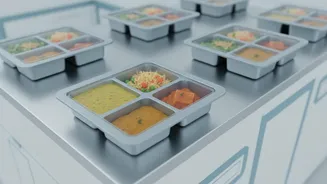
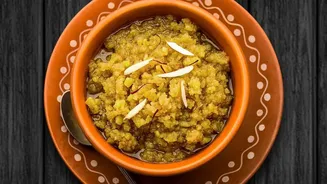
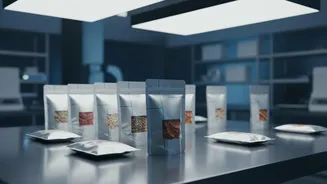
he didn't just carry the nation's aspirations; he also carried a curated menu of Indian foods specially developed by the Mysuru-based Defence Food Research Laboratory (DFRL), a wing of the DRDO. The mission provided a perfect real-world laboratory to test how these food products performed in a microgravity environment, a vital step before they are approved for India's own Gaganyaan mission. The menu for Ax-4 included familiar tastes of home, such as hesaru bele halwa and khichdi, designed to provide comfort and nutrition far from Earth.
From Astronaut Feedback to Scientific Data
When scientists talk about using 'data' from the mission, they mean a range of valuable insights gathered during Shukla's time in orbit. This includes direct feedback from the astronaut on the taste, texture, and ease of consuming the meals. In space, senses like taste and smell are altered, so what works on Earth may not be palatable in orbit. The data also covers the technical performance of the packaging, such as how well the ready-to-eat pouches and rehydration systems worked in zero gravity. Furthermore, scientists are analysing the physiological effects on the astronaut, studying how the specialised diet supported his health and energy levels. This information is crucial for optimising the nutritional profile of the food for longer missions.
Inside the Defence Food Research Lab
For decades, the DFRL in Mysuru has been a pioneer in food science, initially developing meals for Indian soldiers serving in extreme conditions like Siachen. The lab has adapted this expertise for the final frontier. The challenge is immense: space food must be lightweight, compact, highly nutritious, and have a shelf life of over a year. It must also produce very few crumbs, as floating particles can damage sensitive spacecraft equipment. To achieve this, DFRL scientists use advanced techniques like retort processing (a form of pressure cooking to sterilize food) and freeze-drying, which removes moisture while locking in flavour and nutrients. This ensures that dishes like vegetable biryani and dal retain their essential character even after months in a pouch.
Crafting the Gaganyaan Menu
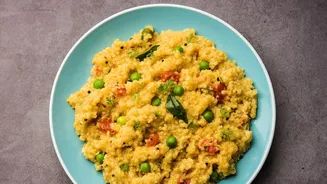
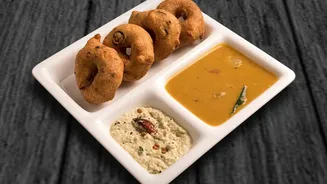
The insights from the Ax-4 mission are now directly influencing the final menu for the Gaganyaan crew. DRDO has developed a menu of over 70 items, offering a taste of home to maintain the astronauts' morale. The list includes breakfast items like idli and upma, lunches of chicken biryani and vegetable pulav, and dinners with chapatis and vegetable korma. There are also snacks like chikki and powdered juices. Each item has been carefully selected and modified based on astronaut feedback and technical constraints. For example, crumbly foods like regular bread are off the menu, while specially formulated rolls are included. The goal is to provide a balanced, appealing, and safe diet that caters to Indian palates.
More Than Just a Meal
Developing a domestic space food program is about more than just culinary science; it is a declaration of strategic self-reliance. As India solidifies its position as a major spacefaring nation, the ability to support every aspect of human spaceflight in-house is critical. Having a custom menu, tested and validated by an Indian astronaut on an international mission, ensures that the Gaganyaan crew will be well-fed and psychologically comfortable. It eliminates the need to rely on foreign space agencies for astronaut nutrition. This work by DRDO's food scientists represents a quiet but essential pillar supporting India’s ambitious dreams, ensuring that when Indian astronauts look down at Earth from orbit, they can enjoy a comforting meal that is truly their own.