





The Purple Wave Arriving in India
If you’ve noticed a surge of pastel-violet drinks on menus and Instagram stories, you’re witnessing the arrival of a major global food trend. Ube (pronounced oo-beh), a purple yam native to the Philippines, is rapidly gaining popularity in India. Google
Trends data shows that searches for ube in India surged in 2026, hitting an all-time high in August as consumers grew curious about this colourful ingredient. Major chains like Starbucks and Third Wave Coffee, alongside independent cafes in cities like Mumbai, Delhi, Hyderabad, and Bengaluru, are adding ube to their menus, betting that its unique appeal is here to stay.
So, What Exactly Is Ube?
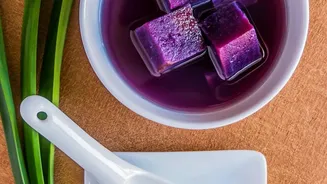
Ube is a species of yam, botanically known as Dioscorea alata. For centuries, it has been a beloved staple in Filipino cuisine, especially in desserts. Its most famous traditional preparation is 'ube halaya', a sweet jam made from boiled and mashed purple yam. What makes ube special is its naturally deep-violet flesh, which retains its colour when cooked. It's important not to confuse it with taro, another root vegetable that is sometimes purple-hued. Taro has a paler, often whitish flesh with purple specks, and its flavour is much earthier and starchier. Ube, in contrast, is known for its distinctly sweet, creamy, and nutty flavour profile, with many describing it as having notes of vanilla, coconut, or even white chocolate and pistachio.
Why is it Trending Now?
Ube's sudden rise in India is driven by a perfect storm of factors. First and foremost is its visual appeal. In a café culture where aesthetics are key, ube's brilliant purple is made for the internet. More than 60% of Gen Z and Millennial consumers use social media to discover new food products, making ube's 'Instagrammable' nature a huge asset. Second, its flavour is both intriguing and accessible. Unlike some trends that require an acquired taste, ube’s gentle sweetness and vanilla-like notes are immediately pleasing to a broad palate, blending well into lattes, milkshakes, and desserts. Finally, it carries a 'health halo'. Ube is a source of fibre, vitamins A and C, and antioxidants called anthocyanins, which are responsible for its purple colour and have been linked to various health benefits, including reduced inflammation.
How India is Consuming Ube
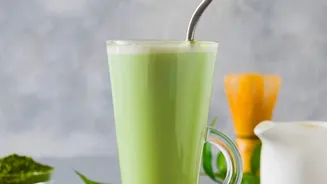
In India, the trend is most visible in beverage menus. Cafes are serving Iced Ube Lattes, Ube Matcha Blends, and Ube Smoothies. Starbucks introduced an Ube Coconut Latte, while chains like Coffee Island and Third Wave Coffee have launched entire ube-based drink ranges. The yam’s versatility extends beyond drinks. Creative chefs and bakers are incorporating it into cheesecakes, gelatos, and even French toast. While purple yam, known locally as ratalu or kand, has been used in some traditional Indian dishes like undhiyu, its modern application in sweet, café-style preparations is a new phenomenon driven by global trends.
A Fad or a Permanent Fixture?
While some trends burn brightly and fade quickly, many in the food industry believe ube has staying power. Its versatility is a major advantage, allowing it to be used in everything from drinks and desserts to breads and pastries. Some cafes are already treating it as a permanent menu addition rather than a seasonal special. However, its long-term success may face challenges. Booming global demand led the Philippines to suspend exports of fresh ube in mid-September 2026 to protect domestic supplies, which could create sourcing difficulties for Indian businesses. For now, processed and frozen ube remain available for export, ensuring that the purple wave can continue. As Indian consumers continue to explore global flavours, ube seems well-positioned to become a lasting favourite rather than just a fleeting craze.